

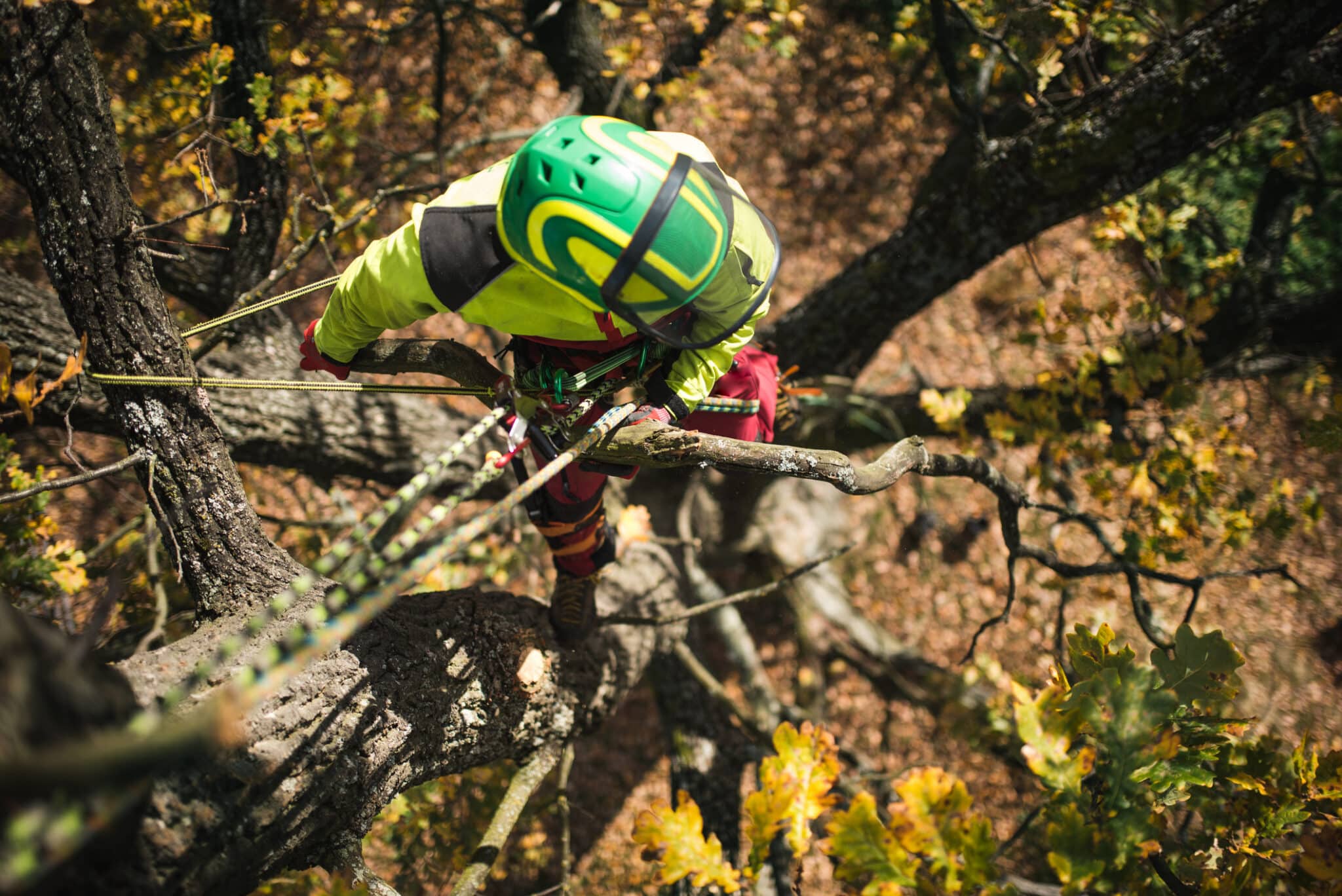
Branch Risk Mapping for Safer Work Zones
Key Takeaways About Branch Risk Mapping
Branch risk mapping is a visual process that ranks tree limbs by failure likelihood and fall path to guide safe pruning. This guide helps homeowners and crews prioritize cuts when limbs threaten roofs, driveways, or common walkways.
- Identify limbs with decay cracks and compromised attachment points.
- Prevent unexpected swings by sequencing cuts to release tension safely.
- Avoid property damage by noting drop zones before any removal.
- Spot subtle warning signs like new creaks movement or fungal fruiting.
- Reduce emergency rigging needs with staged reductions and rope control.
- Plan work roles escape paths and exclusion zones before cutting begins.
Introduction
Pruning crews face a clear danger when high-risk limbs hide weight, decay, or poor attachment points above work zones. A single misjudged cut can send a large limb toward a crew member, a house, or a parked car. Homeowners see the same risks near roofs, driveways, and walkways every season. In Arlington, TX properties with mature trees need careful planning before any cut begins.
Branch risk mapping helps crews spot the limbs most likely to fail and plan the order of cuts to reduce hazards. The problem is not only which limb to remove but which to cut first to prevent swing, roll, or unexpected fall paths. Bystanders and nearby structures get exposed when crews work without a clear sequence. For example, a limb under tension can snap unpredictably and travel far from the tree base.
Visible signs like split bark, fungal fruiting bodies, or heavy lean point to higher risk, but those cues do not tell the whole story. A pro combines visual checks with simple diagnostic steps to confirm which branches need priority attention. That confirmation protects crews, homeowners, and passersby during active pruning. Properties in Weatherford, TX with older shade trees can show these same warning signs.
Safe pruning depends on identifying failure modes and then cutting in an order that controls the downhill and sideways energy from falling limbs. Sequencing trims reduces the need for emergency rigging and lowers the chance of property damage. If you notice large dead branches or decayed forks near a house, call a professional to assess the risk. A careful plan before any cut keeps people and property out of harm’s way.
What Branch Risk Mapping Means For Homeowners
Branch risk mapping is the process of locating and ranking tree limbs by their likelihood to fail and cause harm. For homeowners, it turns a vague worry into a clear list of priorities that crews can act on. A common question is whether every dead limb must be removed now, the answer depends on location, size, and failure probability. Mapping helps homeowners understand which cuts protect roofs, driveways, and people first.
- Shows which limbs sit over high-use areas.
- Identifies limbs with decay or crack patterns.
- Highlights tensioned or compressed branches.
- Guides safe cutting order for crews.
The map also communicates risk to non-experts so homeowners can decide about temporary access restrictions. It can note nearby targets such as vehicles or play areas that increase urgency for certain cuts. Professionals often pair mapping with photos and simple measurements to explain their recommendations. That documentation helps homeowners compare options and costs before work begins.
A practical benefit is clearer scheduling and sequencing for the crew on site, which reduces time spent improvising near structures. Mapping informs whether the crew needs rigging, additional hands, or heavy equipment for a particular limb. If you see a large limb rubbing the roofline, a mapped priority will show that limb near the top of the list. For properties in Arlington, TX this focused plan reduces the chance of accidental damage during pruning.
Homeowners should expect the map to include observable signs used in diagnoses, such as visible decay, included bark, and asymmetric crown weight. A professional will confirm these observations with closer inspection, tap testing, or targeted photos before recommending removal. If the map shows immediate threats near living spaces, schedule an assessment quickly and consider professional hazard limb trimming for complex cases. For long-term care, the map becomes a reference for future maintenance in Weatherford, TX.
How Branch Risk Mapping Works And Why It Happens
Branch risk mapping starts with a systematic walk-around that notes limb size, attachment type, and likely drop zones around the property. Technicians mark limbs that sit over targets like roofs, driveways, or high-traffic yards so crews can plan exclusion zones. They also record measurable features such as trunk diameter at the branch union and visible decay extent to support their prioritization. This factual record makes later decisions about sequencing clearer for both crew leaders and homeowners.
A pro will use simple diagnostic steps to confirm which limbs need immediate attention versus monitoring only. Tap testing with a mallet can reveal hollow sound versus solid wood, while close inspection checks for included bark or significant cambium loss. Photographs from multiple angles and notes on lean help estimate how a cut will change a branch’s center of mass and fall path. Those inspections guide whether rope rigging or staged cuts are required.
Once priorities are set, crews create a cutting sequence that controls energy and motion during removal to avoid collateral damage. The plan often references safe removal techniques like the three-cut method and where to place intermediate supports or ropes. Linking the sequence to observed measurements helps crews decide on intermediate cuts that reduce tension and prevent sudden falls. For complex cases homeowners in Weatherford, TX benefit from seeing the sequence before work starts.
During the final planning step, crews communicate roles, escape paths, and where equipment will sit during the job. A site sketch or annotated photo shows which branches go first and where people must stand clear of potential swing zones. The crew leader confirms that tools, ropes, and a clear retreat path are ready before any cut begins. For properties in Arlington, TX this preparation reduces surprises and protects nearby structures and passersby.

Common Causes Of High Risk Limbs On Trees
Decay often starts inside a limb where bark hides it, and that internal rot weakens attachment points over time. Inspectors look for soft wood, crumbly cavities, and fungal fruiting bodies near the union. Limbs with large diameter but little live wood left carry high collapse risk and need close attention. In Weatherford, TX this pattern shows up on older shade trees with recurring fungal issues.
Included bark and narrow branch collars form weak unions that split under wind or added weight. These unions transmit stress to the branch base and can separate suddenly during pruning. Professionals check the angle of attachment and look for bark wedging between stem tissues when diagnosing failure modes. A clear diagnosis helps decide if bracing, reduction, or removal is safest.
Storm damage and previous mechanical injury create cracks or partially detached limbs that fail unpredictably. Look for longitudinal splits, healed wounds, or scar tissue that indicate past trauma and reduced strength. Technicians will probe these areas and may use tap testing or close-up photos to confirm hollow sections. That confirmation guides whether a limb becomes an immediate priority in the risk map.
Excessive crown weight from poor pruning or dense foliage increases leverage at weak points and raises failure probability. Heavily loaded limbs over roofs or driveways pose more risk than similar limbs over open ground. When mapping, crews note mass distribution and calculate which cuts must occur first to reduce swing or rolling hazards. Homeowners in Arlington, TX often need reduction cuts to rebalance crowns near structures.
Root decline and trunk decay shift load paths and transfer stress to peripheral limbs that appear healthy but actually carry extra burden. Inspectors examine root collars, surface roots, and trunk cavities for signs that branches might compensate for lost support. Confirming root or trunk issues may require photographic records and repeat observations over time. This diagnosis then elevates certain limbs on the branch risk mapping list for prioritized removal.
Recognizing Warning Signs Before Pruning Becomes Urgent
Begin watching for subtle movement in large limbs when you pass beneath them, small shifts often precede failure and warn of hidden decay. Listen for creaks during windy periods since new or louder sounds can signal changing stress at a union. Note sudden increases in woodpecker activity or clustered fruiting bodies on one limb as these indicate localized problems. If you see bark seams opening, keep people and cars out of the potential drop zone until a pro inspects the limb.
- Look for fresh cracks in the bark near major unions.
- Watch for sagging or new lean in heavy limbs.
- Check for recent crown thinning on one side.
- Notice any sudden dieback of branch tips.
When branches show internal decline without obvious external decay, a technician will use tap testing and probe inspection to confirm hollow sections. They may also photograph suspect areas and compare images over weeks to see progression before scheduling urgent cuts. Professionals inspect branch unions, measure diameter, and assess target exposure to rank urgency on a risk map. This diagnostic work helps avoid unnecessary removals while focusing on limbs that threaten roofs or high-use spaces.
Homeowners often report sounds like sudden snaps or visible chips on sidewalks after storms, which signals shifting risk even without a full break. A pro will check for tensioned branches and verify whether a reduction cut or staged removal reduces hazard most effectively. For complicated weight imbalance cases, crews may recommend branch weight balancing techniques to shift load before major cuts. That option can lower immediate risk while preserving tree structure when removal is avoidable.
If you spot multiple warning signs near a house or driveway, restrict access and document symptoms with photos for a professional assessment. Scheduling a timely evaluation in Arlington, TX lets crews plan safe sequences and prepare any necessary rigging for high-risk limbs. In Weatherford, TX properties, documenting visible changes helps technicians prioritize work on their branch risk mapping list. For safety and clarity, keep records of what you saw and when before contractors arrive.
Prioritizing Cuts And Sequencing For Safer Work Zones
Start by marking the highest-risk limbs that sit over targets and those that carry tension or compression before any cutting. Crews then assign a numeric priority to each marked limb so the team follows a fixed sequence during work. This prioritization reduces on-the-fly decisions that can create unexpected drop paths and endanger people or property. Homeowners benefit when the team explains which cuts protect roofs and where exclusion zones will be enforced.
Next, crews plan cuts that progressively release stored energy instead of making one large removal that could swing or roll. They often make small relief cuts or partial reductions to lower weight and change load direction before the final cut. Where needed, rope control or intermediate rigging slows limb descent and prevents contact with nearby structures. If a limb requires thinning rather than full removal, a crew may recommend branch thinning to reduce mass safely over time.
Sequencing also assigns clear roles: who controls ropes, who makes the secure cuts, and who watches exclusion zones and escape paths. The crew leader confirms escape routes and a spotter monitors bystanders throughout the job to reduce surprise exposures. Technicians track progress against the branch risk mapping priorities and adjust sequence when unexpected decay or shifting tension appears. This disciplined workflow lowers the chance of needing emergency rigging or causing property damage.
A professional diagnosis follows observable cues such as longitudinal splits or sudden change in crown balance to confirm priority changes on site. Inspectors may use tap testing, measurements of branch diameter, and close-up photos to decide if an alternate cut sequence is safer. For Weatherford, TX properties with constrained yards, sequencing often adds extra intermediate cuts to control fall direction near houses. In Arlington, TX jobs that border driveways typically start with limbs over traffic paths to protect vehicles and people.
When Homeowners Should Call A Professional Service
If a homeowner notices large limbs directly over living spaces or utility lines, call a professional. A technician will perform a targeted inspection that includes tap testing and close-up photos to confirm internal decay. They will also check attachment angles and measure branch diameter to decide if immediate action is necessary. Do not attempt high or tensioned removals without trained rigging and safety equipment.
Professionals can advise when a smaller homeowner cut might suffice versus full removal requiring a crew and ropes. Expect the pro to outline a safe sequence and required controls, such as rope-secured drops or intermediate reductions. They will document findings and recommend timing for work that minimizes risk to people and property. This documentation can help you plan around schedules and access restrictions.
Call a service promptly if you observe fresh cracks, sudden leaning toward structures, or increasing creaks during wind events. The team will confirm danger by inspecting union collars, probing suspect cavities, and photographing potential failure points for a written recommendation. For high-tension limbs, they may use temporary techniques like partial weight relief to make later cuts safer. Learn more about controlled reductions through professional methods such as branch weight relief when specialists suggest them.
Homes with constrained yards or many nearby targets should prioritize professional assessment before any pruning work begins. The crew assesses drop zones, escape paths, and whether additional personnel or equipment will be necessary for safe sequencing. If utility contact or complicated rigging appears likely, contacting a licensed arborist or tree service is the prudent next step. Prompt professional involvement reduces the chance of injury and structural damage during removal.
When storms or impact events create new cracks or hanging branches, arrange a post-event inspection as soon as possible to reassess risks. A technician will check for shifted loads, hidden trunk damage, and compromised unions that change the original plan. They may recommend temporary exclusion of affected areas until full mitigation occurs. Scheduling a professional inspection ensures decisions rest on verified observations rather than guesswork.

Preventive Maintenance Strategies To Reduce Future Risks
Regularly scheduled inspections help catch new risk patterns before they force emergency removals, reducing long-term costs and hazards. A maintenance plan should set inspection intervals based on tree species, age, and nearby targets rather than fixed dates. Technicians typically document each visit with photos and short notes to track changes over seasons and guide future decisions. Homeowners in Arlington, TX can use those records to plan safe access and storage changes around vulnerable trees.
- Set inspections after major storms.
- Note changes in branch sound or movement.
- Document any new fungal growth.
- Record limb diameters near structures.
- Schedule pruning before growth becomes heavy.
Targeted reductions and selective thinning lower mass on critical limbs without removing whole branches unnecessarily. A crew may use controlled techniques such as skyline windowing where selective openings reduce wind load and preserve tree form. These methods redirect stress away from weak unions and lessen the chance of sudden failure during storms. For many properties, light annual reductions avoid large risky cuts later.
Maintain clear exclusion zones under high-risk limbs by relocating play areas, vehicles, and storage away from mapped drop paths. Posting temporary markers and informing household members keeps bystanders out during windy periods and scheduled work. When work is planned, professionals will confirm access for equipment and safe retreat routes before any removal begins. In Weatherford, TX yards with frequent foot traffic benefit from simple barriers and signage between inspections.
Using Branch Risk Mapping During Emergency Response
In emergency response, branch risk mapping becomes a quick reference to guide crews under time pressure. Teams use the map to set immediate exclusion zones and assign roles before any cutting begins. A clear map helps decide whether a holdback line, rope control, or crane support is necessary right away. This rapid planning reduces the chance of making a cut that creates a new hazard for bystanders or property.
Responders confirm priorities with short diagnostic checks like visual union inspection, basic tap testing, and diameter measurement at the branch collar. They photograph critical limbs and mark likely drop paths on the map for the crew to follow. These simple checks let crews choose between emergency reduction cuts and staged removals that use rope control. If internal decay or a compromised co-dominant structure appears likely, specialists may recommend mitigation options immediately.
When codominant stems or weak unions drive urgency, crews may apply temporary measures documented on the map and plan for later stabilization work. Professionals often note these conditions and link recommendations to longer-term fixes like codominant mitigation to prevent repeat emergencies. Temporary rigging can lower immediate risk while scheduling a comprehensive mitigation or removal. Homeowners should understand that emergency actions prioritize safety over aesthetic outcomes.
Emergency branch risk mapping also guides communication with homeowners and any on-site occupants to restrict access and explain next steps. Crews record diagnostics and decisions on the map so follow-up crews review what was done and why. For properties in Arlington, TX this record helps schedule subsequent stabilization or full removals under calmer conditions. Keeping a short, dated map reduces confusion and speeds safer restoration work after the emergency.
Frequently Asked Questions
What is branch risk mapping and why does it matter?
Branch risk mapping is a visual plan that marks high-risk limbs, fall paths, and priority cuts before pruning begins. It helps crews sequence trims to reduce unexpected loads and protect property and bystanders. Mapping reveals hazards like deadwood, cracked crotches, and limbs over structures that increase collapse risk, so use caution. For medium or high-risk trees, hire a professional arborist to confirm the map and perform the work safely.
How do crews rank limbs for removal using branch risk mapping?
Crews use branch risk mapping to score limbs by failure likelihood, target size, lean, and proximity to people or structures. They inspect visible decay, split crotches, bark loss, and root heave while noting audible cracks or sap flow. High-score limbs get priority removal and sequencing to protect crews, property, and bystanders during pruning. If any limb shows imminent failure, stop work, cordon the area, and call a professional for safe removal.
Which warning signs show a limb needs immediate attention?
Look for large cracks, exposed wood, or splitting along the limb where it meets the trunk or a major scaffold. Dead or hanging branches with brittle leaves or lots of broken twigs indicate impending failure and require prompt attention. Leaning limbs that have shifted after storms or that press against roofs, power lines, or fences raise clear safety concerns, exercise caution and keep people away. For high-risk limbs, use branch risk mapping to document hazards and contact a professional arborist or tree service to assess and remove them safely.
How does sequencing cuts reduce swing and property damage?
Sequencing cuts directs weight and tension so limbs fall predictably and away from crews, buildings, and vehicles. A clear plan from branch risk mapping helps teams choose which cuts relieve load first. Controlled sequencing reduces branch swing and limits rebound that causes property damage or injuries. If a limb carries large tension or is near structures, use a professional to assess and perform the cut safely.
When should I call a professional for high-risk limb work?
Call a professional when a limb overhangs structures, vehicles, power lines, or busy walkways and shows rot or large cracks. If branches are heavy, leaning, or attached to a weakened trunk, trained crews should assess and remove them. Use branch risk mapping results if available to prioritize unsafe limbs and keep crews and bystanders clear. Caution: do not attempt high-angle cuts or work near live wires, hire an experienced arborist for safety.