

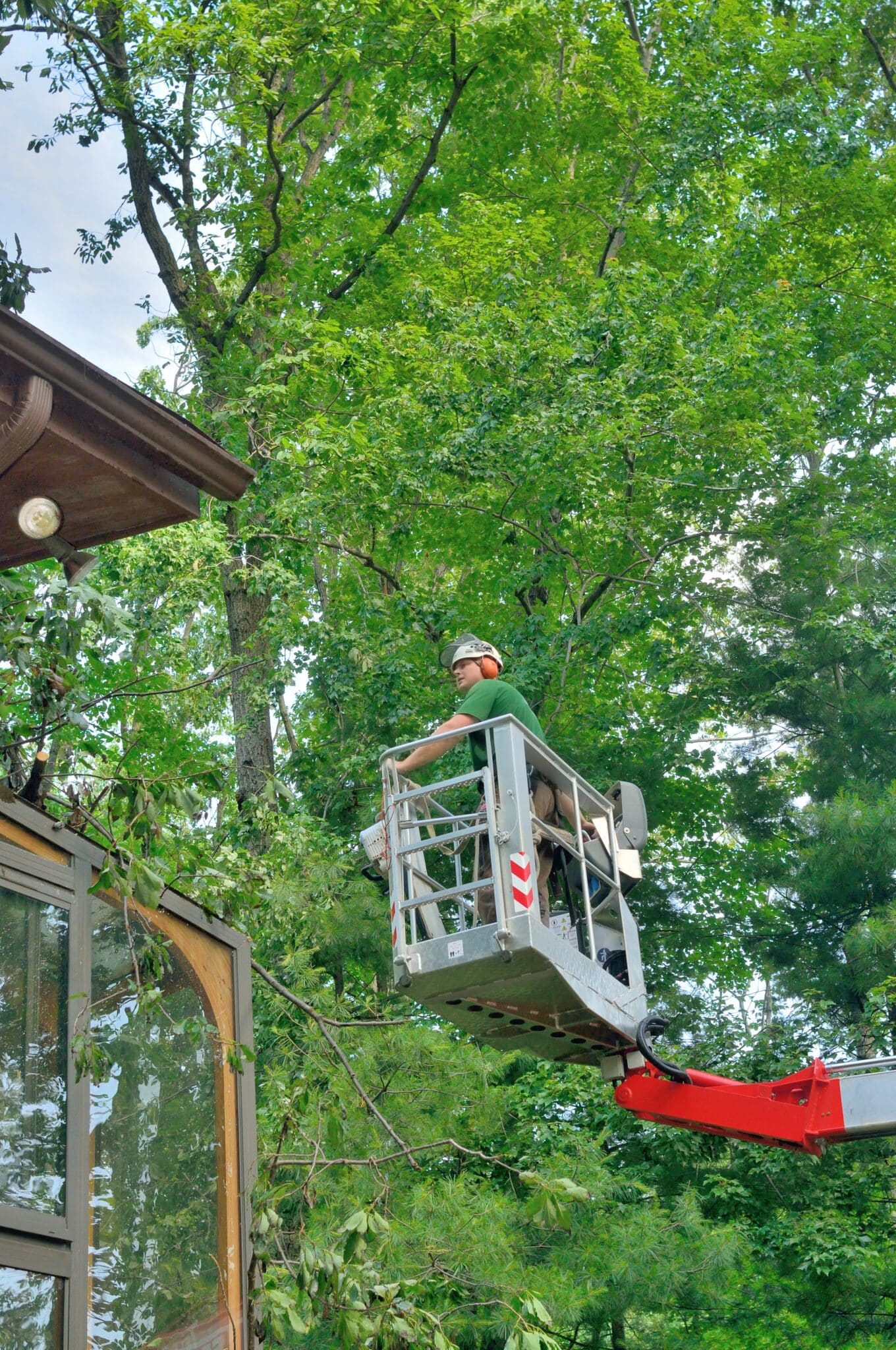
Crown Touch Up for Mature Trees Near Homes
Key Takeaways About Crown Touch Up
A crown touch up is light targeted pruning to tidy a mature tree’s form and improve clearance. This guidance is for homeowners and property managers when trees near homes show rubbing branches or reduced canopy health.
- Identify crossed and rubbing limbs that damage bark and structures.
- Prevent larger cuts later by removing small deadwood and competing shoots.
- Avoid unsafe climbing near power lines and call a professional when needed.
- Spot signs of decay such as fungal bodies soft wood and cavities.
- Reduce load on weak attachments with selective reduction and thinning cuts.
- Plan regular minor inspections and document changes with photos and notes.
Introduction
Light crown touch up focuses on small, targeted pruning to tidy a mature tree’s shape and remove crossing or crowded limbs. Homeowners notice uneven growth, low branches brushing roofs, or blocked light under canopies. Those issues create nuisance leaf drop and can accelerate decay where limbs rub. Addressing them early keeps trees balanced and reduces larger cuts later.
When branches hang too close to a roof or walkway they pose a physical clearance problem and a safety concern. Leaves and twigs on gutters or shingles often signal a need for corrective trimming. Crown touch up removes specific limbs to restore clearances without heavy canopy loss. That preserves shade while improving access for inspections and maintenance.
Proper touch up also directs energy into healthy parts of the tree and prevents poor regrowth patterns. Trees with crowded, competing limbs tend to form weak attachments and split during storms. A measured crown touch up promotes stronger scaffold structure and steadier future growth. This matters most for mature trees near homes where failure risk has higher consequences.
Inspectors assess visible signs like bark damage, narrow crotches, and rubbing branches to diagnose pruning needs. They look at crown density, branch spacing, and how limbs contact structures or utilities in the yard. For properties in Prosper, TX or Midlothian, TX these symptoms often prompt homeowners to act before problems worsen. If safety risks exist when work is needed, contact a professional for a safe, proper correction plan.

What Crown Touch Up Entails For Mature Trees
Crown touch up is light, targeted pruning that tidy branches, improve clearances, and guide healthy future growth. Technicians remove small deadwood and competing shoots to reduce rubbing and narrow crotches without cutting major limbs. A typical job preserves most of the canopy while correcting minor structural faults and clearing hazards near roofs. Homeowners often ask whether minor pruning can hurt a mature tree, and the short answer is that careful, limited cuts usually help long-term health.
- Remove small dead branches.
- Thin crowded areas for airflow.
- Prune rubbing or crossing limbs.
- Clear low branches near structures.
On-site, a professional starts with a visual assessment of the scaffold limbs and crown density. They may test branch attachment and look for decay pockets and bark abnormalities before pruning any limbs. Inspection often includes measuring branch-to-trunk angles and identifying weak unions that need selective reduction rather than removal. This diagnostic approach answers whether a full crown reduction is necessary or a simple touch up will suffice.
Work methods emphasize precise cuts, proper pruning wound location, and protecting the tree’s natural form during reduction. Climbers use hand saws or pole pruners and avoid large flush cuts that stress tissue and invite decay. A homeowner wondering about cleanup should expect trimmed material removal and a tidy site after work finishes. For an example of a light corrective program, see the company’s Arbor Crown Tune service details.
For mature trees near homes in Prosper, TX the focus often shifts to roof clearance and gutter protection without removing shade. In Midlothian, TX properties, inspectors may prioritize branch spacing and wind resistance for survival during storms. If the work involves climbing near power lines or large defective limbs, contact a professional because of medium safety risk. Clear communication about goals and follow-up checks keeps trees healthy and reduces the need for heavier pruning later.
Why Crown Failure Happens And When To Act
Structural failure often begins where wood decay undermines a key limb attachment, and symptoms may be subtle at first. Inspectors look for soft or discolored wood, sunken bark, and cavities that suggest internal decay. A professional may probe suspicious areas with a blunt tool and document hollow sounds with tapping tests to confirm loss of strength. Those simple checks help decide whether light corrective pruning will restore balance or if removal is safer.
Another common cause is poor branch architecture from past growth patterns that concentrate stress on narrow crotches or long lateral limbs. These weak unions may not show immediate damage but can split under wind or ice loading. A trained climber evaluates attachment angles and lever arm lengths to determine which limbs need reduction to lower failure risk. Where reduction is chosen, cuts follow scaffold pruning principles to preserve the remaining structure.
Storm damage and repeated bark injuries create localized weaknesses that progress into larger failures over time if left unchecked. Homeowners often notice increased twig litter after storms or a sudden change in branch sway, which merits an inspection. Professionals inspect the trunk flare, root collar area, and main scaffold connections for hidden issues that simple trimming can address. When appropriate, small corrective cuts improve load distribution and reduce future storm-related breaks.
Human-made stresses also contribute, such as compaction near roots, lawn mower wounds at the base, or repeated rope damage from swings and lights. These stresses reduce root support or bark integrity and raise the chance of crown failure near homes in Prosper, TX and Midlothian, TX. A technician will check soil condition, visible root damage, and previous wound patterns when diagnosing causes and recommending a crown touch up. For specific shaping approaches that preserve form while reducing risk, see the company’s crown shaping guidance.
Recognizing Early Warning Signs Around Homes
Watch for sudden changes in branch movement during wind that suggest a weakened attachment or hidden decay. Look for new cracks in bark or splits forming along a limb where the wood fibers separate. Increased twig or small branch litter under a crown, beyond normal seasonal drop, can signal progressive failure. A technician would note these observations and plan targeted checks to confirm structural risk.
Uneven leafing between sides of a tree often indicates a declining limb or root stress limiting water transport. Inspectors test this by comparing foliage density and using a moisture meter near the root zone for basic readings. Visible sap flow, discoloration, or fungal fruiting bodies on a trunk require prompt attention because they often pair with internal decay. These signs guide decisions on whether a light crown touch up can rebalance the tree safely.
Low branches rubbing on gutters, roofs, or siding create abrasion wounds and moisture traps that increase rot risk over time. Homeowners may also notice increased litter in gutters or unusual staining on siding from branch contact or leaf buildup. Simple corrective actions include selective pruning and scheduled crown raising to improve clearance and reduce damage. Professionals use those visible cues to decide precise cuts and to document where clearance improves safety near homes.
For example, a homeowner in Prosper, TX noticed one side of a maple thinning while the other side remained dense and healthy. An arborist would record photographs, probe suspected decay areas, and perform a branch-pull test to evaluate attachment strength. That diagnostic output helps determine if a light crown touch up or more extensive intervention is needed. If work involves overhead utilities or large defective limbs, contact a professional because the risk level increases.
Practical Steps Homeowners Can Safely Perform
Start by clearing workspace under the tree to remove tripping hazards and allow unobstructed access to low limbs. Wear protective gloves, eye protection, and a hard hat when cutting within reach of the crown. Use hand pruners for stems under one inch and a pruning saw for slightly larger limbs to keep cuts clean. If any cuts reach into large scaffold limbs or require climbing, stop and contact a professional to avoid medium safety risks.
- Remove small dead branches first.
- Thin branches that block walkways.
- Raise low limbs for roof clearance.
- Clean pruning tools between cuts.
Make pruning cuts at the branch collar, not flush with the trunk, to encourage proper wound closure and reduce decay. Remove crossing branches that rub each other to stop future bark damage and avoid creating large wounds. Limit removed live foliage to small percentages to prevent stress on a mature tree and preserve its photosynthetic capacity. When unsure about branch size or attachment quality, take photos and consult a professional for an informed plan.
Check for signs of hidden rot before pruning, such as soft bark, sawdust, or fungal fruiting bodies near wounds. A simple probe with a blunt tool around suspicious areas helps evaluate firmness and guides safe cutting decisions. Document observations with photos and notes to share with an arborist if the tree needs further assessment. For homeowners in Prosper, TX, recording these details speeds decisions when scheduling professional follow-up.
After pruning, tidy cut material from gutters and yards to prevent moisture traps and pest attraction around structures. Consider light crown cleaning annually to remove deadwood and maintain canopy airflow, see the company’s guidance on crown cleaning for healthier canopies for methods that match touch up goals. Monitor the tree over the following weeks for new sprouting, leaf discoloration, or unexpected decline. For properties in Midlothian, TX, prompt monitoring helps catch regeneration issues early so professionals can advise corrective steps.
When To Call A Professional Crown Touch Up Service
Call a professional when pruning decisions affect major scaffold limbs, roofline clearance, or nearby utilities that present medium safety risk. A technician will perform tests like a branch-pull, probe suspect wood, and measure end weight to decide appropriate cuts. Expect professionals to recommend targeted measures such as canopy thinning or selective reduction when load issues or decay appear. Prompt professional evaluation reduces the chance of emergency removals and limits damage to structures.
If you observe recurring splits, large wounds, or fungal fruiting bodies, contact a pro for a focused inspection and treatment plan. The crew documents findings with photos, notes, and simple measurements to support pruning recommendations. They may propose end-weight relief cuts on long laterals to reduce leverage on weak attachments. Homeowners in Prosper, TX often choose this approach when limbs threaten rooflines or gutters.
Arrange a professional visit whenever climbing or specialized rigging would be needed to remove defective limbs safely from above. Technicians use harness systems, hand saws, and controlled lowering to avoid damage to landscaping and nearby structures. A professional also advises on timing to minimize stress on the tree and to prevent excessive sprouting after cuts. For trees with heavy internal branching, canopy thinning services can improve airflow and reduce wind loads.
Ask for a written scope showing exactly which limbs will be reduced, removed, or monitored to ensure clear expectations and safety standards. The report often lists follow-up inspection dates and observable cues that should prompt additional attention. If the work intersects with power lines or shows severe decay, professionals will coordinate with the utility or recommend removal alternatives. For properties in Midlothian, TX this documented plan helps homeowners track tree response and long-term maintenance needs.
How Professionals Evaluate Tree Health And Structure
A professional begins by walking the entire dripline while noting canopy symmetry and trunk flare condition with photos for records. They then perform a hands-on inspection of scaffold attachments, checking for included bark and narrow crotches with a probe. Technicians evaluate leaf distribution and new growth patterns to identify suppressed or dominant limbs that affect long-term balance. This baseline inspection informs whether small selective removals or weight-reducing cuts suit the tree’s needs.
Next, crews perform targeted tests on suspect limbs using a branch-pull or visual load assessment to estimate attachment strength without invasive tools. They check for decay signs like spongy wood or fruiting bodies and may lightly tap cavities to judge hollowness. Inspectors also assess clearance issues relative to roofs and structures to ensure pruning will restore safe distances. For overhanging limbs that threaten property, professionals incorporate proven removal techniques from their overhang control practices.
Root and soil condition receive attention because support problems can mimic crown defects and increase failure risk near homes in Prosper, TX. Technicians examine visible roots, compaction, and signs of girdling roots that reduce water transport and anchorage. They often use a moisture meter or visual soil inspection to note dry or waterlogged areas that influence pruning decisions. These findings help decide if corrective crown work will succeed or if additional soil treatments are necessary.
After diagnostics, arborists outline a pruning plan that names specific limbs for reduction and notes follow-up monitoring dates with photographic evidence. The plan lists acceptance criteria such as improved branch spacing and restored roof clearance, and it specifies targeted cuts to minimize live-foliage loss. A written scope supports clear homeowner decisions and documents why a crown touch up is the chosen approach. If the tree shows advanced decay or risk, professionals will recommend more extensive measures or monitoring instead of minor touch up.
As part of evaluation, crews document expected outcomes and potential regrowth locations, advising on timing to reduce excessive sprouting after cuts. They record measurements and photo evidence to track recovery and to guide future maintenance visits in Midlothian, TX properties. Post-inspection notes include signs to watch for that would prompt sooner follow-up, like increased twig litter or new canopy asymmetry. That evidence-based approach helps homeowners understand the diagnosis and the rationale for recommended crown touch up actions.
Benefits Of Regular Crown Touch Up For Safety
Regular crown touch up reduces the chance that small defects become sudden hazards near homes by removing problem limbs before they fail. A focused program preserves key scaffold limbs while lowering wind and snow loads that increase breakage likelihood. Inspectors often find that modest annual trimming reduces emergency callouts and limits damage to roofs and vehicles. Homeowners in Prosper, TX who schedule periodic touch ups see clearer sightlines and fewer branch-related nuisances around structures.
- Removes small deadwood before it falls.
- Reduces weight on weak limb attachments.
- Improves clearance to roofs and gutters.
- Limits rubbing that leads to bark wounds.
Touch up pruning also improves predictable failure patterns by correcting minor asymmetry and long laterals that act as levers during storms. Professionals use targeted cuts to shift growth and reduce end weight instead of removing major limbs unnecessarily. This approach lowers the chance of unexpected splits that can threaten people and property. For roof and eave concerns, technicians may reference roofline clearance best practices when planning cuts and access.
Regular inspection and light pruning help maintain safe access for maintenance around utilities and walkways while keeping the canopy functional. A technician documents changes with photos and notes to compare condition over time and confirm risk reduction. Homeowners in Midlothian, TX benefit from this documented history when scheduling future maintenance or when selling a property. When work approaches medium or high risk, professionals recommend controlled removal and rigging to keep people and structures safe.
Preventing Future Problems With Routine Maintenance
Set a regular calendar for light inspections to catch small changes before they grow into larger structural problems. Inspect during the same seasons each year to compare notes and photos for emerging trends. Record simple measurements like branch length changes and clearance distances to roofs or walkways. This habit helps homeowners spot gradual shifts that might need a targeted crown touch up.
Include scheduled minor pruning focused on improving airflow and reducing crowded growth in specific canopy zones. A professional branch reduction or thinning program can be timed to limit vigorous sprouting after cuts and maintain form. For details on targeted thinning techniques that pair well with touch ups, consult the company’s branch thinning reference. Coordinated, small interventions preserve shade while lowering later intervention needs.
Monitor tree health indicators between visits, watching for declines in leaf color, early leaf drop, or unusual bark texture. If you notice fungal fruiting bodies or increased twig litter, document photos and contact an arborist for a follow-up inspection. Professionals use simple diagnostic checks like probing suspicious wood and performing branch-pull assessments to confirm if more work is needed. These diagnostics guide whether future touch ups will suffice or if escalation is required.
Adjust maintenance frequency based on species vigor, age, and site stressors such as root compaction or soil moisture changes. A written maintenance schedule with dates and performed actions helps track long-term stability and informs timing for repeat crown touch up. Homeowners in Prosper, TX and Midlothian, TX benefit when records support consistent, preventative care and reduce emergency interventions. Regular, modest maintenance remains the most practical way to prevent larger structural failures near homes.

Frequently Asked Questions
What is a crown touch up and when is it needed near homes?
A crown touch up is light corrective pruning that cleans dead branches, refines shape, and improves clearance around the house. It helps prevent rubbing limbs and reduces debris on roofs, gutters, and walkways. You should schedule work when crowns show crossing branches, excess interior growth, or branches within a few feet of structures. Because working near roofs and power lines carries risk, hire a professional arborist or qualified tree crew.
How does a light crown touch up protect roofs and gutters?
A light crown touch up removes small crossing and overhanging branches that scrape shingles and tear gutters during wind. Clearing limbs improves airflow and sunlight, which reduces moss and debris buildup on roof surfaces. Technicians inspect branch angles and decay to prevent hidden failures that could drop heavy limbs onto structures. If work requires climbing near power lines or large limbs, hire a professional to reduce safety risks.
What signs indicate a tree needs a crown touch up now?
Visible rubbing branches, crossed limbs, or a dense inner canopy reducing airflow are clear signs a crown touch up is needed soon.
Branches brushing roofs, gutters, or power lines show urgent clearance needs and increase risk to property.
Dieback, large dead branches, or sudden leaf loss can indicate decay that professionals should assess for safety.
If work requires climbing near structures or lines, exercise caution and hire a qualified arborist or tree service.
How do professionals diagnose which limbs to remove?
An arborist inspects the canopy visually and by touch to find dead, crossing, or rubbing limbs that hinder healthy growth. They check branch attachment, decay signs, and cavity depth using a hands-on probe and binoculars for high limbs. For a crown touch up they prioritize limbs affecting clearance, rooflines, and sightlines while preserving structural branches. If work looks risky, call a professional crew trained for aerial removals and follow safety recommendations.
How often should I schedule crown touch up for mature trees?
Most mature shade trees benefit from a crown touch up every 2 to 4 years depending on species and growth rate. Inspect annually for rubbing limbs, dead wood, or branches reducing roof clearance and note changes. If cuts are large, branches near power lines, or the tree leans, stop and call a professional for safety. A certified arborist can confirm timing after an inspection using measured crown spread and decay observations.