

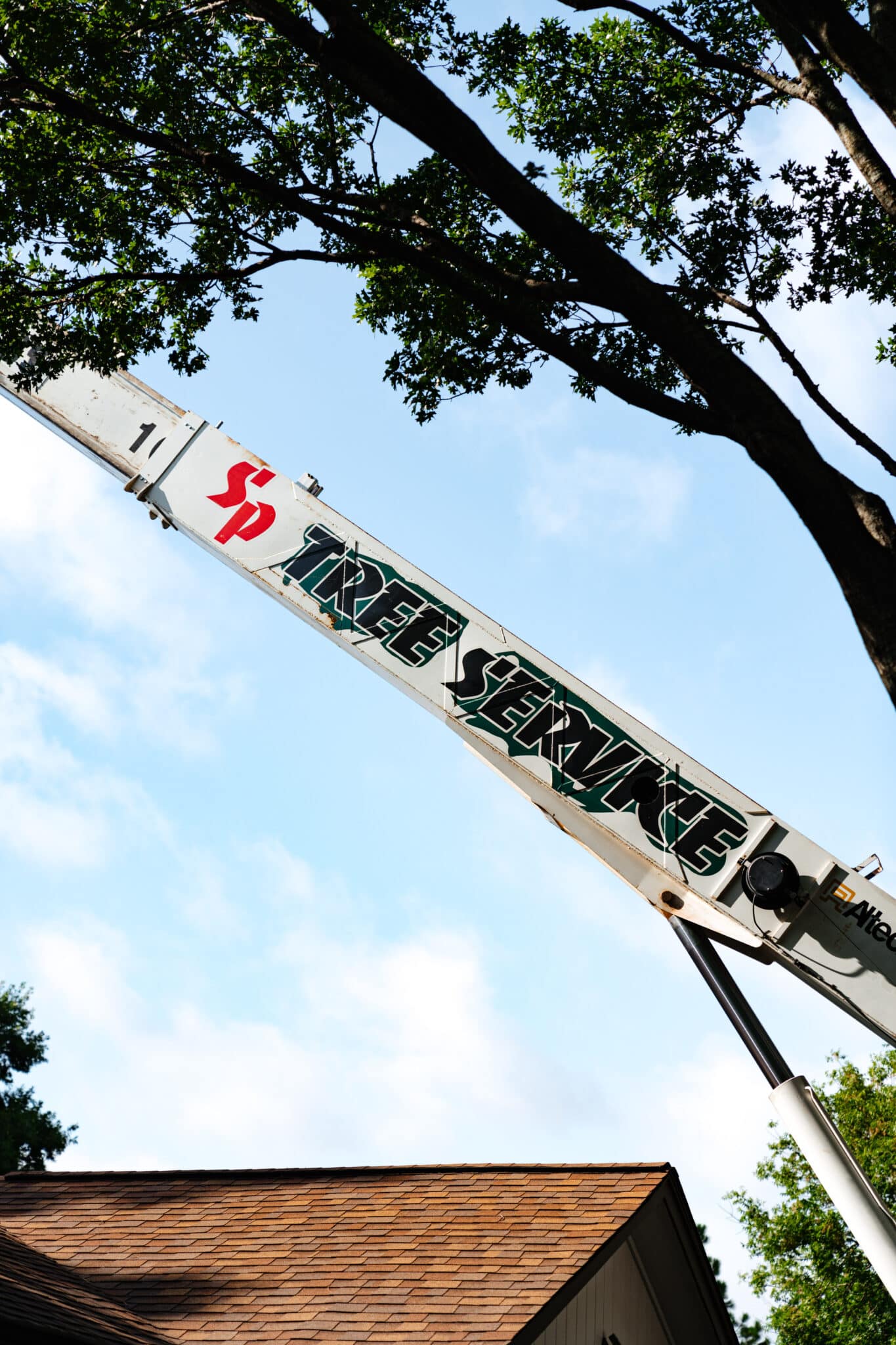
Precision Limb Contouring to Protect Roofs and Walkways
Key Takeaways About Precision Limb Contouring
Precision limb contouring means making targeted shaping cuts that steer branches away from roofs walkways while preserving tree health. This guide is for homeowners and property managers who need safer clearances before contact causes damage.
- Identify branches that rub roofs gutters or hang over paths.
- Prevent repeated damage by redirecting growth with small cuts.
- Avoid large flush cuts that encourage weak epicormic sprouting.
- Spot signs of decay included bark or narrow crotch angles early.
- Reduce wind load and branch torque with selective thinning cuts.
- Plan follow up inspections and measure clearance changes over time.
Introduction
Precision limb contouring means making shaping cuts that steer branches away from roofs, gutters, and walkways. Homeowners see limbs brushing shingles, scraping paint, or dropping leaves in gutters. Those contacts shorten roof and siding life and create slip hazards on paths below. Managing growth now reduces repeated damage and messy maintenance later.
Proper shaping cuts also guide a tree’s energy toward healthy growth instead of into risky branches. Over time unwanted limbs can become structurally weak and attract pests or decay. A steady pattern of rubbing or crowding often leads to cracked bark and hidden rot. Addressing branch direction limits these gradual failures before they become emergencies.
Visible signs matter when deciding whether contouring is needed at a property. Look for branches that lean toward eaves, rest on power lines, or hang low over commonly used walkways. A professional inspection can confirm if a shaping cut will change growth direction without harming the tree. That assessment often checks branch attachment, collar condition, and wound closure potential.
Homeowners in Fort Worth, TX and Dallas, TX face the same tradeoff between aesthetics and safety when trees grow near structures. Thoughtful shaping cuts keep canopy form while protecting roofs and paths from repeated contact. When done correctly these cuts preserve tree health and reduce future trimming needs. If you notice recurring contact or damage, contact a qualified arborist for a safe evaluation.
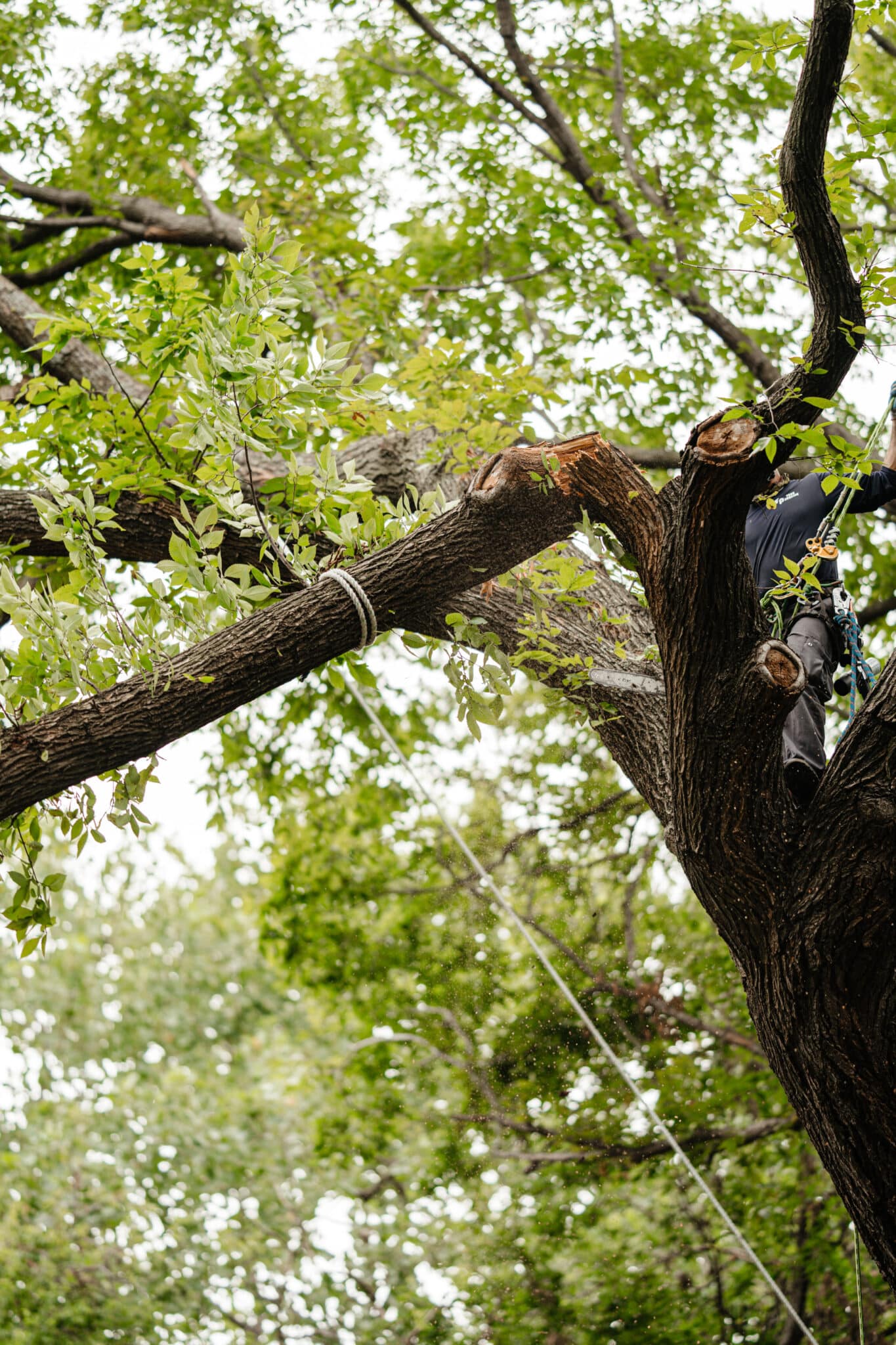
What Precision Limb Contouring Means For Homeowners
Precision limb contouring means making targeted shaping cuts that steer growing branches away from structures while preserving tree vigor. This practice focuses on removing small amounts of wood to change branch angle and reduce rubbing without major crown reduction. Homeowners often ask whether contouring will harm the tree, and the short answer is that properly placed shaping cuts preserve health while redirecting growth. A clear homeowner question answered: small, well-timed cuts usually produce safer branch angles within one to three growing seasons.
- Reduce direct contact with roofs and gutters.
- Limit leaf and debris buildup on walkways.
- Prevent bark wounds from rubbing branches.
- Preserve the tree’s natural form.
Precision limb contouring also considers how each cut affects the tree’s internal stress and wound response. A professional will check branch collar condition and attachment quality before cutting to avoid creating decay entry points. Visible cues like bark tears, included bark, or a narrow crotch angle signal higher risk and need different contouring choices. For many homeowners, seeing a plan that shows which limbs change direction helps decide on treatment.
Diagnosis for contouring begins with a walkaround inspection to note contact points and clearance needs near roofs or walkways. The inspector measures branch length and direction, checks for previous pruning wounds, and looks for signs of decay or pest activity. They may document findings with photos and a written recommendation that includes likely outcomes and follow-up intervals. For more detail on how professionals perform targeted shaping cuts, see the page about precision tree cutting.
Homeowners in Fort Worth, TX and Dallas, TX should watch seasonal growth patterns to time contouring for low stress on the tree. Summer and late winter are common times to plan cuts because growth rates and wound closure tendencies differ by season. If branches already press on shingles or hang over busy walkways, consult a trained arborist to reduce injury risk and long-term damage. Acting early often saves money and prevents emergency removals later.
Why Branch Pressure Causes Roof And Walkway Risks
Branch pressure develops when weight, wind load, or growth direction concentrate force on a single limb where it contacts a roof or pathway. That force often shows as flattened or crushed bark where the branch rubs against shingles or railings. Homeowners might notice granular loss on shingles, sagging gutters, or a soft spot under a frequent contact point. A technician inspects these signs to judge how much ongoing pressure exists and which cuts will relieve it.
Load distribution matters because nearby branches share stress differently depending on angle and attachment. A narrow crotch or included bark transfers more load into the junction, increasing rotation and splitting risk during storms. Inspectors check branch attachment, measure branch diameter, and look for internal decay using a probe or visual cavity clues. These checks tell whether a shaping cut will move stress safely or if a larger reduction is required.
Repeated contact also damages roof materials and creates slip hazards on walkways from accumulated debris and rot. Besides visible wear, homeowners may smell mildew in attic spaces or hear creaks when wind moves rubbing limbs. Professionals confirm impact points by placing tape or chalk marks, photographing contact during a windy day, and noting clearance changes with simple measurements. That record helps decide targeted cuts and verifies improvements after work finishes.
When contouring, the goal is to change leverage so branches no longer press on structures while keeping the tree stable. A pro plans cuts to shift growth direction slowly and avoid creating new weak forks or large wounds. For information on common strategies that reduce limb reach and clearance risks, see the resource on limb reduction, clearance, and risk control.
How Shaping Cuts Redirect Growth And Stress
Shaping cuts change how a branch grows by removing a specific side of the limb to shift growth toward healthier shoots. Technicians make angled cuts just outside the branch collar so the wound closes efficiently and the tree redirects hormones. Controlled removal alters the lever arm of the branch, reducing torque where it approaches a roof or path. This subtle change encourages new buds to form on the preferred side over one to three seasons.
Pros inspect target limbs for decay, bark inclusion, and attachment strength before cutting to predict how the tree will respond. They use a handsaw or pruning saw sized to the branch diameter to keep cuts smooth and avoid tearing the cambium. After a shaping cut they document the result with photos and measurements to track clearance gains and guide follow-up work. A documented record helps homeowners understand outcomes and plan maintenance intervals.
Professionals often combine shaping cuts with selective thinning to balance the canopy and reduce wind sail that stresses remaining branches. Thinning reduces weight at the branch tip and redirects the tree’s growth energy inward toward stronger scaffold limbs. This reduces the chance of regrowth swinging back toward structures and limits secondary rubbing between branches. For guidance on achieving safe gaps between tree limbs and structures, consult the resource on roofline clearance in Fort Worth.
Diagnosis includes observing live bud orientation, checking wound closure rates, and measuring change in clearance after initial cuts to confirm success. A technician may use a tape measure and photos taken over months to record movement and healing. Homeowners in Dallas, TX should watch for sprouting on the inner side of a cut and report vigorous epicormic growth for follow-up. If cuts expose decay or cause heavy sprouting, contact a professional since these signs need targeted management.
When To Act Before Damage Occurs
Watch for seasonal changes that speed risky contact, such as rapid spring growth or heavy late-season leafing that increases limb weight. If you notice new rubbing or debris on paths after a single storm, act sooner rather than later to avoid progressive wear. A timely shaping cut can redirect growth before a branch forms a larger, harder-to-manage union. For properties in Fort Worth, TX prompt attention often reduces the need for larger reductions later.
- When branches begin to scrape gutters regularly.
- When limbs hang low over high-traffic walkways.
- When bark shows repeated abrasion marks.
- When new sprouts grow toward structures quickly.
Inspect visible attachments and recent wounds as soon as homeowners spot increased contact or sound during wind events. A professional would measure branch diameter, check collar integrity, and photograph contact points to confirm which cuts will shift growth. Simple diagnostics include tap tests for hollowness and visual cavity checks around the wound collar. These steps tell whether a shaping cut alone will suffice or if further action is needed.
If clearance over sidewalks is the concern, consider a canopy lift combined with shaping cuts that steer branches away from foot traffic and roofs. You can review options for modifying sidewalk clearance and canopy height with resources on sidewalk canopy lift before scheduling work. Acting before repeated impacts saves on roof and pathway repairs and reduces slip hazards for users.
DIY Techniques For Safe Limb Contouring Practices
Start with a clear plan showing which limbs you will remove and which small shaping cuts will redirect growth. Mark target branches with removable tape and photograph the current clearance near roofs and walkways. A basic diagnostic step is measuring branch diameter and noting bud orientation to predict new growth direction. If you see internal decay or included bark during inspection, stop and contact a professional for a safety evaluation.
Use proper tools sized to the branch: bypass hand pruners for shoots, pruning saws for larger limbs, and a folding saw for mid-sized branches. Make three progressive cuts on larger limbs to avoid bark tearing: an undercut, a top cut farther out, then a final collar cut near the branch union. Cut smoothly just outside the branch collar without removing the collar tissue to encourage faster wound closure and reduce decay risk. Avoid topping or large flush cuts that force epicormic sprouting and weaken structure.
When steering a limb, remove wood on the side that encourages outward growth rather than making drastic reductions at the tip. Small, angled shaping cuts change the lever arm and encourage buds on the safer side to dominate over the next seasons. After cutting, record clearance changes with photos and measurements to confirm progress and plan follow-up pruning. Homeowners in Fort Worth, TX often find this documentation helps decide if further shaping is needed.
Watch the tree for vigorous sprouting at the cut site and plan to remove or thin those shoots before they reintroduce contact with structures. For overhanging limbs that need regular minor shaping, consider the documented methods used in professional overhang control and consult resources like overhang control for technique guidance. If work involves climbing above safe reach, or if cuts expose large wounds, contact a trained arborist to protect safety and tree health. Properties in Dallas, TX with repeated canopy contact often schedule periodic follow-up checks to maintain results.
When To Call A Professional Tree Service
Call a professional when limb work requires climbing, heavy rigging, or when cuts expose large wounds that need monitoring and specialized care. Professionals assess internal decay with visual probes and may recommend follow-up inspections to track wound closure and structural change. A crew will use ropes, harnesses, and proper fall-protection techniques that most homeowners should not attempt alone. If you hear creaks or notice sudden shifting during wind, schedule an evaluation promptly.
A trained arborist diagnoses complex cases by checking attachment angles, measuring branch diameters, and testing hollowness with light percussion. They also document growth direction and expected response, often using photos and written notes to plan phased work. This diagnostic record helps decide whether shaping cuts alone will control future contact or if selective removals are necessary. Homeowners benefit from understanding the predicted timeline for clearance improvement.
Hire a pro if the tree is near utilities, roofs, or high-traffic walkways where mistakes could cause injury or property damage. Technicians coordinate with utility providers when lines are involved and follow safety practices to prevent service interruptions. In Fort Worth, TX property owners commonly request professional reviews when multiple limbs press on structures. A contractor can stage work to minimize debris on sensitive surfaces and protect gutters and roofing materials.
After an initial assessment, professionals sometimes propose a maintenance schedule to reinforce contouring results and limit regrowth toward structures. Regular follow-up visits allow adjustments based on observed sprouting or changed wind exposure, reducing the need for emergency cuts later. For homeowners wanting specifics on directing new growth and timing follow-up, consult the resource on growth direction trimming for techniques professionals use. In Dallas, TX many property managers schedule recurring checks to maintain safe clearances and document progress.
Long Term Prevention And Maintenance Strategies
Establish a regular inspection rhythm to catch regrowth before it threatens roofs or walkways, and document findings with photos. Schedule checks after major seasonal growth spurts and following significant storms to note new contact or rubbing. During inspections, measure clearance changes and record which shaping cuts produced movement toward safer angles. If you find vigorous epicormic sprouts, remove or thin them promptly to preserve contouring results.
- Inspect after spring and late summer growth.
- Photograph contact points before and after cuts.
- Measure clearance with a tape measure.
- Record dates and actions in a simple log.
Adopt a phased pruning plan that spaces shaping cuts over multiple seasons to reduce stress and allow wound closure. Professionals often plan smaller annual reductions rather than large single cuts to prevent decay and excessive sprouting. Track wound closure with simple measurements and photos to guide the timing of the next shaping pass. For targeted lateral direction, consider scheduled work described under directional trimming.
Protect roofs and walkways during maintenance by using controlled rigging and debris nets when pruning near structures. Place ground protection under work areas to prevent gutter and shingle damage from falling debris. After work, inspect gutters and flashings for displaced material or hidden abrasion from previous contact. For properties in Fort Worth, TX consider documenting results for future comparisons if regrowth returns toward structures.
Set long-term goals for canopy form and structural health to guide each maintenance cycle and avoid reactive cuts that harm the tree. Use measured goals like target clearances and maximum allowed epicormic growth to decide when to act. A professional can provide a simple maintenance schedule that lists expected interventions by year.
Choosing The Right Contractor And What They Check
Ask potential contractors about their specific process for planning contouring work and how they confirm safe outcomes for structures. A thorough contractor will describe inspection steps, expected timeline for canopy response, and methods to protect roofs and walkways during work. Request references or photos of recent contouring projects so you can confirm results on similar properties. If the job involves complex cuts near utilities, ensure the crew explains coordination with utility providers and safety measures.
During selection, verify the contractor explains diagnostic checks they will perform before cutting, such as probing for decay and testing branch attachment strength. Professionals often use a visual probe, tap tests, and close inspection of the branch collar to decide cut placement and size. Ask how they document findings with photos and written notes to track clearance improvements over time. A clear record helps you monitor whether shaping cuts shift growth as predicted.
Confirm the crew follows accepted pruning sequencing for larger limbs and ask whether they use the three-cut method for safe limb removal when needed to avoid bark tearing. Contractors should explain when they will use progressive cuts versus simple shaping cuts to protect wound collars. Request that they describe their post-cut inspection for wound closure and any recommended follow-up visits. This discussion shows whether they plan work to support long-term tree health.
Ask about insurance, on-site safety practices, and how they protect rooflines and gutters from falling debris during work near structures. A competent team will describe containment methods and how they stage falls to minimize impact on pathways and landscaping. If you manage properties in Fort Worth, TX, request timelines for phased work to limit disruption during busy seasons.
Frequently Asked Questions
How does precision limb contouring protect roofs and walkways?
Precision limb contouring redirects branch growth away from roofs and walkways by removing targeted weight and changing limb angles. Proper cuts reduce rubbing and impact that cause shingle loss and gutter blockages. Technicians inspect branch attachments, crotch angles, and decay to confirm which cuts will steer future growth. Because climbing and cutting near structures carries risk, hire a professional to avoid injury and property damage.
When should I schedule precision limb contouring for my trees?
Schedule precision limb contouring in late winter or early spring before new growth redirects branches toward roofs and walkways. Inspect after storms or heavy winds if you notice rubbing limbs or fresh damage near structures. If branches hang over shingles or block walkways and pose a fall risk, call a professional, do not attempt high cuts yourself. A certified arborist or experienced crew can assess branch weight, attachment points, and decay before making shaping cuts.
What visible signs show branches need shaping cuts?
Leaves rubbing against shingles or guttering and dark streaks on roofing indicate branches encroach on structures and need shaping. Branches that consistently scrape walkways or hang low over paths show clear contact risk and uneven weight distribution. Visible rubbing wounds, cracked bark, or branch decay suggest pruning to redirect growth and reduce future hazards. Because cutting near roofs and power lines carries danger, use a professional for Precision limb contouring and high work above roofs.
How do pros diagnose which shaping cuts will work?
An arborist inspects branch angle, trunk attachment, live crown ratio, and decay to plan shaping cuts that steer growth away from structures. They record photos and measure clearances to predict future limb paths and shade patterns. A professional uses pruning saws, pole tools, and sometimes a moisture meter or binoculars to confirm cut locations, caution is needed when working near roofs or power lines so homeowners should hire a pro. Precision limb contouring decisions rely on visible defects, structural weakness, and desired canopy shape to maintain tree health and reduce risk.
Can shaping cuts reduce recurring gutter and walkway debris?
Yes. Precision limb contouring redirects branch growth so leaves and twigs fall clear of gutters and walkways more often. Technicians inspect branch unions and crown structure to choose shaping cuts that change limb angles without harming tree health. If work requires climbing near roofs, exercise caution and hire a professional to avoid fall or structural hazards.