

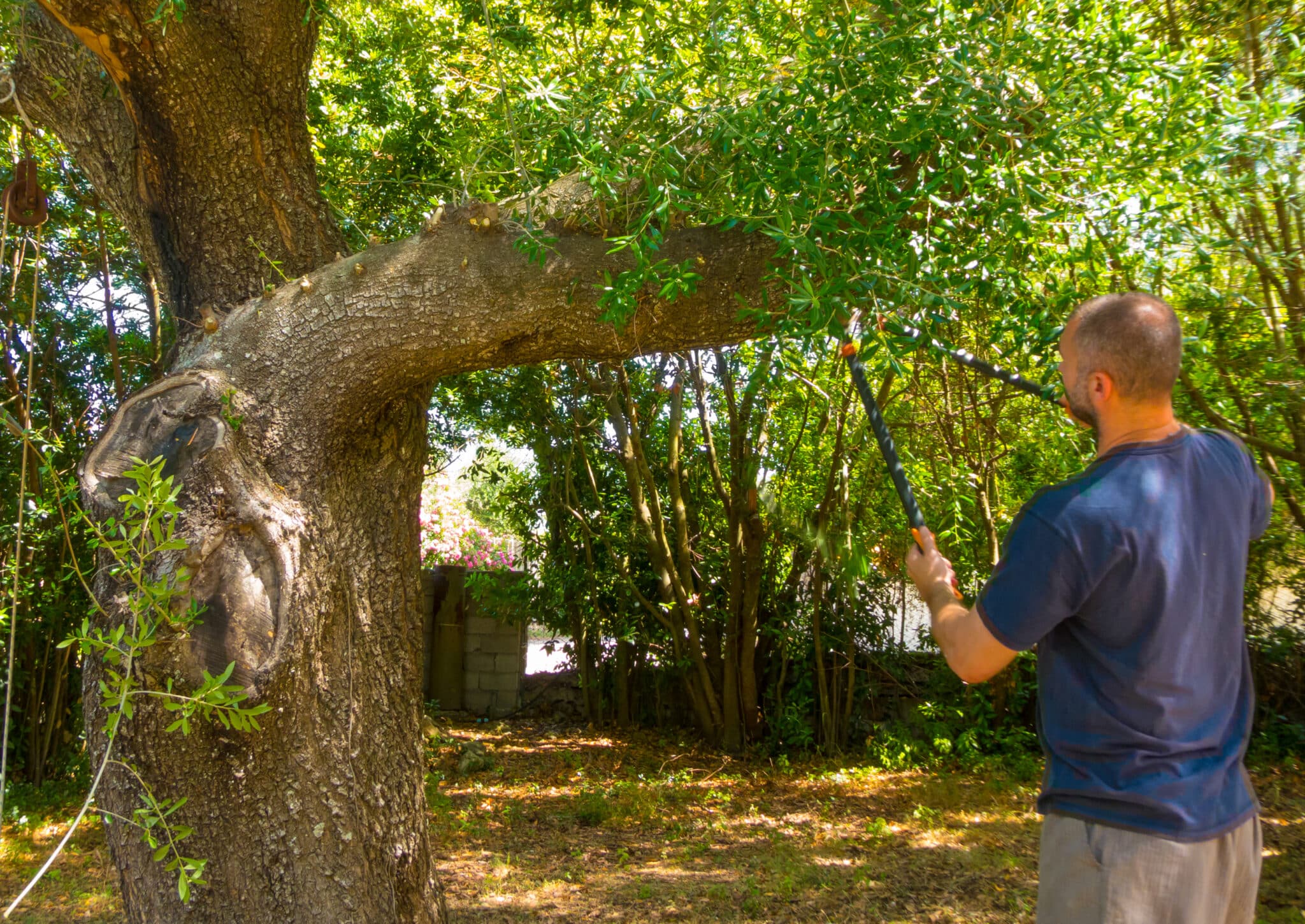
Wildlife Friendly Trimming That Protects Backyard Habitats
Backyards in Arlington, TX, are home to more than just people. Birds, squirrels, and pollinators all rely on trees for shelter. Wildlife friendly trimming helps protect these habitats while keeping your landscape beautiful. This approach is gaining attention in areas like Fort Worth, TX, and beyond.
Traditional tree trimming can unintentionally disrupt nests or remove important food sources. Wildlife friendly trimming uses careful techniques to safeguard these natural resources. It’s about finding a balance between safety, beauty, and supporting local wildlife. Homeowners are increasingly interested in practices that benefit both their yards and the environment.
Many animals depend on trees for nesting and movement. When trimming is done thoughtfully, it preserves safe corridors for wildlife to travel. This method also ensures that native birds and insects continue to thrive. In places like Mansfield, TX, such care helps maintain the area’s natural charm.
Wildlife friendly trimming is more than a trend, it’s a responsible choice for the community. By protecting backyard habitats, you support biodiversity and healthy ecosystems. This method encourages harmony between people and nature. A well-trimmed tree can look great and still be a haven for local wildlife.
Understanding Backyard Wildlife Habitats
Backyard habitats in Arlington, TX, are often more complex than they appear. Trees provide vital shelter, food, and nesting sites for many species. Birds use branches for building nests, while squirrels rely on leafy canopies for protection. Even small insects find safe spaces among the bark and leaves.
Wildlife friendly trimming recognizes the importance of these natural roles. Instead of removing branches at random, experts assess each tree for signs of wildlife activity. They look for nests, burrows, or feeding areas before making any cuts. This careful approach helps avoid disturbing animals during sensitive times.
In places like Fort Worth, TX, preserving these backyard habitats supports the entire local ecosystem. Pollinators, such as bees and butterflies, depend on flowering trees for nectar and shelter. When trimming is done with wildlife in mind, these beneficial insects continue to thrive. Healthy pollinator populations lead to more vibrant gardens and landscapes.
Safe corridors are another key part of wildlife friendly trimming. Animals like birds and squirrels need connected branches to move safely between trees. In Mansfield, TX, maintaining these pathways helps wildlife avoid predators and find food. By protecting these routes, homeowners help create a safer environment for all backyard visitors.
Importance of Wildlife Friendly Trimming
Wildlife friendly trimming plays a vital role in maintaining healthy backyards across Arlington, TX. This approach keeps trees strong while protecting the animals that depend on them. By choosing careful trimming methods, homeowners help preserve the delicate balance between nature and their outdoor spaces. The result is a landscape that supports both beauty and biodiversity.
One key benefit is the protection of nesting sites and food sources for local species. Birds and squirrels often return to the same trees year after year. Safe trimming ensures these animals can raise their young without disturbance. It also helps maintain the food supply for pollinators and other wildlife.
In Fort Worth, TX, wildlife friendly trimming has become an essential part of responsible landscaping. When trees are trimmed with care, fewer animals are displaced or harmed. This method also encourages more wildlife to visit and remain in the area. Homeowners enjoy a thriving, lively backyard filled with birdsong and activity.
Mansfield, TX, residents see the positive effects of these practices in their own neighborhoods. Protecting safe corridors and habitats leads to healthier trees and happier wildlife. Over time, these efforts create a stronger, more resilient ecosystem. Wildlife friendly trimming is an investment in the future of both your yard and local nature.

Identifying Nests and Habitats Before Trimming
Before starting any tree work, it’s important to inspect for signs of wildlife. Wildlife friendly trimming begins with a careful search for nests, burrows, or feeding spots. Birds often build nests in hidden branches, while squirrels may use leafy clusters for shelter. Spotting these areas helps avoid accidental harm during the trimming process.
Trained professionals know how to recognize subtle signs of animal activity. They look for droppings, chewed leaves, or small entry holes in the bark. These clues indicate that wildlife is present and active in the tree. Taking time to observe ensures that habitats remain undisturbed.
In Fort Worth, TX, this attention to detail supports the area’s rich bird and insect populations. Wildlife friendly trimming means waiting until young birds have left the nest before removing branches. This patient approach allows animals to complete their life cycles safely. It also helps maintain stable populations in local neighborhoods.
Mansfield, TX, homeowners benefit from these thoughtful practices as well. By identifying habitats early, trimming can proceed without disrupting safe corridors or food sources. Wildlife friendly trimming keeps trees healthy and inviting for backyard visitors. Everyone enjoys a vibrant, living landscape that supports both people and nature.
Techniques for Preserving Food Sources
Wildlife friendly trimming pays close attention to the food sources that sustain backyard animals. Many birds and small mammals rely on seeds, fruits, and nuts found in tree canopies. By identifying and preserving these branches, you help ensure a steady food supply for local wildlife. This approach keeps your landscape lively and supports a variety of native species.
Professionals assess trees for clusters of berries, acorns, or flowers before making any cuts. In Fort Worth, TX, this careful evaluation helps protect the resources birds and pollinators need. Trimming is planned to leave enough food-bearing branches intact for the season. This method encourages more wildlife to visit and thrive in your yard.
Wildlife friendly trimming also considers the timing of food availability. By trimming after fruiting or flowering, you avoid removing essential nourishment at critical times. In Mansfield, TX, this practice supports healthy populations of bees, butterflies, and songbirds. Thoughtful scheduling ensures your trees remain a valuable food source all year.
Homeowners who choose wildlife friendly trimming enjoy both a healthy yard and vibrant backyard habitats. Trees continue to offer shelter and nutrition for diverse animal species. This balanced approach benefits everyone who shares your outdoor space. Supporting food sources helps create a welcoming environment for wildlife and people alike.
Creating and Maintaining Safe Wildlife Corridors
Wildlife friendly trimming goes beyond protecting nests and food sources, it also preserves the pathways animals use to move safely. These natural corridors let birds, squirrels, and other creatures travel between trees and shrubs without crossing open ground. In Fort Worth, TX, maintaining these connections helps wildlife avoid predators and find shelter quickly. A well-planned trim keeps these routes intact for daily journeys.
Professionals look for overlapping branches and dense foliage that serve as bridges for backyard animals. By trimming thoughtfully, they avoid cutting critical limbs that connect habitats. This careful approach ensures that animals can continue moving freely through your landscape. Wildlife friendly trimming supports the natural flow of life in your yard.
Timing is important when maintaining safe corridors for wildlife. Experts schedule trimming outside peak nesting or migration periods to minimize disruption. In Mansfield, TX, this practice helps animals adapt to changes without losing access to key areas. The result is a healthier, more resilient backyard ecosystem.
Homeowners who choose wildlife friendly trimming help create landscapes where animals and people thrive together. These safe corridors encourage greater biodiversity and year-round activity. Trees remain both beautiful and functional, supporting the needs of local species. Thoughtful maintenance makes every backyard a haven for wildlife.
Best Seasons for Wildlife Friendly Trimming
Choosing the right season is essential for effective wildlife friendly trimming. Late winter and early spring are often the best times to trim most trees. During these months, many birds have not started nesting, and animals are less active. This timing helps reduce the risk of disturbing important habitats in your Arlington, TX backyard.
In Fort Worth, TX, professionals recommend avoiding trimming during peak nesting and breeding seasons. By scheduling work before or after these periods, you help protect young animals and eggs. Wildlife friendly trimming considers the life cycles of local species to ensure minimal impact. This thoughtful approach keeps your landscape healthy and vibrant throughout the year.
Mansfield, TX residents benefit from planning trimming projects with wildlife in mind. Trimming in late fall can also be a good option for some tree species. This period allows animals to finish raising their young and gather food for winter. Careful timing ensures that habitats remain safe and undisturbed for returning wildlife each season.
Wildlife friendly trimming is most effective when combined with regular observation of your trees and shrubs. Checking for nests or animal activity before trimming helps guide the best schedule. By working with knowledgeable professionals, you can support both tree health and local wildlife. Smart timing creates a harmonious balance between a beautiful yard and thriving backyard habitats.

Tools and Methods for Minimal Habitat Disruption
Wildlife friendly trimming relies on specialized tools and gentle techniques to keep backyard habitats safe. Professionals use hand pruners, pole saws, and bypass loppers to make precise cuts. These tools help avoid unnecessary damage to branches that shelter wildlife. Careful selection ensures each trim supports both tree health and animal safety.
Before starting, experts disinfect tools to prevent spreading diseases between trees. Clean, sharp blades make quick cuts that heal faster and reduce stress on the tree. By working methodically, professionals limit the time spent near sensitive habitats. This approach helps maintain a peaceful environment for birds and small mammals.
Wildlife friendly trimming also uses low-noise equipment to reduce disturbance. Electric or manual tools create less vibration and sound than gas-powered options. In Fort Worth, TX, this quiet method allows wildlife to remain calm during the process. Less noise means less stress for nesting animals and nearby pollinators.
In Mansfield, TX, professionals often trim by hand when working near active nests or food sources. This careful method allows for close observation and precise work. By taking their time, they avoid harming hidden habitats or safe corridors. Wildlife friendly trimming keeps your landscape vibrant while protecting the creatures that call it home.
Partnering with Professionals for Wildlife Friendly Trimming
Partnering with professionals ensures wildlife friendly trimming is done safely and effectively. Experts have the training to spot hidden nests and food sources. Their knowledge helps protect backyard habitats while maintaining the health of your trees. You gain peace of mind knowing both wildlife and your landscape are cared for.
Professionals assess each tree before trimming to identify active wildlife areas. They adjust their approach to avoid disturbing animals or removing important branches. In Fort Worth, TX, this expertise supports local biodiversity and keeps your yard thriving. Their careful planning benefits both homeowners and the environment.
Trained crews use specialized tools and gentle techniques for precise, low-impact trimming. These methods reduce stress on trees and minimize harm to wildlife. In Mansfield, TX, professionals work quietly and efficiently to protect sensitive habitats. Their attention to detail helps maintain safe corridors and nesting sites.
By choosing wildlife friendly trimming with a trusted team, you support a healthy, balanced outdoor space. Professionals stay updated on best practices and local wildlife needs. Their experience ensures your trees remain beautiful without sacrificing habitat. Together, you create a welcoming environment for both people and animals.
Frequently Asked Questions
What is wildlife friendly trimming for backyard habitats?
Wildlife friendly trimming uses careful techniques to protect nests, food sources, and safe pathways for local animals. This approach avoids cutting branches that shelter birds or squirrels, supporting backyard habitats. By choosing wildlife friendly trimming, homeowners encourage a thriving ecosystem and reduce harm to native species. Every step considers the needs of wildlife while keeping trees healthy and beautiful.
How does wildlife friendly trimming benefit local species?
Wildlife friendly trimming allows birds, squirrels, and pollinators to keep their homes and access food sources year-round. By preserving safe corridors, animals can move freely between trees and shrubs without disruption. This method also supports natural pest control by encouraging beneficial insects to thrive in your yard. Overall, wildlife friendly trimming creates a balanced environment that helps local species flourish in Arlington, TX.
When is the best time to trim to avoid disturbing wildlife?
The best time for wildlife friendly trimming is late fall or winter when most birds and animals are less active. Avoid trimming during spring and early summer, as this is nesting season for many species in Arlington, TX. Planning tree work during dormant months helps protect young animals and preserves important food sources. With wildlife friendly trimming, you support backyard habitats while keeping your trees healthy year-round.
Which plants support backyard wildlife the most?
Native trees, shrubs, and flowering plants offer the best support for backyard wildlife in Arlington, TX. These plants provide shelter, nesting spots, and natural food sources throughout the year. Wildlife friendly trimming helps maintain these habitats by preserving key branches and dense foliage. By choosing native species and careful trimming, you create a welcoming space for birds, pollinators, and small mammals.
How can I identify animal nests before trimming?
Look for clumps of leaves, twigs, or grass tucked into branches, as these often signal active nests. Watch for frequent animal activity, such as birds flying in and out or squirrels carrying materials. Before wildlife friendly trimming, scan trees from different angles to spot hidden nests or burrows. If you notice signs of nesting, postpone trimming to protect backyard habitats and support local wildlife.