


Sight Triangle Trimming for Safer Driveway Exits
Key Takeaways About Sight Triangle Trimming
Sight triangle trimming clears specific lower and mid-canopy growth that blocks driver visibility at a driveway exit. This summary is for homeowners and property managers who need safer exits when visibility feels restricted.
- Identify low limbs and mid-canopy masses that block driver views.
- Prevent sudden limb failure by removing dead or weak branches.
- Avoid large scaffold cuts that stress the tree and invite decay.
- Spot regrowth patterns that will re-block the sight triangle quickly.
- Reduce visual clutter with targeted thinning to improve contrast.
- Plan follow-up maintenance based on species growth and site factors.
Introduction
Driveway sight triangles matter because blocked views can cause near-misses or worse when leaving a property. Overgrown lower limbs and dense mid-canopy growth reduce the time drivers have to see oncoming traffic. Selective lifts and precise thinning address those specific obstructions without removing large healthy branches. Homeowners often assume any trimming will solve the problem but improper cuts can stress trees and create new hazards.
Selective lifting clears the lower line of sight while preserving the canopy that protects the tree. Precise thinning removes interior branches to reduce visual clutter and improve light penetration. These techniques help drivers judge distances and speeds more accurately at exits. Local conditions can make a difference, so homeowners in Prosper should note when visibility feels tight at their driveway.
A professional inspection looks for sight-line obstructions, weak attachments, and signs of decay that affect safety. Technicians check trunk flare, branch unions, and the location of low limbs relative to driveways. They may use a simple sight-line test from the driver’s seat to confirm problem areas. For properties in Midlothian, recurring growth can hide hazards faster than expected.
When trimming targets sight triangles, the goal is safety first and tree health secondarily balanced with care. Proper cuts follow arboricultural best practices to avoid creating wounds that invite pests or disease. Thoughtful pruning preserves structure while restoring clear sight lines for drivers and pedestrians. If you notice reduced visibility at your exit, contact a qualified professional for an assessment.
What Sight Triangle Trimming Actually Entails
Sight triangle trimming means removing specific limbs and growth so drivers have a clear view from a driveway exit. Technicians start with a visual assessment from the driver’s seat to map obstructing elements like low limbs and dense mid-canopy branches. A common homeowner question is whether trimming will harm the tree, and the answer is that targeted cuts minimize stress when done correctly. Professionals often document the sight lines with photos before and after to justify which branches are removed.
- Clear low limbs that block horizontal sight lines.
- Thin interior canopy clutter to improve visual contrast.
- Remove dead or weak branches near the driveway.
- Maintain enough canopy to protect the trunk and roots.
During inspection, crews note branch unions, trunk flare, and decay indicators they can see without invasive testing. They also perform a simple sight-line test from a typical driver’s eye height to confirm exact removal points and angles. For homeowners who worry about regrowth, crews explain which species need sooner follow-ups and why selective lifts reduce vigorous compensatory growth. Properties in Midlothian may need more frequent attention where fast-growing species return obstructive branches quickly.
Cutting techniques focus on three actions: selective lifting, mid-canopy thinning, and removal of hazards near travel paths. Technicians use pruning cuts placed outside the branch collar to promote correct healing and reduce decay risk. Homeowners in Prosper often ask whether visibility checks are needed after heavy storms, and the simple answer is yes for safety and early detection of new obstructions. For more detail on pruning steps and methods, review our explanation of sightline pruning methods.
Why Sight Triangle Obstructions Happen Near Driveways
Driveway sight triangle obstructions often start with how plants are positioned relative to road geometry and driver sight lines. Neighborhood planting too close to corners or driveway edges shrinks the clear visual corridor drivers need to judge traffic. Shrubs and low limbs that fill that space create blind spots at specific approach angles and times of day. Homeowners in Prosper may first notice the problem when morning or evening glare makes existing cover more obstructive.
Tree growth habits also influence how quickly a sight triangle fills in after planting or pruning. Species with dense lower branching or fast mid-canopy growth produce visual clutter sooner than open-structured trees. Maintenance patterns matter: repeated topping, indiscriminate hedge pruning, or missed seasonal thinning encourage dense regrowth near driveways. Inconsistent trimming schedules let small obstructions become large hazards between service visits.
Site factors such as driveway slope, nearby fences, and parked vehicles change the effective sight triangle by limiting where a driver can look. A low hedge that seems harmless on flat ground can block sightlines on a sloped exit. Utility lines or signs close to the driveway can force pruning into tighter spaces and create complex layering of obstructions. Professionals assess these interactions during an inspection to determine which elements to raise or thin first.
Diagnosing the cause starts with simple, observable checks from the driver’s seat and from typical pedestrian heights. A technician will perform a sight-line walk, note low limbs, dense crotches, and overlapping shrub masses, and take photos for comparison. They may use a tape measure or a simple sighting pole to mark clearance distances and record which branches intersect the view plane. For guidance on clearing linear travel corridors and visibility lanes, see our explanation of view corridor trimming.
Human factors also play a role when property users park vehicles or leave temporary items near driveway edges that block lines of sight. Seasonal vegetation like hedgerows or flowering shrubs can grow quickly and surprise homeowners with sudden visibility loss. In Midlothian, rapid regrowth of certain species highlights the need for follow-up visits after the first corrective pruning. Recognizing these contributing factors helps prioritize selective lifts and precise thinning to restore safe sight triangles without harming trees.
How Selective Lifts Improve Visibility And Safety
Selective lifting uses targeted pruning to raise lower branches and open the line of sight without removing major scaffold limbs. Technicians focus on lifting the lowest obstructive branches so drivers see approaching vehicles sooner and have more reaction time. A clear lift also reduces shadows and visual clutter that hide small moving objects like bicycles or pets. For homeowners in Prosper, this approach often avoids drastic canopy reduction while restoring necessary sight distance.
Proper lifting preserves branch collars and avoids large flush cuts that cause decay and structural weakness over time. Arborists evaluate branch unions and weight distribution before removing material to ensure the remaining structure stays balanced. They often combine lifting with selective shortening of overly long limbs to prevent future drooping into the sight triangle. This keeps trees stable and reduces the need for frequent corrective pruning near driveways.
Selective lifts pair with precise thinning to break up dense mid-canopy masses that create a visual screen at certain angles. Thinning removes small crossing branches and interior shoots to improve contrast and daylight through the canopy without creating large wounds. Professionals check for weak attachments and deadwood during thinning to reduce the risk of unexpected limb failure near travel paths. In Midlothian properties, inspectors may recommend a slightly different thinning density based on species and growth habit.
During a diagnostic assessment, crews perform a driver’s-seat sight-line test and document obstructing elements with photos and notes to plan cuts. They may use a tape measure and sighting pole to mark clearance planes and confirm how much lift the driver needs. After pruning, crews reassess the sight triangle to ensure the intended view is restored and no safety gaps remain. If any safety concerns arise during this process, contact a professional for a follow-up evaluation.
When To Call A Professional For Sight Triangle Trimming
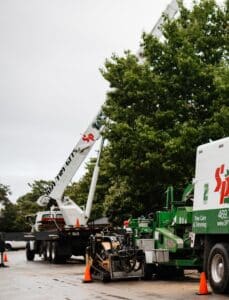
If branches are cracked, partially detached, or hang over the driveway, call a professional promptly for assessment. A trained crew can safely remove unstable limbs without harming the tree or nearby structures. Technicians will evaluate attachment strength, decay indicators, and risk to people or vehicles before cutting. For situations where low branches need elevation, consider a targeted skirt lift approach to reduce hazard while keeping canopy cover.
- Visible cracks in limbs
- Recent limb failure or hanging branches
- Branches rubbing on parked vehicles
- Rapidly swaying limbs after storms
When sight-line problems return quickly after pruning, a pro can identify causes like poor cut placement or vigorous regrowth. They inspect branch collar integrity and canopy density to recommend the right follow-up spacing and pruning intensity. Professionals may use photographs and simple measurements from the driver position to document persistent obstruction sources. Homeowners in Prosper should note regrowth timing to schedule maintenance effectively.
If the work requires climbing near power lines or high canopy access, hire a professional to manage the safety and equipment needs. Certified crews follow rope techniques and use protective gear to reduce injury and property damage risks during complex removals. During diagnosis, they may check for hollow limbs or decay using visual probes and sound tests to confirm structural issues. Properties in Midlothian with mixed species often need species-specific timing to avoid stressing trees during active growth periods.
Call a professional before attempting cuts that remove large scaffold limbs or change canopy structure significantly. Experts balance sight triangle needs with tree health, preserving strong branch architecture while restoring visibility. A written assessment helps homeowners understand recommended actions, timelines, and likely follow-up intervals after corrective trimming. If you need details on lifting low branches safely, review our explanation of skirt lift to elevate low branches.
Precise Thinning Techniques That Protect Tree Health
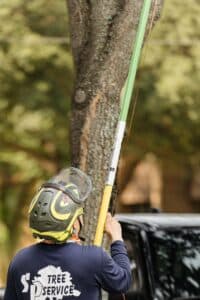
Technicians start thinning by removing small interior shoots and weakly attached branches to open sight planes without removing major scaffold limbs. They make many small cuts rather than a few large ones to reduce wound size and stress. During the work, crews look for crowded crotches and crossing branches that block short-distance visibility. Homeowners in Prosper may notice immediate improvement in contrast and daylight through the canopy after this careful removal.
A diagnostic step uses visual checks and simple tools like a sighting pole and tape measure to mark which interior branches intersect the driver’s view. Pros examine branch collars and record photos to confirm cuts will not sever supportive wood. They avoid flush cuts and always leave the branch collar intact so trees can compartmentalize wounds. This conservative approach lowers the chance of decay near the trunk while keeping the sight triangle clear.
When thinning mid-canopy masses, crews balance percent-of-crown removal with species growth habit to prevent excess regrowth or sunscald on bark. Professionals limit live crown reduction to safe levels and often stagger thinning over seasons for sensitive species. They may recommend follow-up light maintenance rather than a single heavy thinning to preserve long-term structure. For an overview of canopy reduction and interior thinning, see our explanation of canopy thinning.
After cuts, crews reassess sight lines from driver eye height and take photos to document restored views and remaining risks. If deadwood or decay appears during this phase, they note it for later removal to avoid sudden failure near the driveway. A written diagnostic report helps homeowners track growth patterns and schedule future maintenance. Properties in Midlothian sometimes require more frequent light thinning because of rapid mid-canopy regrowth in certain species.
Common Warning Signs Indicating Reduced Sight Triangles
Blocked sight triangles often show up as drivers braking later than usual when exiting a driveway, a subtle but important cue for homeowners to watch. Another common sign is seeing only part of an oncoming vehicle through foliage until it is very close, which shortens reaction time. Professionals confirm obstruction with a driver-seat sight-line check and by using a sighting pole to map visual intersections. For properties in Prosper, noticing these cues after seasonal growth indicates a timely trimming opportunity.
Glare-related visibility problems can reveal hidden obstructions when low sun angles suddenly make branches or shrubs more opaque than before. If pedestrians or cyclists only become visible at the last moment, the sight triangle likely needs work to improve contrast and daylight penetration. An inspector will note which canopy layers create that visual screen and may measure clearance vertically and horizontally. In Midlothian, homeowners sometimes report sudden visibility loss after nearby plantings mature, prompting professional assessment.
Repeated near-misses or a rise in cautious stopping by family members often points to a functional sight-triangle issue rather than driver error. During diagnosis, a technician checks for mid-canopy clusters that block the view at specific approach angles and records photos for comparison. They also inspect branch unions and deadwood that could fail and suddenly re-obstruct the triangle after a storm. A written note of these findings helps homeowners decide on selective lifts or thinning timing.
When parked vehicles or temporary items worsen the obstruction, it signals that the planted sight triangle margin is too narrow for normal use and needs adjustment. A professional will perform a simple sight-line replication from different driver positions to confirm problem spots before trimming. They may recommend directional cuts that preserve canopy health while opening targeted lines of view, documented with before-and-after photos. If you see these warning signs, contact a qualified arborist for a safe plan that includes directional trimming.
DIY Precautions And Easy Maintenance Steps Homeowners Can Do
Start every DIY check by standing at the driver position and noting which limbs intrude into the view plane. Use a tape measure and a sighting pole to mark approximate horizontal and vertical clearances before cutting any wood. If you see cracked or hanging branches, stop and contact a professional due to risk of sudden failure near the driveway. Keep safety gear like gloves, eye protection, and a stable ladder available for light work only.
- Remove only small shoots and suckers.
- Prune deadwood under two inches in diameter.
- Cut at the branch collar to aid healing.
- Work from the ground when possible.
When thinning small interior growth, make many small cuts rather than removing large sections to avoid stress on the tree. A homeowner can use hand pruners and loppers to remove crossing twigs and crowded sprouts at the branch union. For guidance on where to thin without harming structure, review resources on growth node thinning that explain safe removal points and spacing. If you notice aggressive regrowth, schedule a follow-up check within months to reassess the sight triangle.
A simple diagnostic you can perform is photographing the sight line before and after light pruning to confirm improvement. Note changes like earlier visibility of oncoming vehicles or pedestrians and record measurements for future comparison. If cuts expose large wounds or you see decay, stop further work and arrange a professional inspection in Midlothian or nearby. Homeowners in Prosper should plan seasonal light maintenance to prevent dense regrowth that can rapidly reduce visibility again.
How Sight Triangle Trimming Meets Local Safety Best Practices
Local safety best practices often call for defined clearances near driveways to protect drivers and pedestrians while preserving trees. Professionals align pruning plans with sight triangle trimming goals and common municipal guidance without claiming permits or code specifics. A crew documents vertical and horizontal clearances using a sighting pole and photos to show compliance with recommended visibility ranges. Homeowners benefit from written notes that explain how cuts meet those practical safety expectations for public-facing edges.
Inspectors pay special attention to pedestrian paths and sidewalk approaches where low limbs could hide people from drivers until the last moment. For pedestrian-focused pruning needs technicians may recommend targeted work described in the pedestrian clearance prune guidance. They verify that trimmed branches do not force pedestrians into unsafe routes or reduce sidewalk headroom during peak foot traffic times. This keeps both pedestrian safety and tree structure in balance after pruning.
When assessing whether trimming meets best practices for safety, professionals perform a driver-seat simulation from multiple approach angles to confirm visibility restoration. They record which canopy layers they removed and why, noting any deadwood left for scheduled removal to avoid sudden failures. A diagnostic report will include photos, simple measurements, and recommended follow-up intervals to maintain a safe sight triangle. Homeowners in Prosper can use this documentation when coordinating with neighbors or local authorities about shared sightlines.
Trimming that follows best practices reduces the chance of accidental damage and decreases long-term maintenance needs by avoiding overly aggressive cuts. Professionals prefer staged thinning and selective lifts rather than heavy crown reductions to preserve tree health and structural integrity. They may point out when parked vehicles or temporary objects still reduce effective sight distance and suggest behavioral changes alongside pruning. For properties in Midlothian, recorded before-and-after photos help justify future maintenance plans and scheduling.
Frequently Asked Questions
How does sight triangle trimming improve driveway safety?
Sight triangle trimming clears low limbs and dense foliage that block a driver’s line of sight at driveway exits. It creates predictable sightlines by selective lifts and precise thinning, improving reaction time for drivers and pedestrians. Proper trimming avoids stripping canopy or stressing the tree by removing only obstructive branches and thinning congested areas. If branches are large, diseased, or high, hire a professional arborist to reduce risk and ensure safe pruning methods.
When should I call a pro for sight triangle trimming?
Call a professional when obstructing branches or dense foliage limit visibility at your driveway exit, especially near intersections or busy streets. If tree work requires raising the canopy or thinning for a clear sight triangle, a pro can do selective lifts without harming the tree. If branches are dead, cracked, or show significant decay, stop and call a pro because these conditions raise safety risks during trimming. A certified arborist or experienced tree crew will assess structure, use proper rigging and pruning cuts, and leave written recommendations.
Can selective lifts fix visibility without hurting the tree?
Yes, selective crown lifts can improve sight lines while leaving the tree healthy when done correctly by a trained arborist. Technicians remove specific lower limbs and thin interior branches to open the driveway sight triangle without overcutting. Improper cuts or removing too much foliage can stress the tree, increase decay, or cause unstable growth, so exercise caution. For medium-risk situations or tall trees, hire a certified professional to inspect, plan cuts, and perform the work safely.
What signs show a sight triangle needs attention?
Visible obstructions like low branches, dense lower foliage, or overgrown shrubs that block drivers’ sight lines indicate attention is needed. Faded sight lines when exiting driveways during daylight or night suggest canopy thinning or selective lifts can help. If drivers or pedestrians start slowing or honking more often, treat this as a safety cue and act promptly. If any trimming poses a fall risk or tree health concern, caution and contact a qualified professional for assessment and work.
How do technicians diagnose sight-line obstructions?
Technicians start by standing at the driveway exit and observing sightlines to both directions at typical driver height. They note blocked views from low limbs, dense inner foliage, or overlapping branches and record photos. A professional will measure clearance, check branch health, and use binoculars or a ladder for higher canopy inspection, if risk exists, they recommend avoiding work without proper safety gear. After diagnosis, technicians explain selective lifts or precise thinning options and provide a written recommendation.