

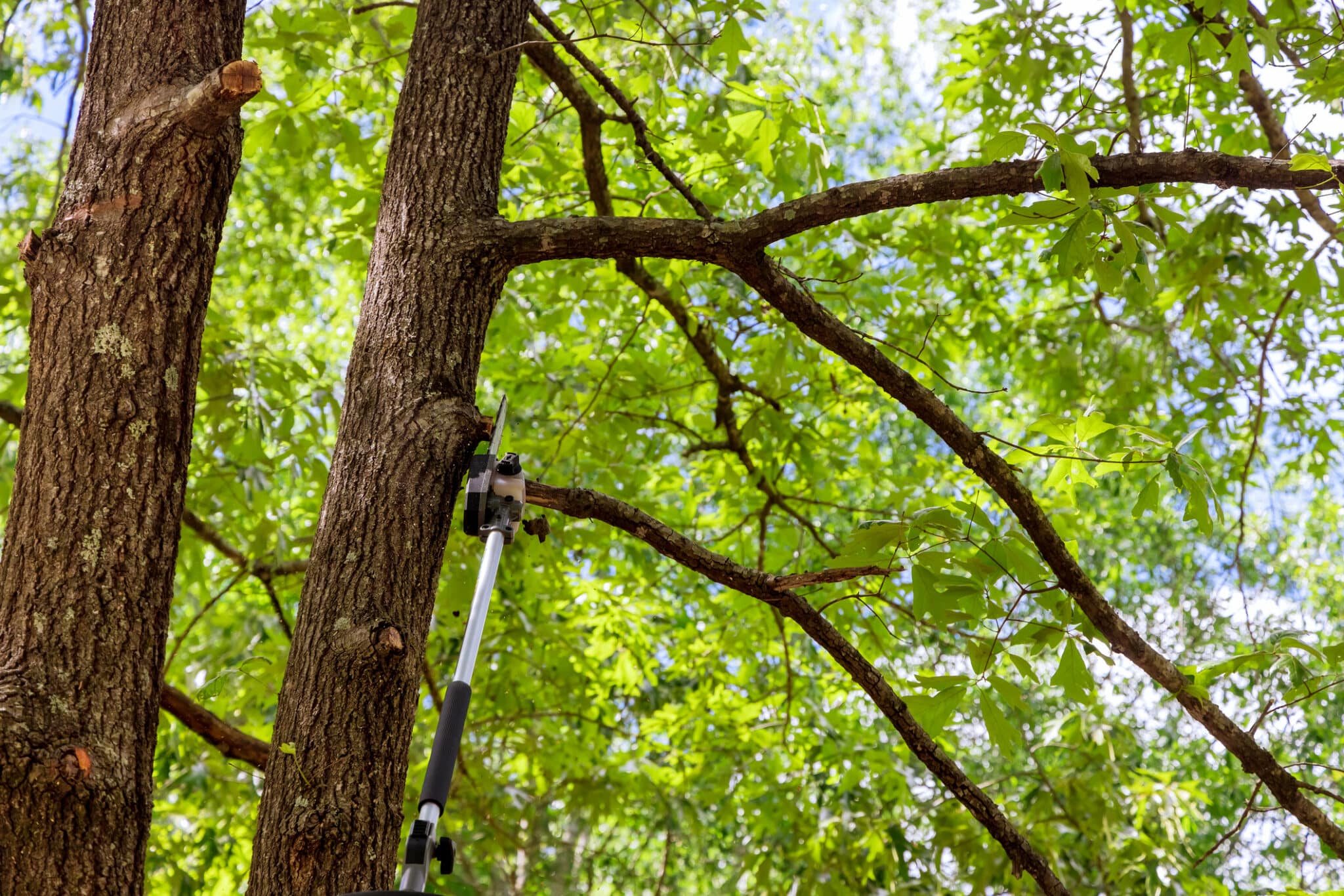
Precision Canopy Shearing that Protects Structure in Prosper
Key Takeaways About Precision Canopy Shearing
Precision canopy shearing is a selective pruning method that refines branch structure to lower wind exposure while preserving tree health. This summary is for homeowners and property managers who need to reduce storm risk near structures and decide when to call a pro.
- Identify crossing limbs and heavy scaffold branches for removal.
- Prevent excessive sail by preserving outer foliage layers.
- Avoid over-thinning that causes sunscald and epicormic growth.
- Spot warning signs like creaking cracks and fungal fruiting bodies.
- Reduce end weight by shortening long unbalanced limbs back.
- Plan staged reductions and follow up inspections for lasting results.
Introduction
Precision canopy shearing focuses on careful, selective cuts that shape branches and foliage without removing too much material. Homeowners often see over-thinned trees that expose trunks and roots to sun and wind. That over-thinning raises the sail effect and increases storm damage risk for nearby structures. In many yards the wrong pruning can make problems worse instead of safer.
Selective shearing reduces wind sail by keeping a dense, layered canopy where it matters most. Proper cuts remove crossing and inward-growing branches while preserving outer foliage for wind buffering. Trees near roofs and fences need this balance to protect siding and shingles from limb strike. Visible symptoms like leaning limbs and dense inner clutter often point to sail problems.
When done right, precision canopy shearing preserves tree health while lessening the chance of limbs failing toward a home. It lowers wind load without exposing the tree to sunscald or excessive moisture loss. Contractors use inspection findings to target problem areas instead of indiscriminate thinning. Many homeowners notice fewer falling twigs and less shade loss after careful work.
For properties in Prosper, TX and Midlothian, TX the consequences of poor pruning can include damaged gutters and blocked vents. A professional inspection looks at branch unions, decay signs, and branch weight distribution to confirm risk. If you hear creaking in storms or see branches rubbing, those are clear cues to act. Contact a qualified tree professional to assess risk and recommend targeted shearing that protects your structure.
What Precision Canopy Shearing Actually Does
Precision canopy shearing is a targeted pruning method that refines branch structure while protecting tree health and nearby buildings. Technicians use it to remove specific limbs that cause rubbing, crossing, or excess weight without stripping the outer foliage. Homeowners often ask whether shearing will harm their tree, when done correctly, it maintains shade and reduces risk to structures. This approach differs from blanket thinning because each cut supports the tree’s form and wind resistance.
- Remove crossing branches to stop future damage.
- Reduce end weight to limit limb failure.
- Preserve outer foliage to buffer wind.
- Target deadwood to improve safety.
Shearing refines the canopy by balancing inner density and outer coverage to limit sail without over-thinning the crown. Professionals look for crowded forks and long, heavy scaffold limbs and prune those selectively to shift load. A common homeowner question asks how this affects shade, proper cuts keep most canopy layers intact so shade remains. This method also reduces the chance of limbs striking roofs and gutters during storms.
Inspectors diagnose problem areas by observing branch unions, bark condition, and the distribution of foliage across the canopy. They may use a measuring tape to compare limb lengths and a visual check for decay or cracks at unions. If you notice creaking noises or sudden leaf loss, those signs prompt a closer assessment. For examples of careful cutting techniques and service descriptions, see the precision tree cutting information provided by professionals.
In Prosper, TX homeowners may see specific risks when trees grow close to homes, so targeted shearing helps maintain clearances without stripping trees bare. For properties in Midlothian, TX selective cuts can reduce debris in gutters and limit impacts on vents and roofs. A professional will confirm the right balance between removal and preservation during an on-site inspection. Always contact a qualified tree specialist if you see leaning limbs or hear structural creaks during storms.
How Selective Shearing Reduces Wind Sail
Selective cuts focus on removing specific sail-producing limbs while leaving protective outer foliage intact. A professional inspects limb length and orientation to decide which branches increase wind load. They avoid mass removal that strips the wind buffer and exposes the trunk to direct gusts. This preserves the canopy’s ability to slow and redirect wind around the tree rather than into it.
Technicians pay close attention to long, unbalanced scaffold limbs that act like sails in strong winds. They reduce end weight by shortening those limbs back to a lateral branch or union to lower leverage. This decreases the chance of sudden limb separation that can send debris toward homes or gutters. Homeowners often notice less swaying after these targeted reductions.
During the inspection, crews look for internal density patterns and uneven foliage that amplify sail on one side. Simple diagnostic checks include comparing canopy silhouette and checking branch unions for cracks or decay with a visual inspection. Professionals may test limb flexibility by gently applying pressure to assess how weight shifts during wind. For more on related pruning approaches that reduce wind risk without over-thinning, see the canopy thinning guidance often used alongside selective shearing.
In Prosper, TX properties that border open areas benefit from stepwise reductions rather than sudden heavy cuts to avoid creating new sail. For Midlothian, TX homes, maintaining layered foliage near roofs helps catch wind-driven debris before it reaches building surfaces. If you hear new creaks after a storm or spot fresh twig failures, contact a qualified arborist to confirm whether additional selective work is needed. A professional diagnosis prevents further damage and keeps trees stable near structures.
Why Over Thinning Damages Tree Health
Over-thinning reduces a tree’s ability to regulate temperature and moisture, exposing inner bark to sunscald and rapid moisture loss. When too many interior branches and smaller twigs are removed, the trunk receives direct sunlight that it is not acclimated to. This sudden exposure can cause bark cracking and increase susceptibility to insects and fungal entry points. Homeowners often notice discolored or peeling bark after aggressive pruning jobs.
Removing a large portion of foliage also disrupts carbohydrate storage and shoot growth, which weakens recovery after pruning. Trees rely on leaves for photosynthesis and rebuilding tissues, so heavy crown removal forces them to reroute energy into epicormic shoots. These water sprouts grow quickly but attach poorly, creating weak junctions that can fail later. A professional will warn against cutting more than a safe percentage of live canopy at once.
Excessive thinning can increase wind movement inside the crown, leading to greater limb rubbing and wound expansion over time. With fewer branches to break up gusts, remaining limbs take more force and may develop cracks at unions. Inspectors check for new wound discoloration, splitting bark, and decay pockets that indicate past over-thinning stress. For targeted strategies that reduce sail while protecting tree health, resources on shade sail reduction explain staged approaches and timing.
Professionals diagnose over-thinning by observing growth response, wound callus development, and the pattern of epicormic shoots across the crown. They use visual inspection, photos, and sometimes a moisture meter to assess decline or stress after heavy cuts. In Prosper, TX properties, slower callus formation after pruning is a common sign of stressed trees needing follow-up care. In Midlothian, TX yards, rapid sprout flush or increased insect activity often follows over-thinning and prompts corrective action.

Recognizing Warning Signs Of Unsafe Canopies
Look for sudden changes in branch posture such as a previously upright limb that now droops or leans toward the roof. Inspect attachment points for small cracks, dark staining, or cavities that suggest internal decay beneath healthy-looking bark. Watch for new or increased woodpecker activity which can indicate hidden rot near limbs that overhang structures. If you notice these signs, a professional can confirm risk through closer inspection methods before recommending cuts.
- Cracks at branch unions indicate weakened attachment.
- Fresh sawdust or fungal fruiting bodies show active decay.
- Unusual leaf drop on one limb may signal root or vascular issues.
- Repeated twig failures under similar loads reveal a structural pattern.
Another warning is an abrupt change in canopy symmetry where one side becomes noticeably thinner than the other after storms. A homeowner should check gutter lines and roof edges for consistent debris patterns tied to specific limbs. Professionals often use a visual inspection plus photos and a sounding test to compare hollow-sounding areas to solid wood. These simple diagnostic steps help determine if targeted selective work will reduce the chance of limb failure toward a house.
Small cracks in major scaffold branches sometimes show only after wet weather or freeze-thaw cycles that stress the wood. In Prosper, TX properties, pay attention when heavy rain follows drought because hidden decay can worsen quickly. For a systematic approach to reduce sail and confirm structural risks, resources on wind sail management explain assessment priorities and staged reductions. When in doubt, call a professional to perform a hands-on diagnosis rather than attempting high cuts yourself.
For Midlothian, TX homeowners, repeated creaking during seasonal winds signals that load distribution changed and may need correction. A pro will check load-bearing unions and may perform a simple pull test or apply gentle pressure to suspect limbs to assess movement. They document findings with photos and a written note to explain recommended selective shearing choices. Acting on documented warning signs helps protect the home while preserving tree structure and health.
When Homeowners Should Call A Professional
Call a professional when you observe persistent structural movement after multiple storms, as recurring shifts suggest underlying attachment failures. A technician will perform hands-on tests like gentle pull checks and sounding to confirm hollow areas. They will document findings with photos and a short written assessment to guide safe corrective work. This approach prevents homeowners from making large cuts that worsen structural instability.
Contact a pro if large scaffold limbs overhang roofing or HVAC units and you cannot access them safely from the ground. Professionals use rigging and controlled removal to protect shingles and equipment while reducing end weight on those limbs. They may recommend staged reductions instead of immediate heavy removal to preserve tree vigor. Homeowners should avoid ladder work near power lines and call a licensed crew instead.
If you detect new decay odors, fungal fruiting bodies, or frequent twig failures near the house, schedule an inspection promptly. The inspector will check major unions, measure limb diameters, and look for internal rot using visual and sounding methods. They may pair findings with a plan that uses selective cuts to reduce sail while keeping canopy function intact. This measured plan reduces risk to the home and encourages safer regrowth patterns.
When trees cause repeated gutter blockages or vent obstructions despite routine cleaning, a professional can evaluate canopy distribution and propose targeted adjustments. A certified crew can apply techniques such as the balanced cut trimming approach to reduce weight and sway while maintaining protective foliage. In Prosper, TX homeowners often prefer documented recommendations before scheduling work to compare options. In Midlothian, TX, property managers commonly request written scope and photos to approve selective shearing safely.
What Pros Check During Canopy Shearing
Pros start with a walk-around to map limb paths and clearances relative to roofs, gutters, and vents near the house. They note locations where branches overhang structures and measure distances to guide safe reductions. Technicians look for limbs that redirect water into gutters or that brush vents when windy. This visual mapping informs selective cuts that protect the building envelope without unnecessary loss of foliage.
Next, they inspect major branch unions for cracks, included bark, and signs of decay using a sounding tap and close visual checks. If decay appears likely, the pro records photos and may recommend reduced end weight rather than full removal. They check attachment angles and compare limb diameters to determine load distribution across the canopy. These findings shape a staged cutting plan focused on stability and longevity.
During shearing, crews monitor how each cut changes limb balance and wind exposure by stepping back and re-evaluating the canopy silhouette frequently. They avoid removing more than a safe percentage of live canopy in a single pass to prevent stress responses. Teams also preserve lateral branches that can take on load after a scaffold cut, maintaining structural redundancy. This on-the-job diagnosis helps prevent creating new sail problems while addressing existing ones.
Finally, after selective cuts, the crew documents changes with photos and a brief written note explaining decisions and next-step timing for follow-up care. They check nearby homeowners’ concerns, including any gutter debris patterns previously tied to problem limbs. For work that focuses on branch architecture and controlled reductions, professionals often reference methods described in selective tree pruning. For homeowners in Prosper, TX and managers in Midlothian, TX, this documentation supports future inspections and maintenance planning.
Practical Steps To Prepare Your Home For Shearing
Clear the immediate work area of toys, patio furniture, and planters so crews have safe ground access and clear sight lines. Remove lightweight items from roofs and gutters if reachable from the ground to avoid damage during limb lowering. Move vehicles to a safe location away from the drop zone and mark any buried irrigation heads before work begins. Inform neighbors about planned work if overhanging limbs cross property lines to reduce surprises and liability concerns.
- Trim shrubs near work zones to improve access.
- Cover HVAC units if directed by the crew.
- Secure pets indoors during operations.
- Keep children clear and supervised at all times.
Provide the crew with safe single-point access to your roofline if inspections require closer checks of vents and shingles. Let technicians know about attic odors or recent gutter backups so they can correlate canopy issues with building symptoms. If you have recent photos of limb strikes or roof debris, share them to speed diagnosis and work planning. A brief walkthrough with the crew saves time and helps prioritize selective cuts where they protect structures most.
Ask the crew to document their pre- and post-work observations, including any structural concerns found during a tree structure analysis. This record should include photos and notes on targeted cuts and suggested follow-up timing for minor repairs or staged reductions. Homeowners in Prosper, TX often use this documentation when scheduling seasonal maintenance around storms. Property managers in Midlothian, TX find written notes helpful when comparing options for long-term canopy care.

Long Term Care To Prevent Canopy Problems
Establish a regular inspection schedule to catch gradual canopy changes before they become hazards. Inspect seasonal growth patterns and document any new cracks, decay fruiting bodies, or shifting limb posture. Use photos and simple measurements to track changes year to year for informed decisions. A professional report can turn those observations into an actionable maintenance plan.
Include periodic minor reductions rather than large one-time cuts to control sail without stressing the tree. Staged reductions allow the tree to recover and redistribute load over time, reducing shock and epicormic sprouting. Coordinate timing with the tree’s growth cycle to encourage callus formation and minimize pest or disease entry. This approach preserves long-term canopy function and structure.
Plan follow-up care that combines pruning with root and soil attention to support structural resilience. Aeration, mulching, and targeted watering improve root health and reduce aboveground failure risk under wind loads. Professionals may recommend monitoring attachment points and recording results in a maintenance log. For deeper structural assessments, consider a review of tree structural integrity to guide long-term decisions.
Set expectations for seasonal debris and minor regrowth so homeowners know what maintenance looks like after precision canopy shearing. Regular small cleanups prevent gutters and vents from re-clogging without repeated heavy cuts that damage trees. Home managers in Prosper, TX should note changes after storms and report new concerns promptly. Property stewards in Midlothian, TX benefit from scheduled check-ins to keep canopy issues from escalating.
Frequently Asked Questions
How does precision canopy shearing reduce wind sail risk?
Precision canopy shearing trims select branches to lower the tree’s effective sail area and reduce wind force on the crown. By removing crossing and outward-facing limbs, crews balance foliage and shift wind loads away from structures. Technicians inspect branch unions, canopy density, and anchor roots to confirm reduced sail and overall stability. Because pruning near roofs and power lines carries risk, hire a professional to perform these cuts safely.
Will selective shearing preserve my tree’s shade and health?
Yes. Selective shearing targets crossing, crowded, and wind-exposed limbs while keeping the live leaf area that provides shade. Precision canopy shearing preserves photosynthetic leaf mass and reduces sail without over-thinning when done to species-specific rules. Because work often requires climbing and power tools, use a professional to avoid injury and accidental canopy damage.
What signs show a limb needs targeted reduction now?
Lean or rubbing limbs that touch the roof, gutters, or siding need targeted reduction to prevent damage and moisture buildup. Cracked or split limbs, visible decay, or fungal fruiting bodies indicate structural weakness and higher failure risk during storms. Rapidly growing branches that suddenly increase sail and shift wind load warrant selective cuts to reduce stress on trunks and nearby structures. If a limb is large, cracked, or over the house, exercise caution and hire a professional qualified in precision canopy shearing to reduce risk.
How do pros diagnose sail issues before cutting?
A pro begins with a visual survey of the tree, looking for lean, asymmetric branch mass, and trunk wounds that increase sail risk. They check branch attachment angles, decay, and canopy density while noting nearby structures and rooflines. Technicians may use a moisture meter or binoculars for crown inspection and measure wind exposure and branch length to estimate sail effect. If risk appears medium or high, caution applies and you should hire a professional for Precision canopy shearing and safe removal of hazardous limbs.
Can precision canopy shearing protect roofs and gutters?
Precision canopy shearing reduces branches that overhang roofs and gutters, lowering leaf and debris accumulation that causes clogs. By thinning sail and redirecting limb weight, crews reduce storm-driven branch contact with shingles and fascia. A trained arborist inspects attachment points, branch unions, and crown balance to confirm work protects the roof structure. If branches are near wiring or high above the roof, exercise caution and hire a professional to avoid fall and electrical hazards.