

Pathogen Barrier Pruning to Limit Disease Spread
Healthy trees are vital for beautiful landscapes and safe properties in Arlington, TX. Pathogen barrier pruning is a proven method to limit the spread of tree diseases. This approach uses sanitation cuts, proper spacing, and tool disinfection to protect your trees. Residents in Weatherford, TX, also benefit from these careful techniques.
Tree diseases can quickly spread if not managed with expert care. Pathogen barrier pruning creates a protective shield, stopping infections from moving between branches. Using sanitized tools and strategic cuts, arborists reduce the risk of cross-contamination. These steps are essential for maintaining strong, thriving trees in our region.
Spacing is another key factor in pathogen barrier pruning. By removing crowded branches, airflow improves and disease has less chance to spread. This method is especially important in dense urban areas like Mansfield, TX. Well-spaced branches allow sunlight and wind to reach every part of the tree.
Tool disinfection is crucial for effective pathogen barrier pruning. Dirty tools can carry disease from one tree to another, making problems worse. Regularly cleaning equipment helps keep your landscape healthy and attractive. Trusting professionals ensures every cut supports the well-being of your trees.

Understanding Tree Diseases and Their Spread
Tree diseases often begin with invisible spores or bacteria that enter through wounds or weakened areas on branches. These pathogens can spread rapidly, especially in humid conditions common to Weatherford, TX. Without intervention, infections may move from one tree to another, impacting entire landscapes. Early detection and prompt action are essential to stop this process.
Pathogen barrier pruning targets the areas most vulnerable to infection. By removing diseased or damaged limbs, arborists create a physical separation between healthy and affected parts. This method limits the chance for pathogens to travel along branches or through the canopy. Proper pruning also helps trees recover faster and resist future threats.
Sanitation cuts are a core part of pathogen barrier pruning. Each cut is made with clean, disinfected tools to prevent spreading disease between trees. This practice is especially important in residential areas like Mansfield, TX, where trees grow close together. Clean cuts heal more efficiently, reducing entry points for harmful organisms.
Tool disinfection supports every step of the pruning process. Arborists carefully clean saws, pruners, and loppers after each use to remove lingering pathogens. This attention to detail helps maintain healthy trees throughout Arlington, TX, and beyond. Consistent sanitation practices protect both individual trees and the surrounding landscape.
What is Pathogen Barrier Pruning?
Pathogen barrier pruning is a specialized technique that focuses on stopping disease before it spreads throughout your trees. This method involves identifying infected or weak branches and removing them with precision. By creating intentional gaps, arborists prevent pathogens from moving between healthy and affected areas. The result is a stronger, more resilient tree that can withstand local challenges.
Unlike routine trimming, pathogen barrier pruning requires careful planning and expert knowledge. Arborists assess the tree’s structure and identify zones where disease might travel. Targeted cuts are made to establish clear separation between healthy and infected tissue. This approach helps trees in Weatherford, TX, recover quickly and stay healthy longer.
Sanitation is a defining feature of pathogen barrier pruning. Every tool used is thoroughly disinfected before and after each cut. This strict process stops diseases from spreading to other trees or parts of the same tree. Residents in Mansfield, TX, benefit from these professional standards, which keep their landscapes beautiful and safe.
Proper spacing is also integral to this pruning method. Removing crowded branches allows more sunlight and air to reach the canopy. Improved airflow reduces moisture, making it harder for fungi and bacteria to thrive. Pathogen barrier pruning supports lasting tree health and vibrant landscapes across North Texas.
The Importance of Sanitation Cuts
Sanitation cuts are a vital part of pathogen barrier pruning, ensuring each removal supports the tree’s health. By cutting away infected or dead wood, arborists create a clear boundary between healthy and diseased tissue. This technique stops the spread of harmful organisms and reduces future infection risks. Trees in Weatherford, TX, benefit from these targeted, professional cuts.
Each sanitation cut must be precise and made with clean, disinfected tools. This prevents pathogens from transferring between branches or even between trees during the process. The careful removal of affected areas allows the tree to heal quickly and regain strength. Pathogen barrier pruning relies on these clean cuts to maintain a healthy landscape.
Arborists assess each branch before making a sanitation cut, looking for signs of disease or weakness. They remove only what is necessary, preserving the tree’s natural structure and vitality. These decisions require expertise and a deep understanding of tree biology. In Mansfield, TX, skilled professionals ensure every cut supports the tree’s long-term health.
Sanitation cuts also help prevent wounds from becoming entry points for new infections. By using proper techniques, arborists reduce stress on the tree and promote faster recovery. Pathogen barrier pruning, when done correctly, strengthens your trees against future threats. This method keeps your property safe and your landscape looking its best year-round.
Proper Spacing Techniques for Disease Prevention
Proper spacing is a critical part of pathogen barrier pruning, helping trees resist disease and stay healthy. By removing crowded branches, arborists improve airflow and sunlight penetration throughout the canopy. This reduces moisture, making it harder for fungi and bacteria to thrive. Trees in Weatherford, TX, benefit from these thoughtful pruning techniques.
Arborists assess each tree’s unique structure before making spacing cuts. They identify areas where branches compete for space or block light and air. Strategic removal of select limbs creates natural gaps, which act as barriers against disease movement. This method supports the tree’s overall strength and resilience.
Pathogen barrier pruning also prevents branches from rubbing together, which can create wounds and entry points for pathogens. Well-spaced limbs are less likely to break or become damaged during storms. This proactive approach limits the spread of disease and supports long-term tree health. Residents in Mansfield, TX, see lasting results from these expert practices.
Consistent spacing cuts, combined with sanitation, offer the best protection for your landscape. Each decision is based on the tree’s needs and environmental factors. Pathogen barrier pruning creates healthier, more attractive trees that withstand local challenges. Trusting skilled professionals ensures your property remains safe and beautiful year-round.
Tool Disinfection Best Practices
Tool disinfection is essential for effective pathogen barrier pruning and helps keep your trees safe from disease. Arborists use a strict cleaning routine, disinfecting pruners, saws, and loppers before and after each use. This process removes harmful pathogens that could spread between branches or trees. Trees in Weatherford, TX, benefit from these careful practices.
A clean tool ensures each cut supports the health of your landscape. Disinfection solutions are applied thoroughly, reaching every surface that contacts wood or bark. This attention to detail is a key part of pathogen barrier pruning and prevents cross-contamination. The result is a healthier, more resilient tree canopy.
Arborists in Mansfield, TX, follow industry standards for tool sanitation during every pruning job. They inspect tools for residue and make sure all equipment is ready before starting work. This level of care protects your trees from new infections and supports long-term growth. Pathogen barrier pruning relies on these best practices to limit disease spread.
Regular tool cleaning also improves the quality of every pruning cut. Sharp, sanitized blades reduce stress on the tree and allow for faster healing. By combining tool disinfection with proper spacing and sanitation cuts, arborists deliver lasting results. Your trees remain healthy and attractive, even in challenging environments.
When and How to Perform Pathogen Barrier Pruning
Knowing when to perform pathogen barrier pruning is key to protecting your trees from disease. The best time is during dormancy, before new growth emerges in spring. This timing reduces stress and limits the risk of spreading infections. Arborists assess each tree’s condition to determine the ideal moment for pruning.
Pathogen barrier pruning begins with a thorough inspection for signs of disease or weakness. Professionals identify affected branches and decide where to make sanitation cuts. Each cut is made with disinfected tools to avoid cross-contamination. This careful approach helps trees in Weatherford, TX, recover quickly and remain healthy.
Proper technique is essential for effective pathogen barrier pruning. Arborists remove only what is necessary, preserving the tree’s structure and natural beauty. Spacing cuts are made to improve airflow and sunlight penetration throughout the canopy. These steps create a strong barrier that limits disease movement within the tree.
After pruning, cleanup is just as important as the cuts themselves. All debris is removed to prevent lingering pathogens from reinfecting the tree. Tools are disinfected again to prepare for future use. Homeowners in Mansfield, TX, benefit from these expert practices, which keep landscapes safe and thriving.
Common Mistakes to Avoid in Pathogen Barrier Pruning
Avoiding common mistakes is crucial for successful pathogen barrier pruning. One frequent error is neglecting to disinfect tools between cuts, which can spread disease from branch to branch. Arborists in Weatherford, TX, know that thorough cleaning is essential for every step. Skipping this process can undermine even the most careful pruning efforts.
Another mistake is making improper cuts that leave stubs or damage the bark. These wounds create entry points for pathogens and slow the tree’s recovery. Proper technique ensures clean cuts that heal quickly and reduce infection risks. Pathogen barrier pruning relies on accuracy and attention to detail for the best results.
Over-pruning is also a risk, especially when trying to control disease. Removing too many branches can stress the tree and weaken its natural defenses. Arborists in Mansfield, TX, assess each tree’s needs before making decisions. Balanced pruning supports long-term health and helps maintain a strong, resilient canopy.
Failing to remove all infected debris after pruning is another common oversight. Leftover branches or leaves can harbor pathogens and lead to reinfection. Prompt cleanup is a vital part of pathogen barrier pruning. This thorough approach keeps your landscape healthy and limits disease spread throughout your property.
Benefits of Pathogen Barrier Pruning for Tree Health
Pathogen barrier pruning offers significant benefits for the long-term health of your trees. This method strengthens natural defenses, allowing trees to recover faster from disease and environmental stress. By targeting infected areas and creating proper spacing, arborists help trees maintain their structure and vitality. The result is a landscape filled with robust, thriving trees that enhance your property.
Improved airflow and sunlight are direct results of pathogen barrier pruning. These conditions make it harder for harmful fungi and bacteria to survive in the canopy. Trees in Weatherford, TX, show better growth and fewer disease outbreaks after professional pruning. Healthier trees also resist future infections more effectively.
Another benefit is the reduction in costly tree loss or removal. By stopping disease early, pathogen barrier pruning preserves mature trees and prevents widespread damage. Homeowners in Mansfield, TX, enjoy safer properties and more attractive landscapes thanks to these preventive measures. Investing in expert pruning saves time and resources in the long run.
Pathogen barrier pruning also supports overall ecosystem health. Strong, healthy trees provide shade, improve air quality, and create habitats for local wildlife. This proactive approach ensures your landscape remains vibrant and resilient through changing seasons. Trusting professionals with this specialized pruning keeps your trees beautiful and disease-free.

Frequently Asked Questions
What is pathogen barrier pruning in disease management?
Pathogen barrier pruning is a targeted tree care method that removes infected branches to stop diseases from spreading further. By creating physical gaps between healthy and diseased areas, this technique limits contact and infection risk. Proper sanitation cuts and disinfected tools play a crucial role in maintaining tree health during pathogen barrier pruning. As a result, this approach helps preserve the overall vitality of trees in your Arlington, TX landscape.
How does pathogen barrier pruning help limit disease spread?
Pathogen barrier pruning removes infected limbs, which stops harmful organisms from moving to healthy parts of the tree. By making clean cuts and spacing branches, this method reduces contact between diseased and healthy tissue. Disinfecting tools after each cut further lowers the chance of spreading infections. Consistent pathogen barrier pruning keeps your Arlington, TX trees healthier and more resilient against disease.
When is the best time to perform barrier pruning on trees?
The best time for pathogen barrier pruning is during a tree’s dormant season, usually in late fall or winter. Pruning while trees are inactive reduces stress and lowers the risk of spreading disease. Avoid pruning during wet or humid weather, as these conditions favor pathogen growth. Timely pathogen barrier pruning supports healthier trees throughout Arlington, TX landscapes.
What tools are needed for effective pathogen barrier pruning?
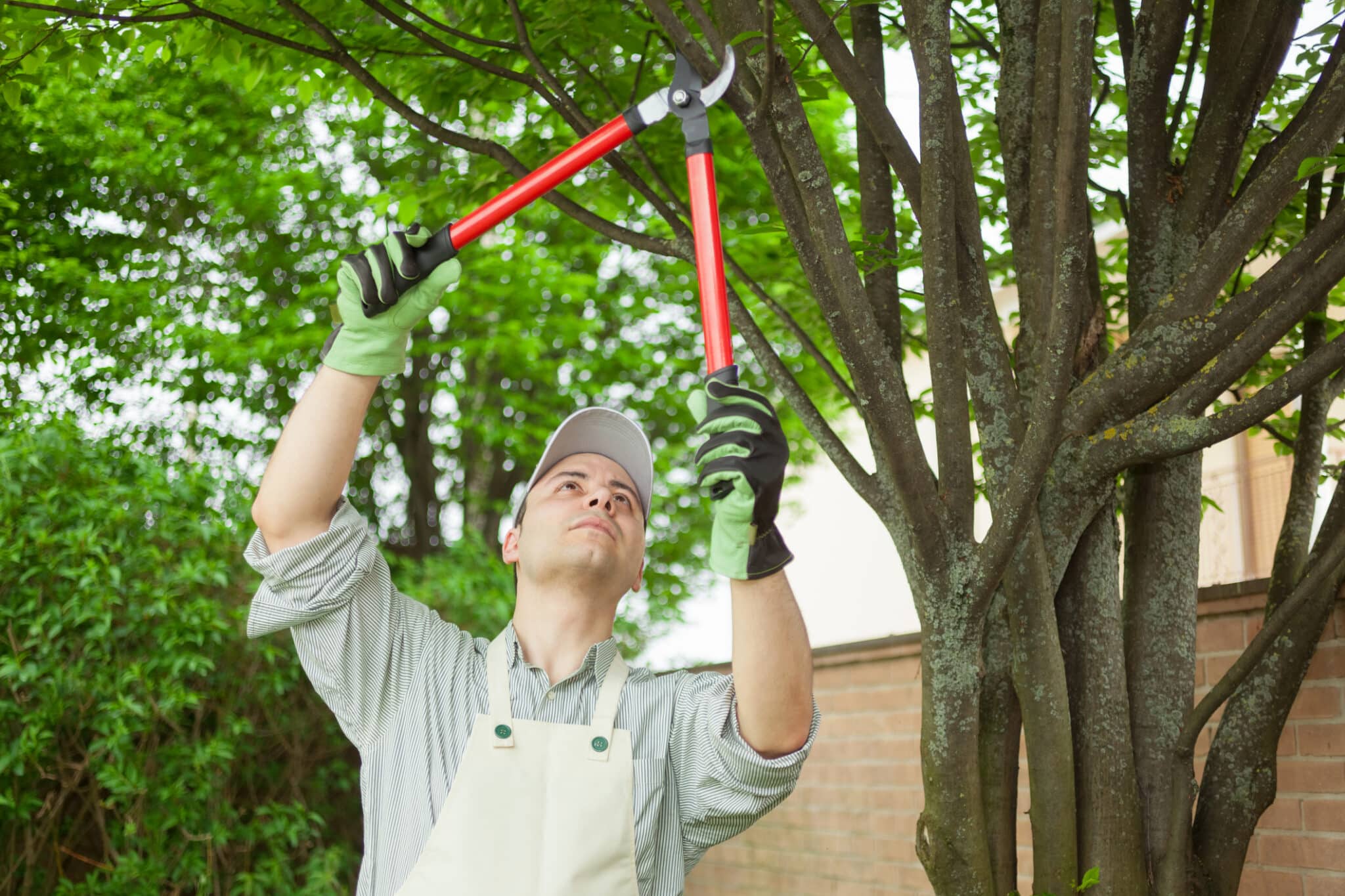
For effective pathogen barrier pruning, use sharp bypass pruners, loppers, and a pruning saw for thicker branches. Always disinfect your tools between each cut to prevent transferring pathogens from one area to another. Choose sturdy gloves and safety glasses to protect yourself during the pruning process. These essential tools help ensure precise cuts and support healthy trees across Arlington, TX.
Can pathogen barrier pruning prevent all types of plant diseases?
Pathogen barrier pruning greatly reduces the risk of many diseases, but it cannot prevent every possible infection in trees. Some pathogens spread through soil, insects, or air, making complete prevention impossible with pruning alone. Combining pathogen barrier pruning with proper watering, fertilization, and monitoring offers the best protection for your Arlington, TX trees. Regular care and early intervention help maintain tree health and limit the impact of potential diseases.