


Poolside Canopy Trim Ideas for Breezier Backyards in Dallas
Key Takeaways About Poolside Canopy Trim
Poolside canopy trim is targeted pruning that reduces litter and shapes airflow over pool areas. This guidance helps homeowners and property managers plan trimming around peak seasons and maintenance needs.
- Identify problem limbs that drop leaves onto the pool surface.
- Prevent concentrated debris by creating slot like breeze channels.
- Avoid large single session removals to reduce tree stress.
- Spot decay signs with probes photos and professional inspection.
- Reduce skimmer clogs by thinning inner branches toward windward sides.
- Plan phased follow ups to monitor healing and airflow changes.
Introduction
Poolside canopy trim matters when trees drop leaves and needles into your pool, clogging filters and creating algae risks. Shade and wind combine differently over water, changing evaporation and comfort for swimmers. Incorrect cuts can stress branches and invite decay or pest problems that spread toward the pool. Homeowners often notice extra skimming and chemical use before they spot the trimming issue.
Good trim patterns reduce falling debris while keeping enough canopy to block harsh midday sun. They also open specific breeze paths to cool the pool area without stripping the tree of too much foliage. If wind funnels through the yard, loose branches can strike decking and pool equipment. Observing where debris accumulates helps identify which limbs affect pool cleanliness most.
Professional diagnosis focuses on tree health and structural balance as much as debris control. Arborists check branch attachment, leaf density, and possible decay with visual inspection and sometimes a moisture meter or probe. They look at canopy shape, limb weight, and how branches move in typical wind patterns near the pool. This prevents making cuts that relieve one problem while creating a bigger safety issue.
Properties in Dallas, TX and Midlothian, TX face summer heat that makes shade and airflow particularly important for outdoor comfort. Left unchecked, poor trimming can increase maintenance and shorten the life of pool equipment and finishes. Correct canopy work aims for cleaner water, safer limbs, and comfortable shade without weakening the tree. When risks exist, call a qualified tree professional to inspect and recommend targeted trimming.
How Poolside Canopy Trim Reduces Pool Debris
Poolside canopy trim is targeted cutting to reduce leaves and needles that fall into and around a pool.
- Remove small dead twigs near the pool.
- Thin inner branches to reduce leaf density.
- Create deliberate gaps for wind passage.
- Lift lower limbs away from decking and equipment.
Targeted cuts lower the volume of debris that reaches pool skimmers and filters, reducing cleaning time. Homeowners often ask whether trimming really cuts down on algae risk, and the answer is yes because less organic matter lowers filter load. Professionals confirm results by checking skimmer clogs and accumulated debris after targeted work to measure improvement. In a common situation, a homeowner notices less leaf build-up near the skimmer and reports fewer filter backwashes.
Strategic thinning opens breeze paths that sweep floating debris toward a single skimmer instead of across the entire pool. Technicians inspect canopy movement and note which limbs cast leaf shadows that drop directly into the water during prevailing wind events. They may use a simple hand saw for small cuts and a pole pruner to adjust mid-canopy branches safely. Recorded photos and a short written report help homeowners see which cuts produced the best debris reduction.
Trimming patterns also protect pool equipment by redirecting falling material away from pumps and heaters located near the pool. For properties in Dallas, TX and Midlothian, TX, reducing debris can lower chemical use and protect finishes exposed to sticky residue. If the tree shows signs of decay or the branch attachments look weak, a professional assessment is necessary to avoid creating hazards. See the approach called canopy edge finesse for an example of focused trimming that balances debris control with tree health.
Why Overhanging Branches Create Wind Shadows
Overhanging branches block and redirect wind, creating calm zones where leaves and pollen settle into the pool. When large limbs form a continuous edge, they act like a wall that reduces airflow speed across water. Homeowners often see concentrated debris near downwind edges or in corners where wind slows abruptly. Diagnosing this starts by observing where floating material gathers during different wind directions.
A professional inspects limb orientation and canopy density to map wind shadows and identify which branches cause blockage. They watch canopy movement in a soft breeze and note which limbs stop airflow toward the pool. Tools like a simple flag or ribbon and photos taken during wind events help document problem areas for planning cuts. Recorded observations guide selective thinning without removing necessary shade.
Cut placement focuses on creating slot-like gaps and staggered openings so wind passes gently instead of stopping suddenly at the canopy edge. Small lateral cuts and selective thinning near the windward side encourage airflow while keeping overhead shade intact. Arborists may refer to targeted approaches such as canopy airflow boost to shape openings that channel breeze across the pool. These patterns reduce leaf settling and keep shade where people want it most.
In a common situation, a homeowner notices heavy debris accumulation on one pool skimmer during afternoon southerly winds and increased filter pressure. The professional would mark problem limbs, test canopy movement, and perform measured thinning to open the breeze path. After trimming, they recheck skimmer load and take photos or notes for follow-up. For properties in Dallas, TX and in Midlothian, TX this process prevents concentrated buildup and preserves tree strength for long-term poolside comfort.
Best Canopy Trim Patterns For Open Breeze Paths
Start with slot cuts placed high in the canopy to create narrow wind channels that move air across the pool without removing broad shade. These slots let breezes carry floating debris toward a single skimmer instead of across the entire surface. A professional will space slots based on branch spacing and prevailing wind direction observed during inspection. For properties in Dallas, TX this tactic often reduces corner buildup without stressing major limbs.
Use staggered thinning on alternating scaffold branches to prevent a solid edge that blocks airflow while keeping sun protection during midday. Staggering preserves safe branch attachments and avoids concentrating weight on a few leaders. During diagnosis, an arborist inspects attachment points and limb taper to choose which scaffold branches to thin. This approach also helps maintain canopy balance and long-term structural stability.
Combine selective lift cuts near pool equipment and decking to clear low sweeping branches while retaining mid-level shade for swimmers and loungers. Lift cuts should target secondary branches rather than primary scaffolds to avoid large wounds. A professional may test limb movement and take photos before and after cuts to confirm improved airflow paths. Properties in Midlothian, TX with narrow yards benefit from this targeted vertical clearance technique.
Consider the skyline windowing method for openings that act like windows to channel breeze while keeping the canopy visually continuous. This method creates framed gaps without aggressive thinning and keeps the tree’s overall silhouette intact. During a diagnostic visit, the technician marks window locations, checks for decay, and measures how air moves through each planned opening. After work, recorded photos and a short report show how the pattern improved poolside airflow and reduced localized debris.
When To Call Professionals For Poolside Canopy Trim
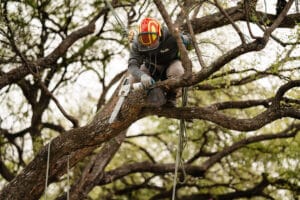
If branches show decay signs, fungal fruiting bodies, or loose attachments near the pool, bring in a professional quickly. A certified arborist evaluates structural integrity, records photos, and uses a probe or moisture meter to check internal decay. They will recommend removal or targeted cuts when a limb poses a drop risk to swimmers, decking, or equipment. For homeowners in Dallas, TX this assessment reduces sudden failures that simple DIY checks might miss.
- Visible cracks in branch collars require professional inspection.
- Repeated large limb drop events need structural pruning plans.
- Close proximity to pool equipment calls for cautious lift cuts.
- Significant crown thinning should be planned by a pro.
Call a professional when previous cuts left large open wounds or decay that spreads toward the pool area. They will inspect wound size, check for wood-boring insect signs, and measure deadwood percentage in the crown. A technician documents findings and suggests cutting sequences that maintain balance and avoid root stress. This prevents creating hazardous weight imbalances that could increase limb failure risk.
If wind funnels intensify or skimmer clogs persist after minor pruning, schedule a diagnostic visit focused on airflow and canopy patterns. The pro will observe canopy movement, mark offending limbs, and test proposed slot placements before making large cuts. They may recommend phased work using the canopy thinning approach to monitor effects while preserving shade. For properties in Midlothian, TX a phased plan allows adjustments across seasons without stressing trees.
How To Trim Without Stressing Trees Or Roots
Start cuts that remove small competing branches close to the trunk to reduce canopy weight without shocking the tree. Make pruning wounds no larger than two to four inches when possible to help faster compartmentalization. A professional checks branch bark ridge and branch collar before cutting to preserve natural defenses and avoid torn tissue. For homeowners in Dallas, TX, careful collar-aware cuts reduce long-term decay risk near poolside trees.
Use gradual crown reduction rather than large single-session removals to limit root stress and carbohydrate loss. Spread significant reductions over multiple seasons so roots maintain energy and the tree avoids rapid decline. An arborist may record photos and measure crown loss percentage at each visit to track recovery. In a common situation, a homeowner notices reduced leaf flush after an aggressive cut and calls a pro to plan staged follow-ups.
Lift low limbs with precise skirt lift techniques that clear walkways and equipment while keeping living wood intact, this preserves shade without heavy crown removal. Professionals commonly follow the method detailed in skirt lift to elevate low branches to maintain branch health and avoid large wounds. Inspectors also watch root zone activity and avoid cutting roots within the critical root zone to prevent stability problems. When roots look compacted or exposed near paving, contact a specialist before further trimming or soil work in Midlothian, TX.
After pruning, monitor the tree for reduced vigor, resprouting patterns, or dieback to confirm the work did not provoke stress. A professional diagnosis includes checking leaf color, new shoot growth, and photosynthesis indicators during follow-up visits. Simple tools like a moisture meter, probe, and photos document recovery and help plan any corrective pruning. If signs of decline appear, schedule a detailed assessment with local experts in tree trimming in Dallas via their diagnostic service.
Seasonal Timing And Maintenance For Debris Control
Plan trimming tasks around the tree’s active growth periods to minimize stress and debris spikes after cuts. Late winter to early spring often allows trees to heal before heavy leaf drop, but exact timing depends on species and local climate. A professional inspects bud set and bark condition to pick ideal trim windows and avoids large removals before extreme heat. For properties in Dallas, TX coordinate trimming outside peak summer heat to reduce shock and water stress.
Follow-up maintenance matters as much as the initial cut because fallen small twigs and flush regrowth can increase pool debris. Schedule light maintenance visits in the season after major trimming to remove resprouts and to check slot openings remain effective. During these follow-ups, an arborist records photos and measures new growth to decide if further thinning is necessary. Midlothian, TX homeowners often benefit from scheduled checks during seasonal leaf changes to keep debris control steady.
Inspect repaired wounds and compartmentalization at set intervals to watch for decay or secondary issues that might add debris later. A professional will probe suspect areas and take photos to document healing, looking for discoloration or soft wood that indicates failure. If decay shows, targeted removal of those sections prevents sudden branch drop into the pool and limits long-term debris sources. Use an overhang control approach when planning repeat visits to keep pool clear while protecting tree structure by removing only necessary material.
Simple homeowner maintenance between professional visits helps maintain results and limits small debris from reaching pool equipment or skimmers. Remove loose material from decking and clean skimmer baskets weekly during heavy shed periods to reduce strain on filters and pumps. Watch for changes in debris patterns after storms and report increased loads to your pruning professional for a focused diagnostic visit. Regular coordination with your arborist and scheduled seasonal care keeps poolside canopy trim effective over time.
Low Maintenance Planting And Hardscaping Alternatives
Choose plants that drop minimal litter near pool edges to cut maintenance and keep filter loads low. Opt for evergreen shrubs with small leaves or ornamental grasses that shed infrequently. Use root-friendly groundcovers to reduce exposed soil and prevent blown debris from collecting on decking. For properties in Dallas, TX select species known to tolerate local heat while staying compact and low-shedding.
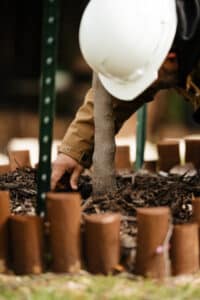
- Install gravel beds around trunk zones to catch falling debris.
- Use permeable pavers to limit soil tracking into the pool area.
- Plant low-shedding hedges as visual screens without heavy leaf drop.
- Add mulch rings to reduce wind-blown dirt near pool skimmers.
Place hardscaping features to interrupt airflow paths that carry leaves onto the water without creating new wind shadows. Short retaining walls and raised planters can redirect light breezes while preserving open airflow across the pool. Position features to funnel debris toward a single, accessible skimmer for easier cleaning. For Midlothian, TX yards, compact hardscape layouts often outperform scattered beds in debris management.
When combining planting and paving, keep tree root zones clear to avoid stressing mature trees during installation. Use flexible edging and avoid deep excavation within the critical root zone to protect stability and water uptake. A professional can inspect roots and recommend trenchless edging or surface-mounted options when installing hardscape near large trees. Documented photos and a brief plan help confirm minimal root impact before work begins.
DIY Safety Steps For Homeowners Managing Canopy Trim
Start by assessing hazards before any cuts near a pool: check for loose deadwood, power lines, and unstable ladders. Wear eye protection, gloves, and a hard hat when using saws or pole pruners near water surfaces. Keep electrical tools well away from wet decking and use battery-powered equipment to reduce shock risk. If you smell gas or see damaged utilities, stop work and call a professional immediately.
Establish a clear exclusion zone around the pool and mark it with cones or rope so bystanders stay safe during trimming. Position a spotter to watch for falling limbs and to communicate with the cutter using clear hand signals. Move pool furniture, floats, and covers out of the drop zone to protect finishes and prevent debris from entering the water. Dry off tools and store them in a shaded area to prevent heat damage between cuts.
For trees requiring directional shaping to steer debris and airflow, plan cuts that guide branch fall away from the pool and skimmer area. Use controlled small cuts with a pole pruner or hand saw rather than large pruning saws to limit wound size and reduce forceful limb falls. When a branch is heavier than you expect, pause and reassess using a lowering line or call for a two-person lift technique. Consider professional directional trimming methods demonstrated by specialists when branches cross critical pool zones, and review examples of directional trimming for safe approaches.
Watch for signs a tree needs professional care, such as fungal fruiting bodies, deep cracks, or visible root heave near decking or equipment. In a common situation, a homeowner may hear creaks or notice sudden leaf browning, prompting a diagnostic visit to check branch attachments and wood firmness. A pro will use simple tools like a moisture meter and probe to confirm decay and provide a written recommendation. If risks extend over the pool, schedule professional removal or targeted pruning rather than attempting large cuts yourself.
After work, inspect cut edges for clean closure and remove all debris from skimmer intakes and pump pads to prevent filter overload. Keep an eye on regrowth patterns for several weeks, rapid sprouting near cuts may require a follow-up light pruning to maintain airflow paths. For properties in Dallas, TX and in Midlothian, TX, coordinate seasonal follow-ups to monitor healing and debris reduction. If you feel unsure at any step, prioritize safety and call a qualified arborist for guidance.
Frequently Asked Questions
How does poolside canopy trim reduce debris in my pool?
Poolside canopy trim reduces debris by opening gaps above the pool so wind carries leaves and needles past the water. Trimming lower limbs and thinning interior branches drops fewer fragments directly over the surface. Technicians inspect branch attachments and pruning cuts to avoid stressing trees and encourage proper regrowth. If branches are near power lines or large removals are needed, hire a professional for safety and correct pruning technique.
When should I schedule poolside canopy trim for best airflow?
Schedule poolside canopy trim in late winter or early spring before leaf-out to open breeze paths and limit spring debris.
Trimming then reduces summer litter and helps pools stay clearer during high-use months.
Avoid heavy pruning in hot summer, heat stress can weaken trees and increase safety risks, so call a pro.
A certified arborist will inspect branch structure, identify targets near the pool, and confirm pruning timing and safety equipment needs.
Which trimming patterns create breeze paths without overcutting?
Use crown thinning along the windward side to open continuous channels for air while keeping the upper canopy intact. Selective limb removal toward the pool creates clear paths without removing major scaffold branches or causing imbalance. Create layered openings by trimming lower limbs and small inner branches to let breezes pass while preserving shade. Caution: improper cuts can stress trees and create hazards, so hire a professional arborist for any significant Poolside canopy trim near pools.
Can poolside canopy trim protect pool equipment and decking?
Yes. Thoughtful poolside canopy trim reduces leaves and seed pods that clog filters, pumps, and skimmers around decking. It also opens breeze paths to dry wet surfaces faster, cutting mold and slip risks, but improper cuts can stress trees and create falling-branch hazards. For safety and equipment protection, hire a professional arborist to inspect tree structure and perform targeted thinning.
How do professionals diagnose canopy issues near a pool?
A pro starts with a visual inspection of the canopy line, looking for dead limbs, dense crowns, and branches over the pool. They check tree health by probing bark, noting fungus, leaf discoloration, and sap flow to spot stressed specimens. Technicians assess airflow and debris patterns around the pool, observing wind paths, accumulation points, and shade coverage during different times. If climbing or heavy cuts are needed, they caution about safety and recommend hiring an insured professional for the work.