

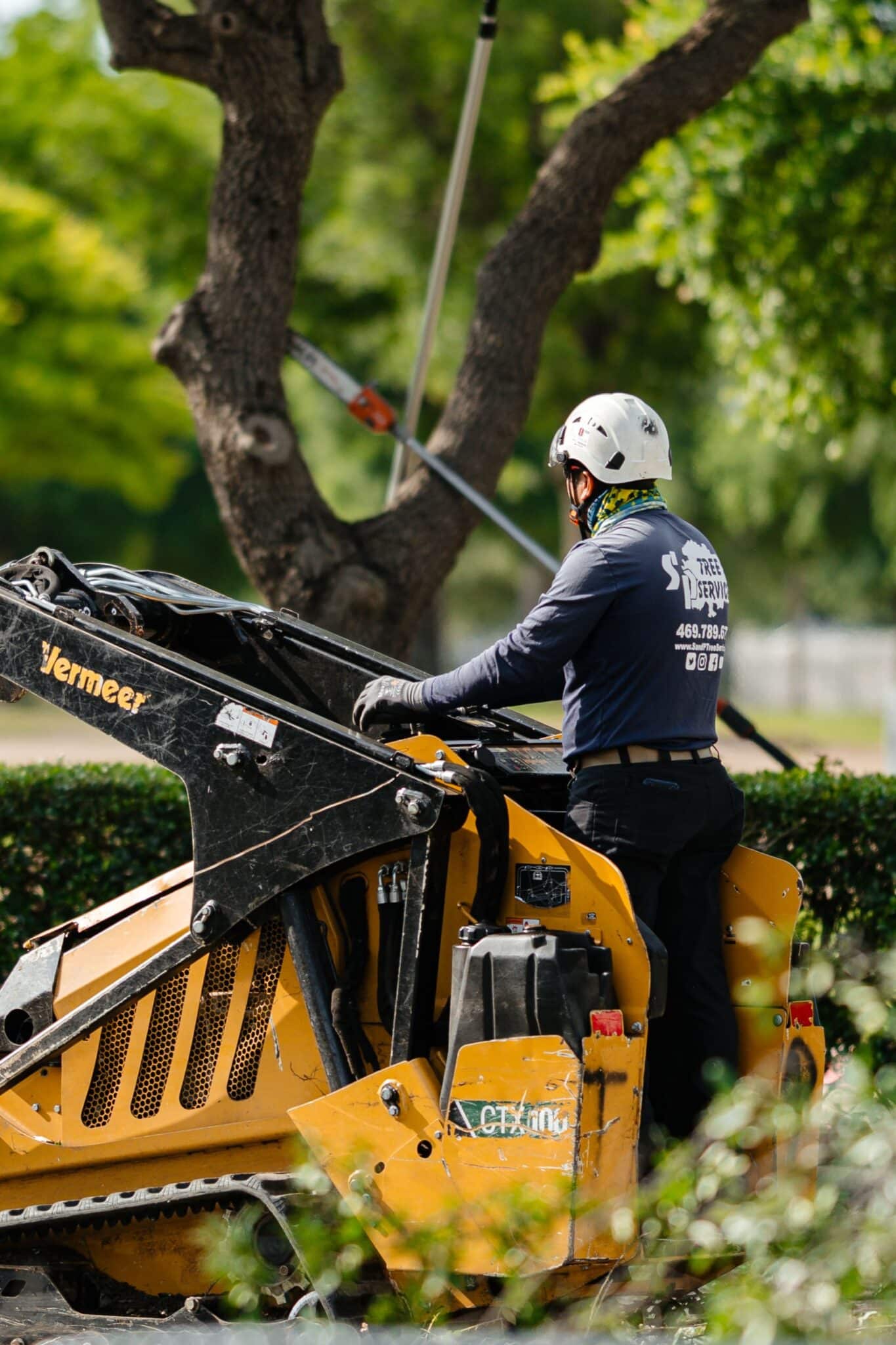
Pedestrian Clearance Prune for Clear Pathways
Key Takeaways About Pedestrian Clearance Prune
A pedestrian clearance prune removes lower and encroaching limbs to create safe walking space beneath trees. This guidance is for homeowners and property managers who need clear paths near walkways or entrances.
- Identify low branches that block headroom or sightlines.
- Prevent over-thinning that causes wind damage or sunscald.
- Avoid lion tailing by leaving inner foliage for support.
- Spot signs of decay cracks or weak branch attachments early.
- Reduce regrowth shock by staging cuts over multiple seasons.
- Plan measurements and photos to document clearance needs.
Introduction
Pedestrian clearance prune focuses on creating safe walking paths under trees while keeping the tree healthy and balanced. Homeowners often see low branches or dense inner growth that force pedestrians into awkward or unsafe steps. Narrow walkways, wet leaves, and poor sightlines make the risk clear for anyone on foot. In Arlington, TX properties, a poor prune can make the problem worse by stressing the tree or hiding hazards.
Over-thinning removes too many inner branches and can lead to wind damage or sunburned limbs. Lion tailing concentrates leaves at branch tips and causes heavy, break-prone outer growth. Both mistakes leave sidewalks and driveways riskier over time instead of safer. For Weatherford, TX residents these pruning errors can increase the chance of falling branches near paths.
Correct pedestrian clearance prune balances visible clearance with the tree’s structural needs and long term stability. You should expect precise branch selection and conservative crown thinning that preserves support wood and leaf area. The real problem is not just clipping low limbs but keeping the tree strong and predictable. Visible problems like rubbing branches or large sharp stubs often signal a poor previous prune.
When pruning is handled poorly the result is faster decay, more frequent maintenance, and higher safety risk for foot traffic. Professionals diagnose issues by inspecting branch attachments, wound response, and canopy density from the ground and with simple tools. A careful assessment helps set how much clearance is safe without harming the tree. If you notice frequent debris, sagging branches, or reduced sightlines, contact a professional for a focused evaluation.
What Pedestrian Clearance Prune Means For Walkways
A pedestrian clearance prune means selectively removing limbs to create safe, unobstructed walking space beneath trees.
- Clear low branches that block walking paths.
- Maintain enough inner foliage for tree health.
- Avoid cutting all secondary branches from a limb.
- Preserve strong branch attachments and scaffold limbs.
This prune focuses on headroom, sightlines, and removal of hazards without stripping the canopy thin. Homeowners often ask how much clearance is needed, and a common answer is to allow enough height for typical foot traffic and visibility. A professional inspects branch attachments and canopy density to confirm safe distances. In Arlington, TX short sightlines or low limbs often trigger this targeted pruning approach.
The work differs from general thinning because it targets walkways and entry points specifically. Technicians choose cuts that promote strong regrowth and prevent weak, heavy outer growth. Look for clean, close-to-collar cuts and no long stubs that can decay. For larger low branches, consider a gradual skirt lift rather than a single heavy removal and see this example of a skirt lift to elevate low branches.
Homeowners can spot when a pedestrian clearance prune is needed by watching for branches that scrape clothing or block lamps. Professionals confirm the need by measuring headroom, checking branch union strength, and using photos or notes to compare before-and-after conditions. If a tree shows large wounds or decay near walkways, recommend a qualified arborist for safety evaluation. For Weatherford, TX properties with frequent foot traffic, timely pruning reduces long-term risks and maintenance needs.
Why Over Thinning And Lion Tailing Happen
One common cause is confusing visible clearance with structural needs, so crews remove too many inner branches and leave the crown unsupported. Technicians who work quickly or without a plan may make cuts that reduce attachment points and increase leverage on outer branches. A poor cut pattern encourages heavy tip growth that later breaks during storms or under load. Homeowners often only see immediate clearance and miss the long-term imbalance created by those choices.
Another factor is pruning to strict height targets without regard for limb architecture, which leads to lion tailing where foliage concentrates at the ends. Cutting secondary and tertiary branches off main limbs creates long unsupported lengths that suffer wind damage. Inspectors look for continuous, leafless internodes and heavy weight at tips as signs of this error. Preventing this requires leaving a network of small branches to carry wind loads and photosynthesis.
Inexperienced pruners also misuse thinning cuts by taking too large a percentage of live crown at once, producing shock and dieback. Properly staged reductions let the tree adjust, while large removals can trigger rapid, weak regrowth. A professional diagnosis includes measuring crown reduction percentage, checking branch collar responses, and noting wound size compared to branch diameter. These checks show whether past cuts were conservative or excessive and guide any corrective plan.
Communication and scope misunderstandings lead to over-thinning when property owners ask only for “more clearance” without defining acceptable aesthetics or safety limits. Clear instructions help crews balance headroom with structural preservation and reduce the urge to remove every obstructing twig. For homeowners wanting more detail, review specific practices on a pedestrian clearance prune with a reputable provider before work begins.
How To Measure Safe Walking Clearance Distances
Start by measuring vertical clearance where people normally walk, keeping common helmet and umbrella heights in mind. Use a tape measure or a pole marked at 7 to 10 feet to test headroom along the path. Record measurements at several points to find the lowest obstruction and note where repeat pruning will be needed. Photographs taken from eye level help compare changes over time and support a pruning plan.
Next measure lateral clearance to ensure sightlines and comfortable passage beside trunks and planters. Walk the path holding the tape alongside branches to check pinch points and visibility around corners. Measure the width at shoulder and cart-clearance levels, especially near lighting and handrails, to avoid collisions. If branches encroach on fixtures, a targeted thinning approach preserves structure while opening space.
Inspect branch attachments and branch diameter when deciding how much to remove without lion tailing. Measure branch diameter at the cut point and compare it to the supporting limb size to avoid removing disproportionate mass. Professionals also check the percent of live crown removed in a single visit to keep reductions conservative and staged. For more on selective foliage reduction see a detailed explanation of proper branch thinning techniques at branch thinning.
A basic diagnosis confirms safety and long-term health by noting decay, cracks, and previous stub cuts during measurement. Use a flashlight to look for hollows and a simple probe to check soft wood near the collar as routine checks. Record findings and map required clearances so future crews follow the same limits and avoid over-thinning.
Identifying Warning Signs Of Unsafe Branching
Look for dead branches that stay attached but lose smaller twigs and leaves, they can fall without warning during rain or wind. Check for visible cracks along the branch or where it meets the trunk, as cracks suggest structural failure that needs attention. Notice heavy foliage only at branch tips, which indicates poor internal support and higher break risk from storms. If you see fungal fruiting bodies or soft wood near unions, those are signs of decay that increase failure probability.
- Hanging or cracked bark along limbs.
- Repeated small limb failures in the same area.
- Visible cavities or soft wood at attachments.
- Excessive epicormic sprouts on major limbs.
Professionals diagnose unsafe branching by inspecting attachment angles and branch bark ridges for weakness indicators. They also use simple tools like a probe and a flashlight to test for decay or hollow sections in larger limbs. Photographs and recorded measurements document the problem and guide whether corrective pruning or removal is safer. For examples of poor cutting patterns and their long-term risks, review material on lion tailing risks and avoid practices that cause concentrated tip weight.
Homeowners often notice increased debris under one tree, which flags a specific limb as failing and needing immediate attention. A pro will assess remaining supporting wood and measure branch-to-trunk diameter ratios to decide if staged removal is safer.
Pruning Techniques That Preserve Tree Health
Start cuts on secondary branches rather than main scaffolds to preserve support wood and avoid creating long, unsupported tips. Make pruning wounds just outside the branch collar so the tree can compartmentalize and seal the cut naturally. Use small, progressive thinning cuts over multiple seasons instead of removing large sections at once to reduce shock and weak regrowth. A pro will often mark planned cuts and measure the percent of live crown removed before beginning work.
When redirecting growth, choose selective cuts that encourage outward or upward shoots rather than inward ones toward the walkway. Removing inward-growing leaders reduces future rubbing and debris without stripping inner foliage completely. For visible sightline improvements combine careful thinning with a focus on branches that block views, following established sightline pruning methods to balance clearance and canopy integrity. Homeowners can ask to see the planned cut map before work starts.
Use reduction cuts on heavy lateral branches to shorten length without creating large stubs or lion tailing at the tip. Make the cut at a lateral branch at least one-third the diameter of the limb being shortened to maintain strength and proper attachment. Inspect the remaining branch architecture to confirm leaves remain distributed along the shortened limb to carry wind loads. Professionals may document these changes with photos to show correct technique and outcomes for later comparison.
Timing and tool choice matter, prune during the tree’s dormant season for many species to limit stress and disease entry while confirming wound closure rates. Employ bypass pruners, lopping shears, and saws sized to the branch diameter to get clean cuts that heal better. A diagnostic check after pruning includes photographing cuts, recording measurements, and noting any signs of reaction wood or excessive resprouting. In Weatherford, TX and Arlington, TX properties, selective, staged pruning protects walkways and tree health alike.
When To Call A Professional Pedestrian Clearance Prune
If branches show advanced decay, large cracks, or recent failure near a walkway, call a professional for an assessment immediately. A trained arborist will inspect attachment points, measure branch diameters, and probe for internal softness to confirm risk. They can determine whether staged pruning, reduction cuts, or full removal minimizes hazard while keeping the tree stable. For complex canopies, this reduces the chance of repeated failures after a simple cut.
Reach out when required clearance conflicts with preserving scaffold limbs or when cuts would remove more than a conservative percentage of live crown. Professionals use quantified plans and may employ aerial inspection to map safe cuts without over-thinning interior growth. They can create an actionable pruning plan that documents reduction percentages and target cuts for future crews. This approach limits regrowth patterns that lead to lion tailing and tip-heavy limbs.
Contact a pro if the tree sits above high-use paths where liability or frequent pedestrian traffic raises safety concerns in Arlington, TX properties. An expert will test attachment strength and consider soil stability and root health before recommending heavy pruning near walkways. They can also coordinate with property managers to phase work and minimize disruption. Professional documentation helps make maintenance expectations clear for future servicing crews.
Schedule a professional evaluation when previous pruning created long unsupported internodes or large stubs that require corrective work over time. A trained crew will apply corrective reduction cuts and may suggest overhang adjustments to keep branches away from paths, using established practices for clearance control. For a larger scope that affects multiple trees, a written plan with photos and follow-up timing ensures safety without harming long-term tree structure. If immediate danger exists, calling a qualified arborist is the safest next step.
Preventive Maintenance Schedule For Clear Pathways
Establish a repeating schedule based on tree species, growth rate, and pedestrian use to keep pathways consistently clear. Record dates, removed branch sizes, and percent crown reduced each visit to track long-term trends. Use seasonal checks rather than only reactive pruning after storms to avoid rushed heavy cuts. A clear schedule reduces the chance of needing corrective lion tailing later on.
- Inspect clearance every six months.
- Note new low growth and sprouting.
- Record any cracked or hanging branches.
- Plan minor thinning in late winter.
- Schedule larger reductions in stages over years.
During each visit, photograph walkways and measure vertical and lateral clearance to compare against previous records. A professional will confirm whether planned cuts stay within safe reduction limits before work begins. Include occasional crown checks and consider a targeted crown raise for persistent low limbs using a documented plan. For more on controlled elevation, consult resources about crown raising with trained crews.
Document responses after pruning for two to three seasons to detect weak regrowth or tip-heavy limbs forming. If regrowth patterns show concentrated foliage at branch tips, schedule corrective thinning sooner rather than later. Homeowners in Weatherford, TX should note seasonal leaf drop and debris timing when choosing inspection dates. Property managers in Arlington, TX can use the records to coordinate pedestrian access during maintenance windows.
Tools And Safety Steps For Homeowner Pruning
Before starting, gather sharp bypass pruners, lopping shears, a folding saw, and a sturdy ladder rated for your weight. Wear eye protection, gloves, and a hard hat when working near walkways to protect from falling twigs. Place a helper at the path to block pedestrians and communicate if tools or branches swing toward the walkway. Keep a first-aid kit and a charged phone nearby in case of injury or unexpected hazards.
Inspect the branch to confirm it is safe to cut from the ground and note attachment angle and diameter before making any incision. Start with small thinning cuts first, removing no more than a modest percentage of foliage in one session to avoid shock. Use three-step cuts on larger limbs to prevent bark tearing and reduce tool stress while lowering the branch to the ground. After each cut, step back and reassess sightlines and headroom from multiple points along the path before proceeding.
When using a ladder, set it on firm, level ground and have your helper steady it while you work in the lower canopy near the walkway. Avoid overreaching, move the ladder often to keep cuts within easy reach and reduce the risk of falls or dropped branches. For limbs that extend over the path but are too large to handle safely, plan a staged reduction and consult professionals for rope-assisted removal. Detailed risk control techniques for larger limbs are covered in resources about limb reduction, clearance, and risk control to help decide when to stop.
After pruning, clear debris immediately from the walkway to remove tripping hazards and prevent foot traffic on fresh wounds. Photograph the work and note cut sizes and locations to track regrowth and plan follow-up visits in the maintenance schedule. If you notice decay, cracks, or excessive sprouting after cuts, stop work and contact a qualified arborist for a safety assessment.
Frequently Asked Questions
What is a pedestrian clearance prune and why do it?
A pedestrian clearance prune removes lower and encroaching branches to create a safe walking space beneath trees. It focuses on preserving canopy health by cutting branch bases and minimizing crown thinning. Homeowners often choose this to prevent head-height collisions, improve sightlines, and reduce debris on paths. If branches are large or near power lines, caution is essential and you should hire a professional arborist.
How much headroom should a pedestrian clearance prune provide?
A pedestrian clearance prune should typically provide 8 to 10 feet of vertical headroom over walkways to prevent contact. This height keeps branches out of sightlines for most adults and service vehicles like trash trucks. If trees sit near power lines or block sight for drivers, exercise caution and call a professional. A certified arborist or experienced crew can inspect, measure, and prune safely to avoid over-thinning or damage.
How do pros check for weak branch attachments before pruning?
A climber or ground crew begins with a visual sweep for cracks, bark discoloration, or included bark at branch collars and forks. They probe suspect areas with a blunt tool to feel for soft wood or hollowness without cutting into the branch. For a pedestrian clearance prune near walkways, pros look for decay that could drop limbs and avoid lion tailing that weakens attachments. If a branch shows serious decay or unstable attachment, stop work and recommend a professional arborist for safe removal.
Can a pedestrian clearance prune cause lion tailing or damage?
Yes, an aggressive pedestrian clearance prune can cause lion tailing by removing inner branches and leaving foliage only at tips. Lion tailing weakens branch structure and increases wind stress, raising failure risk. If you notice long bare trunks or clustered foliage at ends, stop work and inspect for damage. For safety and proper correction, contact a professional arborist to assess and remediate the pruning damage.
When should I call a professional for clearance pruning near paths?
Call a professional when branches hang lower than eight feet over walkways or obstruct sightlines near corners. If recent pruning left sparse inner foliage or long stubby branches, a pro can avoid lion tailing. Contact an arborist when climbs or ladder work reach above first-story roofs to reduce fall risk and property damage. If you notice cracked limbs, decay, or sudden leaning trunks, stop and hire a professional for a safe pedestrian clearance prune.