

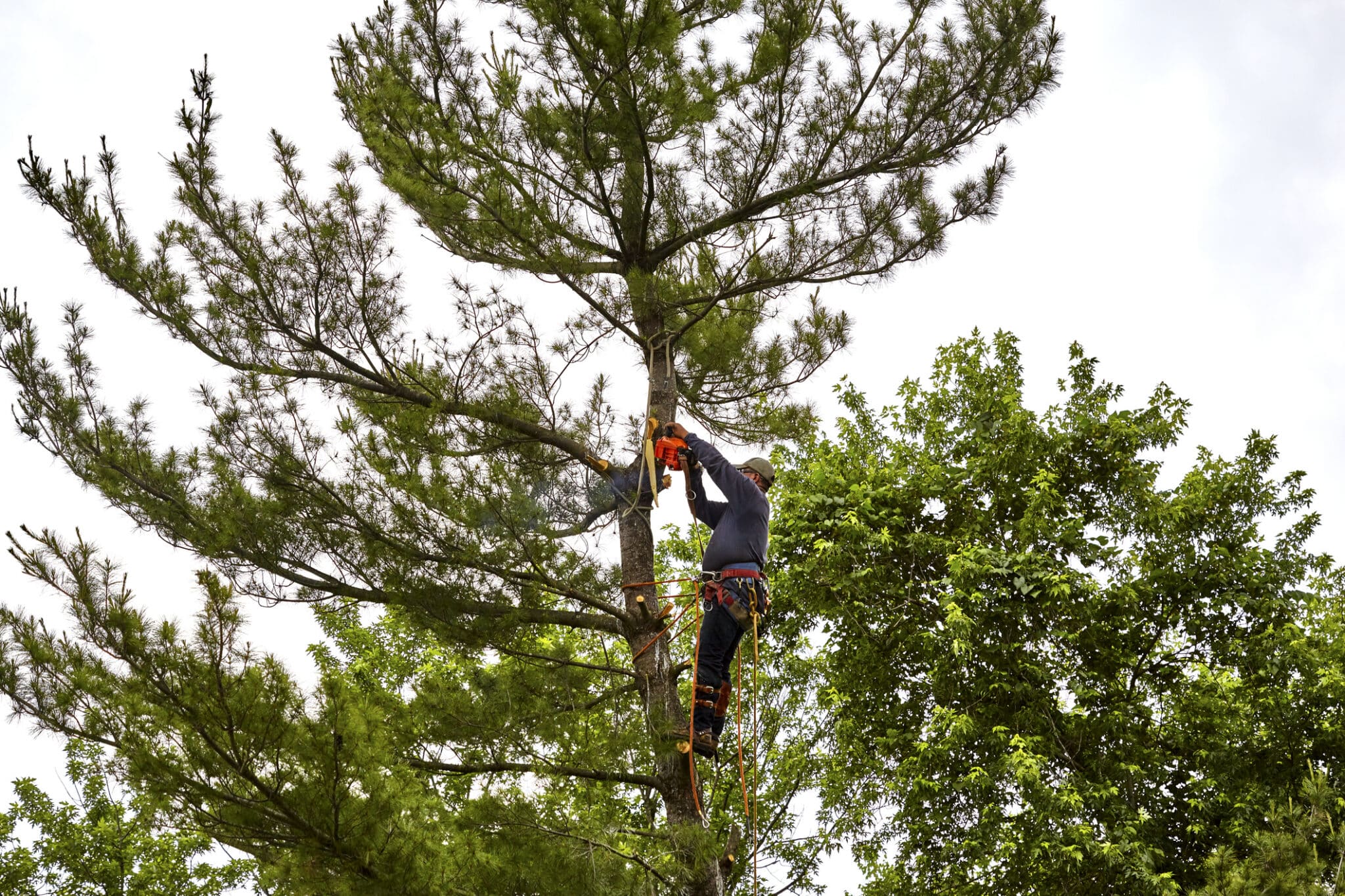
Limb Tip Polishing that Reduces Snag Hazards
Key Takeaways About Limb Tip Polishing
Limb tip polishing refers to finishing cuts that smooth and shape branch ends to reduce snags and heavy tips. This matters for homeowners and property managers when branches overhang walkways or show fraying after storms.
- Identify raised fibers and small splits at branch ends near paths.
- Prevent fabric snags by smoothing hooked wood and tiny protrusions.
- Avoid larger failures by checking for soft spots and decay.
- Spot crowded shoots and debris that trap moisture at tips.
- Reduce end weight to lower stress during wind and rain.
- Plan regular inspections and professional follow up for risky limbs.
Introduction
Limb tip polishing focuses on the final finishing cuts at branch ends to reduce snags and heavy tips near walkways. Overgrown or ragged limb tips often catch clothing and equipment, causing trips and damage. Homeowners notice heavy limbs leaning over paths and worry about sudden breaks during storms. Properly finished tips change how wind and weight affect the limb ends.
When tips are left rough, small cracks can open and spread toward the main limb over time. Those weak points increase the chance of a limb splitting or breaking during seasonal storms. The result is more debris and a higher risk where people walk and kids play. Addressing the tip condition lowers the chance of emergency removals.
Visible clues include frayed wood fibers at the cut, darkened wood, or ends that look heavier than the rest of the branch. A professional inspects the cut surface, crown balance, and any included bark to determine risk. They may also check nearby walkways and structure exposure to falling limbs. For properties in Prosper, TX and Midlothian, TX these checks help prioritize safety near entrances and paths.
Limb tip polishing reduces snag hazards and lightens branch ends to lower the risk of unwanted breakage. It improves how water sheds and how the branch bends under load from wind and weight. Homeowners who see repeated twig and leaf debris near walkways should consider an inspection. If you notice cracked tips or heavy overhangs, contact a professional to assess the hazard and recommend next steps.
What Limb Tip Polishing Means For Safety
Limb tip polishing means smoothing and shaping the final cut at a branch end to remove rough edges and reduce snag risk. A clean, beveled finish directs water away from the wound and helps the branch shed debris more evenly. Homeowners often ask whether polishing actually prevents branches from catching clothing or gear, and the short answer is yes, it reduces the rough edges that grab fabric. Professionals say the practice does not guarantee a branch will never fail, but it lowers minor snag hazards along walkways.
- Removes frayed fibers that catch on clothing
- Reduces weight out at the branch tip
- Improves water runoff from the wound
- Makes future inspections easier
- Helps lower the chance of small splits
Beyond snag prevention, polished tips change how stress travels down the limb during wind events and heavy rain. A smooth, tapered end lowers the chance a small crack will act as a starting point for a larger split. When homeowners ask if polishing reduces the need for emergency removal, professionals respond that it can delay deterioration but not replace major structural work. For properties in Prosper, TX a polished tip near an entrance can cut the frequency of minor debris complaints during storms.
A professional diagnosing tip condition looks for visible cracks, rotted wood, and the angle of the final cut during inspection. They may record photos, test for soft wood with a probe, and note crown balance to assess whether polishing alone is enough. If a limb has included bark or a deep tear, polishing might not restore strength and further pruning or bracing may be recommended. For advice on targeted hazard trimming and follow-up work refer to the company’s guidance on hazard limb trimming as part of a safety plan in Midlothian, TX.

How Limb Tips Deteriorate Why It Happens
Surface decay often begins at small wounds where bark did not seal properly, letting moisture and fungi enter the wood. When sapwood softens, the tip loses tension and starts to droop or split under normal loads. A professional inspects for soft spots by probing the wound and noting any discolored or spongy wood around the cut. They may compare the tip condition to nearby healthy tissue to judge whether polishing will arrest the decline.
Repeated minor damage from people brushing or equipment scraping accelerates fiber separation at the end of a limb. Mechanical wear creates tiny tears that widen with each weather cycle, increasing the chance of snag formation. Technicians check for these patterns by examining bark continuity and looking for frayed fibers along the last few inches of the branch. If end weight looks excessive, they evaluate whether selective thinning or end-weight relief could lower stress on the tip.
Water pooling on rough or horizontal cuts promotes rot and fungal colonization at the tip, which undermines structural integrity over time. A clean, sloping finish helps runoff, but existing rough wounds need inspection and possible reshaping to restore drainage. Professionals often document conditions with close-up photos and a simple moisture probe reading to decide if polishing alone will help. For info on reducing stress by reducing end load see the guidance on end-weight relief.
Rapid regrowth after heavy pruning can create crowded tips that shade inner wood and trap moisture, hastening decay at the limb end. Inspectors look for included bark or tight crotches near the tip, which concentrate stress and start cracks that reach inward. If the tip shows structural issues, crews may combine polishing with other pruning methods described in general trimming guides like tree trimming techniques to restore balance. Homeowners in Prosper, TX and Midlothian, TX should watch for these signs on paths and act before a small defect becomes a falling limb risk.
Common Causes Of Snags Near Walkways
Heavy end weight from previously neglected growth often creates snags near walkways because the tip bends and rubs against nearby objects. Wind-driven sway then increases friction at the rough edge, enlarging small tears into catches that snag clothing. Mechanical impacts from lawn equipment and backpacks scrape bark and open fresh wounds that catch debris and fabric. Professionals may note these wear patterns when they inspect along paths during hazard checks in Prosper, TX.
Tightly spaced new shoots at the limb end can form a dense tuft that traps leaves and moisture against the cut surface. That trapped debris keeps the tip damp and invites fungal spots that soften wood near the surface. Over time small soft areas collapse under foot traffic or grooming tools, producing a sudden catch or split into the walkway. Technicians often look for these crowded tips when evaluating pruning priorities in Midlothian, TX properties.
Improper initial cuts leave raised edges or torn fibers that act like tiny hooks for clothing and straps passing close by. Repeated contact abrades those fibers further until a visible snag forms that can tear fabric or catch shoes. A simple way a pro confirms this cause is by running a gloved hand along the tip to feel for raised fibers and then documenting the location with photos. They then decide if reshaping with accepted branch cutting techniques will remove the hazard or if deeper corrective pruning is needed.
Storm damage and ice loading create small fractures at tip ends that may not be obvious until someone brushes by and trips on a hanging fragment. Inspectors check for hairline splits and compare sound wood to any soft or hollow-feeling areas using a probe or visual tapping. If a tip shows internal decay signs, polishing alone might not stop future failures and further removal could be safer. Homeowners should have a professional confirm stability before clearing or walking under suspect limbs.
Recognizing Warning Signs Around Pathways
Look along walkways for small hanging fibers, short stubby shoots, or tiny downward splits that catch on clothing. Check for fresh wood splinters or tight clusters at the tip that hold debris after wind events. Notice any sudden change in how a branch bends when pressure is applied from below. If you see discoloration at the wound edge, mark the location for closer inspection by a professional.
- Feel for raised fibers with a gloved hand.
- Look for uneven tapering at branch ends.
- Note any persistent leaf or twig buildup.
- Watch for small fractures after storms.
Walk the path slowly after a storm and note where debris accumulates and where limbs brush people passing. Take photos of suspect tips and record their distance from the walkway for a professional evaluation. A technician will probe soft spots and may tap to listen for hollow sounds before recommending action. They often follow safe pruning practices like the three-cut method for safe limb removal when making corrective cuts.
For homeowners in Prosper, TX, seasonal checks near entrances reduce surprises and lower immediate snag risk from worn tips. In Midlothian, TX properties, pay attention to tips near play areas and driveways where catches can cause trips. If a tip yields easily to a light probe or shows cavities, contact a professional to confirm structural risk. Promptly addressing these warning signs helps keep walkways safer and reduces the need for emergency pruning.

Step By Step Homeowner Polishing Technique
Start by clearing the immediate work area and placing a tarp to collect trimmings for safer cleanup and visibility. Inspect the tip visually, looking for raised fibers, tight clusters, or small splits that change how the branch flexes. Use sharp hand pruners or a pruning saw sized to the branch diameter, keeping blades clean to reduce tissue tearing. Make an initial small removal cut to remove damaged wood before shaping the final surface.
After the initial cut, make a beveled finishing cut that slopes slightly away from the cambium to encourage water runoff and faster sealing. Smooth the edge with light strokes of the saw or pruner, removing any tiny hooked fibers that might snag clothing or gear. If the limb supports several small shoots near the tip, selectively remove crowded shoots to open the end and lower moisture retention. Take photos of the final cut to document condition for later comparison during seasonal checks.
Confirm stability by applying gentle pressure to the remaining tip while wearing gloves to feel for unexpected movement or creaking that suggests deeper weakness. A professional would follow similar steps and then probe the wound or examine attachment points for internal decay before recommending further action. For larger overhangs near paths, consider coordinated trimming that follows overhang control practices to shift load away from polished tips. Homeowners in Prosper, TX should note any persistent movement after polishing and schedule a follow-up inspection if it continues.
Dispose of cut material promptly and inspect the walkway for remaining snags, frayed fibers, or hanging fragments that could still catch clothing. Monitor the polished tip after the next rain and wind event for changes in water shedding or new fraying that indicates incomplete smoothing. If the tip shows widening cracks or soft spots, stop further pruning and contact a professional to evaluate structural risk. Properties in Midlothian, TX with significant canopy density may need additional canopy trimming in Fort Worth-style plans to reduce tip stress and future snag hazards.
When To Call A Professional For Polishing
If the tip shows movement beyond normal flex, schedule a professional evaluation rather than attempting more homeowner shaving. Technicians use probes and visual inspection to check for internal decay that polishing cannot fix. They will also assess attachment points where the limb meets the parent branch for hidden splits or included bark. In Prosper, TX homeowners should treat sudden changes after polishing as a sign to get expert input.
Call a pro when polished tips are part of a larger pattern of decline across the crown indicating systemic stress or rot. A professional will perform a hands-on diagnosis that includes probing, close-up photos, and documented condition notes. They may also measure lean angle and inspect nearby anchoring roots when tip failure could threaten walkways or structures. If multiple tips near a path show similar softening, immediate assessment reduces safety risk.
Hire professionals for tips above walkways when the work requires elevated access, rigging, or coordinated branch removal to protect people below. Crews trained in safe pruning minimize the chance of creating new snags while removing dangerous material overhead. They often use controlled drop techniques and clear staging to keep paths safe during the job. When access or load transfer is complex, DIY attempts increase injury and property damage risk.
Request a professional opinion if repeated tip polishing fails to stop snag recurrence despite correct technique and clean cuts. Experts will review the whole limb structure, consider canopy balance, and test for decay that a surface finish cannot address. They can recommend targeted corrective pruning, bracing, or selective removal to reduce future breakage near walkways. For corridor-focused canopy work near paths, ask about their approach to view corridor trimming.
How Professionals Assess And Repair Tips
Professionals begin by documenting each suspect tip with photos and notes to create a clear work plan before any cutting. They probe with a simple screwdriver or awl to check firmness and compare readings across nearby wood. A visual inspection follows, looking for color changes, radial cracks, or hidden tear lines that indicate deeper issues. If risk to a path exists, techs map the limbs and mark priority targets for repair or removal.
- Measure branch diameter near the tip.
- Probe for soft or hollow areas.
- Check attachment points at the parent limb.
- Note distance from the walkway.
When a polished finish alone will not restore safety, crews plan corrective actions such as selective shortening or partial limb removal. They consider branch weight and balance, sometimes using branch weight balancing techniques to shift load away from vulnerable tips. Crews may also recommend bracing if a larger limb shows good tissue but poor structural attachment. Each option gets weighed for long-term risk and effects on tree health.
After repairs, professionals retest remaining tips by applying gentle pressure to ensure stability and then photograph results for the homeowner file. They provide clear next-step recommendations, including monitoring intervals and signs that require a return visit. For properties in Prosper, TX this documentation helps schedule seasonal checks near busy entries. Homeowners in Midlothian, TX receive the same practical report focused on keeping walkways safe.
Preventive Pruning Practices To Reduce Break Risk
Start scheduled minor pruning cycles to remove competing shoots before they form heavy tips that threaten walkways. Plan visits every one to three years depending on growth rate and tree species. During each cycle, focus on reducing end weight without opening large wounds that invite decay. Track work with simple photos and notes to spot trends between visits.
Use selective thinning higher in the canopy to shift wind loads away from lower polished tips near paths. Remove small inward-growing branches that increase sail area and stress at vulnerable ends. Professionals sometimes pair thinning with targeted shortening to rebalance branch weight and reduce break risk. Homeowners in Prosper, TX should note any rapid regrowth that undoes recent pruning and schedule tighter follow-up.
Protect trunk flare and main scaffold attachments when reducing tip mass so stress transfers safely into the structure. Maintain clear, healthy branch collars and avoid flush cuts that weaken attachment points over time. If a large limb requires load reduction, coordinate the work with overhang control methods and route falling material away from walkways. For guidance on coordinated canopy adjustments, review the recommendations for overhang control before planning larger jobs.
Establish a monitoring routine after preventive pruning to watch for new splits, fungal fruiting bodies, or progressive leaning toward paths. Train family members to report small changes like increased twig debris or fresh fraying at tips. When observations suggest internal decline, have a pro perform a probe check and document findings for future decisions. For Midlothian, TX properties near high-traffic areas, tighter monitoring intervals reduce the chance of unnoticed failures.
Frequently Asked Questions
How does limb tip polishing reduce snag hazards near walkways?
Limb tip polishing smooths rough ends and removes small protruding twigs that catch clothing or gear near walkways. By reducing surface hooks and uneven wood fibers, it lowers the chance of snag-induced trips or torn fabrics. Professionals also thin heavy tips to shift weight inward and reduce break risk over pedestrian paths. Caution: trimming near walkways can be hazardous, so contact a professional if work requires ladders or chainsaws.
When should I call a pro instead of DIY limb tip polishing?
If the limb sits over a walkway, roof, or power line, call a pro for limb tip polishing to avoid hazards. If the tree is tall or the limb diameter exceeds what you safely handle, hire an arborist. If you notice significant decay, cracks, or loose bark near the tip, a professional inspection and cut reduce collapse risk. Exercise caution around ladders and chainsaws and contact a professional when any task feels beyond your training or equipment.
What signs show a tip needs polishing rather than removal?
Look for split or jagged limb ends that still have healthy tissue and no deep trunk wounds indicating removal.
If the tip hangs over a walkway but the branch remains structurally sound, Limb tip polishing can reduce snag hazards.
Thin, lightweight ends with bark intact and minimal decay usually benefit from a smooth finishing cut rather than removal.
If the limb shows serious decay, large cracks, or the work requires climbing near pedestrians, exercise caution and hire a professional.
Can limb tip polishing lower break risk during storms?
Limb tip polishing can reduce wind catch and deadweight at branch ends, lowering the chance of storm breaks near walkways. Properly smoothed tips shed wind better and remove small cracked wood that often fails first. A professional will inspect target limbs, check decay at the cut site, and assess attachment strength before finishing. If limbs are large, rotten, or over walkways, exercise caution and hire a certified arborist to avoid injury or property damage.
How often should homeowners schedule tip polishing checks?
Inspect limb tips near walkways and entrances at least every six months to spot new snags or heavy foliage growth. After storms or high winds check sooner because damage and splits raise break risk. If you notice unstable ends, visible cracks, or leaning branches, exercise caution and contact a professional for assessment. A certified arborist can confirm whether Limb tip polishing or more extensive pruning will reduce hazards safely.