


Hazard Canopy Framing for Safer Driveways in Fort Worth
Key Takeaways About Hazard Canopy Framing
Hazard canopy framing defines safe clearances and controls failure points in tree canopies over driveways and high-traffic zones. This guide helps homeowners and property managers decide when to act and when to call a professional.
- Identify cracked limbs deadwood and narrow angled attachments early.
- Prevent vehicle damage by setting consistent horizontal and vertical clearances.
- Avoid sudden failures by scheduling phased pruning and inspections.
- Spot root damage leaning trunks and signs of internal decay promptly.
- Reduce load on risky branches using selective reductions or cabling.
- Plan recurring checks and document measurements and photos after storms.
Introduction
Driveway safety often depends on how tree canopies and branches are framed above high-traffic zones. When limbs overhang driveways they create a hazard for people and vehicles passing below. Hazard canopy framing focuses on defining safe clearances and controlling failure points in the canopy. Homeowners notice the problem when limbs scrape vehicles or drop debris onto parked cars.
Too-narrow canopy openings increase the chance of branch failure during storms and heavy winds. Falling limbs can damage vehicles, injure people, and block access for emergency vehicles. Visible signs like cracked limbs, heavy leaning branches, or large deadwood mean the canopy needs attention. In Fort Worth, TX properties with mature trees face particular risks during seasonal storms.
High-traffic zones such as driveways, walkways, and parking pads deserve a consistent approach to canopy boundary setting. The goal is to prevent predictable failure paths without removing healthy tree structure unnecessarily. Proper framing balances overhead clearance with the tree’s ability to shed wind and rain loads safely. Homeowners often report hearing creaks or seeing sudden limb drops before a major failure occurs.
Diagnosing canopy hazards begins with observing symptoms from the ground and inspecting branch attachments and trunk integrity. A professional will look for cracks at unions, included bark, fungal fruiting bodies, and significant deadwood. Those signs guide decisions about pruning cuts, clearance targets, and any needed bracing or cabling. For properties in Weatherford, TX, acting sooner can reduce repair costs and safety risks after heavy weather events.
What Hazard Canopy Framing Means For Driveways
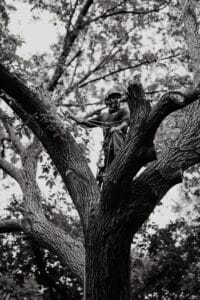
Hazard canopy framing means creating intentional clearances and weak-point control in tree canopies over driveways and high-traffic zones. It defines which limbs must be reduced or removed to prevent predictable failures and protect people and property. Homeowners often ask how much horizontal and vertical clearance is safe, and the short answer is to set boundaries that prevent routine contact and allow emergency access. A clear rule of thumb is that framing focuses on reducing likely failure paths rather than reshaping the whole tree.
- Establish a visible horizontal boundary above the driveway.
- Create vertical clearance for vehicles and equipment.
- Remove or reduce deadwood and narrow-angled attachments.
- Preserve main scaffold branches when possible.
Framing for driveways begins by mapping which branches sit over travel areas and how they attach to the trunk. A homeowner can answer whether a branch is risky by noting sagging, cracks, or bark separation and photographing those spots. A basic diagnostic a pro would perform includes inspecting unions, testing for hollows, and using a simple moisture meter or visual decay indicators. In Fort Worth, TX, this focused inspection often helps prioritize cutting and support work before storms.
Good canopy framing balances safety and tree health by targeting specific failure points and keeping useful structure intact. Professionals confirm decisions by measuring branch diameters, checking included bark, and noting fungal fruiting bodies near attachments. For smaller jobs a homeowner can mark limbs and compare photos over time, but any sign of deep cracks or large cavities should prompt a professional visit. For guidance on reducing overhangs without compromising structure, review the company’s overhang control approach at overhang control.
Clear homeowner cues include branches that scrape vehicles, frequent debris, or sudden limb drops during light wind. A professional diagnoses risk by combining those observations with hands-on checks of branch attachments, trunk soundness, and recorded photos. After inspection, the pro will recommend pruning cuts, partial reductions, or supplemental support like cabling based on measurable defects. In Weatherford, TX properties, acting when early signs appear reduces the chance of costly damage later.
Why Hazard Canopy Framing Happens Near Roads
Trees next to roads face repeated stresses that raise the chance of hazardous canopy framing over driveways. Constant vehicle vibration weakens root plates and trunk connections over time. Roadside salt, if present, and vehicle exhaust can stress foliage and reduce branch vigor. These chronic stresses make certain attachments more likely to fail during routine weather events.
Competition for light near roads often forces trees to grow long lateral branches toward open space above traffic. Those extended scaffold limbs develop narrow branch angles and included bark that create structural risk. Fast growth can hide defects until branches reach travel lanes and begin shedding bark or small limbs. A trained arborist will measure branch diameters and inspect unions to confirm when a long limb becomes a target for removal or reduction.
Roadside root damage from grading, utilities, or compacted soil also contributes to canopy instability in high-traffic zones. Reduced root support shows up as leaning trunks, surface roots lifting pavement, or canopy asymmetry toward the street. Professionals use a hands-on root zone check and visual trunk inspection during a tree structure analysis to locate weakened support. For formal sidewalk clearance needs, homeowners can refer to practical approaches shown in the sidewalk canopy lift guidance.
Traffic patterns themselves change the consequences of a failure and therefore the framing approach for those trees. Frequent heavy vehicles increase the need for larger vertical and horizontal clearances to protect passing cars and pedestrians. A pro diagnoses risk by combining observed lean, visible root damage, and branch attachment tests with photo documentation. Homeowners in Fort Worth, TX and Weatherford, TX should treat roadside canopies differently than interior yard trees because exposure and failure impacts differ.
Common Warning Signs Homeowners Should Watch For
Look for fresh cracks where branches meet the trunk, those cracks often widen after wind events and signal weakening attachment. Notice any fungal fruiting bodies on bark or at the base, which can indicate internal decay needing further inspection. Pay attention to sudden increases in small limb drop frequency, especially during light breezes, as that suggests progressive failure. Homeowners who record photos over time give professionals clear evidence for diagnosis and action planning.
Watch for one-sided canopy growth that suddenly shifts toward the driveway, which raises the chance of heavier load on fewer attachments. A visible lean that changes position over months or after storms is a red flag worth documenting. Surface roots lifting pavement or pooling water near the base can point to compromised anchorage and future instability. If you see these signs, a pro will perform trunk soundness checks and root-zone probing to confirm risk.
Cracks in the driveway surface under large limbs or fresh bark scarring on trunks can show where impact or rubbing already occurred. Repeated vehicle contact or scraping noise when cars pass below usually means horizontal clearance is insufficient. For roofline interactions and required vertical space, homeowners often consult resources on roofline clearance to compare clearances to common vehicle heights. Professionals use measurements and photos to set safe horizontal and vertical boundaries after these observations.
Leaves that yellow or drop prematurely on one side of the tree can signal root or vascular issues that reduce branch strength over time. Listen for creaking sounds during normal wind conditions, they often precede larger failures and deserve a recorded sample for a professional. A diagnostic visit typically includes probing for hollows, measuring branch diameters, and testing attachment angles to produce a written safety recommendation. If any signs indicate imminent risk, contact a qualified arborist rather than attempting major cuts yourself.
Assessing Risk Levels And When To Act
Start by classifying hazards into immediate, short-term, and long-term categories based on visible defects and usage patterns. Immediate hazards show active failure signs such as large hanging limbs or recent major cracks that require urgent action. Short-term hazards include significant decay or progressive leaning that can worsen over months and should be scheduled soon. Long-term hazards involve slow decline or minor defects worth monitoring and preventive work.
- Look for active hanging branches.
- Note decay or fungal fruiting bodies.
- Measure branch diameters over travel lanes.
- Document leaning or root exposure.
Professionals diagnose risk with a stepwise inspection combining visual checks, simple tests, and recorded measurements. They will probe suspicious cavities, measure branch diameters, and test attachment angles to estimate failure likelihood. A written report often lists recommended actions and a suggested timeline for work and follow-up inspections. For canopy balance adjustments and load testing methods, consult the company’s guidance on canopy load tuning.
Decide when to act by matching hazard class to driveway use frequency and the value of exposed property beneath. If vehicles, pedestrians, or critical access lie under compromised limbs, prioritize immediate or short-term intervention. For lower-use sites, schedule work during the next maintenance window but keep monitoring for changes between inspections. Homeowners in Fort Worth, TX and Weatherford, TX should document changes after storms to inform timing decisions.
Techniques For Creating Safe Canopy Boundaries
Start by establishing measurable boundaries using reference points like the driveway edge and the centerline of travel lanes. Mark horizontal limits with temporary ribbon or flagged stakes to visualize canopy limits before cutting begins. Measure vertical clearance at multiple points with a pole or tape to ensure consistent vehicle and pedestrian space under branches. These measurements help set precise pruning targets to reduce random cuts and focus on danger zones.
Use selective reduction cuts to shorten long lateral limbs while keeping the branch collar intact to promote healing and reduce decay risk. When larger scaffold branches threaten the boundary, a professional may perform structural canopy edits to remove weight and rebalance the crown. This approach preserves useful structure while eliminating predictable failure paths over drive areas. Homeowners in Fort Worth, TX should insist on cuts that leave clear collar tissue for proper wound closure.
Apply phased pruning to reduce shock to the tree and monitor response over months rather than performing all removals at once. Phasing lets inspectors observe wound closure, new growth direction, and any signs of decay that emerge after initial cuts. For sightline issues and small lateral obstructions, combine pruning with the sightline pruning methods to keep critical views and access clear. Weatherford, TX properties with frequent vehicle use benefit from staged work to avoid sudden canopy loss and maintain aesthetics.
Where needed, install visible boundary aids such as low ropes or permanent marker posts set outside the canopy edge to discourage parking or storage under framed areas. Consider non-invasive support like cabling only after inspection confirms attachment soundness and when pruning alone cannot mitigate failure risk. Professionals will document pre- and post-work measurements and photos to confirm that the hazard canopy framing meets safety goals. If you detect active defects during any step, contact a qualified arborist to perform a full assessment before proceeding.
Materials And Tools Used In Canopy Framing
Common framing materials include pruning tools, temporary marking flags, and protective rigging like slings and rope for lowering removed limbs. Professionals also use measuring poles and tape to confirm boundary distances before cutting. For larger branches, arborists bring saws rated for limb work and portable winches to control descent. Homeowners can observe tool choice to confirm work matches the canopy scale and access constraints.
Wood-working supplies such as wedges, chains, and lowering straps help prevent bark tearing during large removals and preserve the remaining structure. Inspectors often use a moisture meter and a sounding mallet to check for internal decay before using heavy rigging. When repeated limb trimming is required over driveways, crews may apply durable marker posts or reflective tape to keep clearance visible at night. These visible aids reduce accidental parking under framed zones and guide future maintenance.
For safety, workers wear helmets, eye protection, and cut-resistant gloves while operating saws and ropes near traffic lanes. Crews commonly deploy traffic cones and temporary signage when work occurs over active driveways or nearby streets. A professional will document measurements and photos of the branch attachments, trunk areas, and post-work clearances as part of the safety record. Homeowners in Fort Worth, TX should ask for this documentation before approving larger framing jobs.
Smaller diagnostic tools include a handheld tape measure, inclinometer, and a digital camera for records and follow-up comparison. A qualified arborist uses those tools to confirm that pruning cuts meet the agreed horizontal and vertical targets before finalizing work. For specific limb reductions that aim to remove predictable failure points, review the company’s guidance on hazard limb trimming. Properties in Weatherford, TX with high vehicle use benefit from durable, low-maintenance boundary markers after framing is complete.
When To Call A Professional Hazard Canopy Framing Service
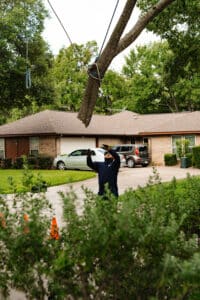
Call a professional when visible defects combine with regular use under the canopy and you lack safe access equipment. A trained crew brings rigging, traffic control, and the judgment to work over active driveways safely. Professionals also carry diagnostic tools like moisture meters and inclinometer for measured assessments before cutting. If you smell fungal rot or hear creaking consistently, arrange an expert inspection promptly.
- Active hanging limbs over drive lanes need immediate evaluation.
- Large cavities at branch unions require an arborist check.
- Progressive leaning toward the driveway merits scheduled work.
- Repeated limb drop during light wind needs professional diagnosis.
During an inspection, a pro will document defects with photos and measurements to recommend specific framing actions. They will test attachment angles, probe cavities, and measure vertical clearances at multiple points. This information forms a written plan that details pruning cuts, bracing, or staged work. Homeowners should request that report to compare before and after conditions.
Ask for crews that can perform elevated techniques when low limbs impair visibility or access near roofs and equipment. One common method lifts low branches away from travel lanes without full removal and reduces long-term regrowth toward the driveway. For examples of this approach, review the guidance on skirt lift to elevate low branches. Requesting that technique can preserve canopy while keeping clearances safe.
Homeowners in Fort Worth, TX or Weatherford, TX should prioritize safety when vehicles or pedestrians use the area below the canopy. If significant defects appear after storms, contact a professional immediately rather than attempting large cuts yourself. A qualified crew will coordinate traffic control and protect property during work. Schedule work based on the written risk assessment and the property’s daily use patterns.
Preventative Maintenance Tips For Long Term Safety
Set a recurring inspection schedule to catch slow changes before they become urgent, aiming for at least one check each year. During inspections, photograph limbs over drive areas and note any new bark damage or small cracks. Record measurements of vertical clearance at fixed points so future checks compare consistently. If you spot smell or visible fungal growth, contact a professional immediately for a hands-on diagnosis.
Trim small competing shoots and epicormic growth annually to limit weight buildup on vulnerable scaffold branches without removing major structure. Use clean, measured cuts that preserve the branch collar and avoid flush cutting to encourage healthy wound closure. After pruning, document cut locations and diameters to track how wounds heal over seasons. For recurring trimming needs near traffic lanes, consider scheduling maintenance with a crew experienced in controlled removals.
Keep permanent boundary markers visible to discourage parking under framed areas and to guide future trimming work around the same limits. Reflective posts, painted curbs, or non-invasive markers reduce accidental canopy contact during night or low-light conditions. Review recorded photos and clearance measurements before planning more invasive cuts so you can choose phased reductions when possible. Homeowners in Fort Worth, TX benefit from keeping this maintenance log with dates and condition notes.
After storms, perform a focused check for small limb losses, bark tears, and changed attachment angles that often precede larger failures. Document any new defects and schedule an inspection if you notice increased limb drop or sudden leaning toward the driveway. A professional will probe cavities, measure attachment angles, and suggest cabling only when pruning cannot reduce failure risk effectively. Properties in Weatherford, TX that track post-storm damage often avoid larger emergency removals by acting early.
Keep tree base areas free of heavy mulch mounds and avoid soil grade changes that can stress roots and reduce anchorage near driveways. Maintain a clear zone around trunks so inspectors can access root collars and surface roots for quick checks during routine visits. If you store equipment under framed zones, move it to limit added weight and reduce exposure to falling debris. Coordinate regular canopy checks with your chosen trimming provider to keep records and plan work well before defects escalate.
Frequently Asked Questions
How does hazard canopy framing protect driveways?
Hazard canopy framing creates a defined boundary by supporting or redirecting tree branches away from driveways and high-traffic zones. It reduces sudden limb failure over vehicles by transferring loads to secure anchors or nearby trunks. Inspecting attachment points, anchor tension, and decay around the canopy helps professionals confirm protection effectiveness. Caution: this work carries risk—hire a qualified arborist or tree service to assess and install safely.
When should I call a pro for hazard canopy framing?
Call a professional when large limbs or multiple low branches overhang your driveway and pose a falling risk. If you notice cracks in trunk wood, visible decay, or recent storm damage, arrange an inspection promptly. A qualified crew will assess loads, trim strategy, and install proper hazard canopy framing to protect people and vehicles. For any situation with potential collapse, stop using the area and hire a pro to reduce injury risk.
What vertical and horizontal clearances are safe?
For driveways and high-traffic zones aim for a minimum vertical clearance of 13 feet to accommodate trucks and emergency vehicles safely. Horizontal clearances should keep branches at least 3 feet back from the travel edge to prevent scraping and obstruction. During hazard canopy framing professionals also maintain clear sightlines at drive entrances and keep limbs away from lighting and signage. If branches are close to required clearances, use caution and hire a qualified arborist or tree service to assess and correct the risk.
How do pros diagnose canopy failure risks?
A pro starts with a visual survey for cracked limbs, decay, included bark, trunk lean, and root damage around the driveway. They use tools like a moisture meter, increment borer, and binoculars to confirm internal decay and cavity depth. For hazard canopy framing decisions they note branch attachment angles, live crown ratio, and clearances over traffic to set safe boundaries. If stability looks compromised, stop using the area and hire a certified arborist to perform a detailed risk assessment and corrective work.
Which markers or supports follow hazard canopy framing?
Common markers and supports for hazard canopy framing include bright flagging tape, high-visibility rope, and reflective safety tape to outline boundaries. Wooden or metal stakes set outside the driveway footprint provide rigid anchor points for support lines and signage. Contractors often use adjustable guy lines and tree straps to distribute load and avoid bark damage when anchoring to limbs or trunks. If branches look unstable or load-bearing, stop work immediately and call a professional arborist to assess risk and secure the canopy.