


Balanced Canopy Sync for Even Light Distribution
Key Takeaways About Balanced Canopy Sync
Balanced canopy sync means adjusting branch density so light spreads evenly through a tree and wind loads distribute across limbs. This guidance is for homeowners and property managers who notice shade problems or storm damage and need timely pruning decisions.
- Identify uneven foliage and one sided leaf clusters around the crown.
- Prevent concentrated wind sail by opening interior spaces gradually.
- Avoid heavy single session cuts that create sudden load shifts.
- Spot decay cracks and root heave that signal structural risk.
- Reduce moss and fungal pockets by improving airflow through the crown.
- Plan staged thinning and follow up inspections to monitor recovery.
Introduction
Fine-tuning canopy density helps spread light evenly through a tree’s crown and reduces wind sail that stresses branches. Uneven foliage creates bright spots and deep shade that hurt understory plants and lawn health. Excess density also catches wind and increases the chance of branch failure during storms. Homeowners notice these problems first as thinning grass or drooping limbs.
When leaves cluster at the crown edge they block midday sun that young trees and shrubs need to thrive. Crowns overloaded with foliage shift wind loads onto a few major limbs instead of distributing forces across the structure. That concentrated stress raises the risk of splits or uprooting in strong winds. Property managers often see repeated branch damage where canopies stayed too dense for years.
Balanced canopy sync focuses on adjusting branch density to create smoother light gradients and lower wind resistance. Properly spaced branches let light filter through while keeping enough live foliage to support tree vigor. This matters for energy use around homes because better light and shade patterns affect heating and cooling near windows. Many homeowners in Dallas, TX and Midlothian, TX choose adjustments to protect landscaping and reduce future damage.
Symptoms that point to a canopy needing attention include sudden limb loss, heavy moss growth, and large shaded areas under the crown. A professional inspection checks branch distribution, live crown ratio, and signs of structural weakness. Results from an inspection guide targeted thinning that balances light and wind flow without removing healthy live wood. When safety risks exist, contact a certified tree professional rather than attempting corrections yourself.
What Balanced Canopy Sync Means For Trees
Balanced canopy sync means arranging branch density so light passes evenly through the crown and wind loads spread across limbs. Homeowners often ask whether thinning will harm tree health, targeted thinning usually improves vigor by reducing stress. A clear symptom of imbalance is large dark patches under the crown while the outer rim remains dense. Professionals judge success by improved light gradients and fewer heavy wind-catching areas after work.
- Improves undergrowth light levels.
- Reduces wind sail on large limbs.
- Helps prevent concentrated branch stress.
- Maintains enough foliage for photosynthesis.
To confirm a need for balanced canopy sync, an inspector compares branch spacing and live crown ratio across the tree. They note where foliage clusters and where gaps let light through, then measure limb diameters and attachment angles. Simple homeowner checks include looking for leaning crowns and uneven leaf density around the tree. If you see sudden limb loss or exposed trunk, hire a pro for a closer inspection.
When crews adjust canopy density, they aim to create smooth light gradients from outer to inner canopy without over-pruning. Techniques focus on selective thinning rather than heavy heading cuts that can trigger weak regrowth. Improving airflow through the crown also lowers fungal risk and reduces moss buildup, a common concern in shaded spots. For methods that increase airflow while preserving structure, see the canopy airflow guidance on our site at canopy airflow boost.
Homeowners in Dallas, TX should watch how roofline shade changes after thinning to judge effectiveness and avoid added sun on windows. For properties in Midlothian, TX, balancing a canopy can protect plantings that need steady light and reduce storm damage risk. A follow-up inspection checks healing, new branch development, and whether further light redistribution is needed. If pruning would require climbing near power lines or large removals, contact a certified tree professional for safety.
Why Uneven Light Distribution Happens In Crowns
Light imbalance in a crown often starts with dominant branches that outcompete neighboring limbs for sunlight. Those dominant limbs thicken and cast deep shade, while suppressed branches thin and die back. Pest activity and fungal spots can follow where sunlight never reaches, creating shaded pockets that expand over seasons. A quick visual cue is uneven foliage density when walking around the tree perimeter.
Tree genetics and species habit influence where leaves grow most densely and can create inherent asymmetry in crowns. Site factors such as nearby structures, fences, or taller trees force a tree to put more foliage on one side to reach light. Owners sometimes notice one-sided growth after installing a new fence or after a neighboring tree removal. Professionals assess these growth patterns to decide whether selective thinning or structural pruning will restore balance.
Older wounds, included bark, and past improper pruning cuts change how a tree allocates resources and light exposure within the crown. Weakly attached or suppressed limbs often persist because the tree cannot restructure itself without intervention. Inspectors use a combination of visual inspection and simple tools like a measuring tape to record limb spacing and diameters. Those measurements help determine where thinning will most effectively spread light without removing too much live wood, and may be documented in a written report.
Wind patterns and exposure also shape uneven foliage by stressing certain limbs and causing dieback on windward sides. Over time, the tree shifts growth toward protected sides, exaggerating density differences and increasing wind sail on exposed limbs. Homeowners sometimes see this after repeated seasonal storms that prune the crown naturally through breakage. For targeted thinning that reduces concentrated sail while improving light penetration, learn more about professional methods at canopy thinning.
For example, a mid-sized oak shows dense outer foliage on its south side and sparse north-side branches after years of shade from a shed. An inspector would note visible dieback, measure live crown ratio, and check attachment angles where branches meet the trunk. They would also look for decay or cracks and recommend a specific thinning plan to redistribute light and lower wind load. When risks or large cuts are involved, contact a professional rather than attempting major pruning yourself.
How Density Affects Wind Sail And Stability
Canopy density changes how wind forces move through a crown and whether those forces focus on a few main limbs. Dense outer foliage acts like a sail and transfers energy to branch unions during gusts. When pruning removes weight asymmetry, the tree sheds wind energy more evenly across smaller branches. Professionals often test balance by observing limb motion during controlled gusts or on windy days.
Thinning interior branches reduces the surface area that catches wind while maintaining enough foliage for photosynthesis. Removing crossing or rubbing branches lowers the chance of cracks forming where stress concentrates. A climber may use a lopper and pruning saw to remove select limbs and then re-evaluate how remaining branches flex. This stepwise approach prevents sudden shifts in loading that can cause new weak growth.
Inspectors check branch diameters, attachment angles, and the live crown ratio to decide how much density to remove safely. They look for included bark, decay, and cavity presence because those features change how a limb carries wind load. Simple diagnostic checks include gently flexing limbs and recording noticeable wobble or creak, plus photographing attachment points for later comparison. Those records help confirm whether the thinning achieved a more balanced canopy sync.
On sloped properties and near structures, uneven wind sail raises hazard potential and may call for staged reductions rather than one heavy cut. Homeowners should expect professionals to plan cuts that avoid exposing walls or windows to sudden sun and wind. For trees with heavy limb sway, crews sometimes pair selective thinning with crown reduction techniques found in our balanced cut trimming guidance.
Identifying Warning Signs Of Poor Canopy Balance
Look for uneven leafing that produces sudden changes in branch weight across the crown, these shifts often cause off-balance swaying during gusts. Inspect for fresh fracture edges or bark scarring where limbs meet the trunk, which indicate past overload and higher failure risk. Check for heavy moss or lichen patches on one side only, as they signal persistent shade and trapped moisture that weaken wood. If you notice repeated small limb failures, document dates and locations to help a professional identify progressive imbalance.
- One-sided leaf clusters are a clear visual cue.
- Cracks or bark splits need prompt attention.
- Large gaps next to dense foliage reveal imbalance.
- Excessive limb motion during wind is concerning.
Watch how the crown moves on windy days to judge load distribution, uneven motion points to concentrated sail areas needing correction. A simple homeowner check is to photograph the tree from all sides on a calm day for later comparison after storms. During an inspection, a pro will measure limb diameters and attachment angles and may use a pole to test attachment firmness. They will also assess decay presence and suggest whether selective thinning can fix the imbalance safely.
Visible soil heaving or root exposure on one side can indicate shifting loads that stem from canopy imbalance and uneven wind forces. Homeowners in Dallas, TX sometimes notice leaning that worsens after seasonal storms and should log these changes for professionals. When a tree shows multiple warning signs, a staged plan may reduce sail while preserving structure, crews follow documented steps to avoid sudden load shifts. For combined approaches that specifically address wind catch and canopy reshaping, see our guidance on wind sail management.
If the crown has oddly heavy outer growth but weak interior branches, that pattern risks future breakage and calls for diagnostic pruning. In Midlothian, TX properties, repeated limb loss often correlates with unbalanced crowns and needs closer inspection. A professional will record findings, possibly take photos or measurements, and recommend cuts based on objective evidence rather than guesswork. When safety concerns or large cuts are present, contact a certified tree specialist instead of attempting corrective pruning yourself.
Pruning Techniques To Achieve Balanced Canopy Sync
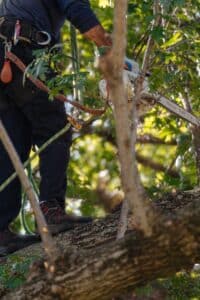
Start with targeted branch thinning to open interior spaces without cutting large scaffold limbs. Focus on removing small-diameter branches that block light paths and trap humidity near the core. Professionals use pruning saws and loppers to make clean cuts just outside the branch collar, which supports better healing. Homeowners can observe improved light patterns within weeks after selective thinning if done correctly.
Next, remove crossing and inward-growing shoots that create dense tangles and divert resources from main branches. Make each cut so remaining limbs maintain natural spacing and clear sightlines through the crown. A pro will often document cut locations with photos and notes to track recovery and future pruning needs. This documentation helps decide whether follow-up thinning or minor crown reduction is necessary for long-term balance.
When addressing wind sail, reduce peripheral surface area gradually and avoid sudden large removals that change loading dramatically. Crews stagger cuts across several seasons when the tree shows high wind exposure or structural concerns. Diagnostic checks include measuring remaining limb diameters and watching branch motion during windy conditions to confirm improved stability. For specific branch thinning strategies that preserve structure, see the guidance at branch thinning.
One practical technique is selective crown cleaning to remove dead, diseased, or weak wood that adds unnecessary wind surface without contributing to photosynthesis. This action improves air flow and light without lowering the live crown ratio too much. In Dallas, TX properties, homeowners often pair this with targeted thinning to protect nearby rooflines. Always contact a professional for cuts near power lines or when the tree requires climbing for safe access.
Timing And Tools For Homeowner Pruning Decisions
Deciding when to prune starts with seasonal cues tied to species and dormancy, not a fixed calendar date. Pruning during dormancy reduces sap loss and stress, and it reveals branch structure more clearly for homeowner assessment. Avoid heavy pruning during active leaf-out when trees channel energy into new growth and wounds heal more slowly. If unsure about species timing, a professional assessment can prevent unnecessary stress to the tree.
Homeowners should stock basic tools for light work: bypass pruners for small shoots, loppers for thicker twigs, and a folding saw for moderate branches. Keep tools sharp and clean to make smooth cuts and lower disease transmission risk between trees on your property. For larger limbs or when cuts sit above shoulder height, do not climb; instead contact a pro with ropes and harnesses for safety. Personal protective equipment like gloves and eye protection reduces common injury risks during homeowner pruning.
Before cutting, perform simple diagnostics: photograph problematic areas, gently flex suspect limbs, and note where light still fails to reach the inner crown. A professional would follow those same steps and add measurements of limb diameter and attachment angle before recommending a targeted plan. Recordings or photos help track healing and show whether follow-up thinning achieved balanced canopy sync over time. If a homeowner notices soil heave or major trunk cracks, stop work and call a specialist immediately.
Small pruning projects benefit from staged work across seasons to avoid sudden load shifts that stress remaining branches and roots. Staging lets homeowners observe how light patterns and limb motion change before making further cuts, reducing the risk of overcorrection. For shaping goals that alter the overall crown form, consider guidance on crown shaping to match pruning timing and technique with desired outcomes.
When To Call A Professional Tree Service For Balance
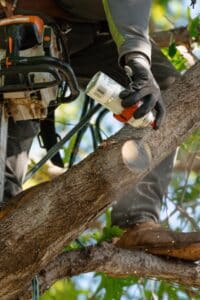
Call a professional when canopy work involves large scaffold limbs, suspected decay, or cuts above shoulder height for safe rigging and access. Professionals inspect attachment angles, measure limb diameters, and may use a binocular and tape measure to document structural needs before cutting. Expect a written plan that lists staged cuts and recovery monitoring to avoid sudden load shifts that could harm the tree. If cuts sit near wires or roofs, a crew with training and equipment reduces risk to people and structures.
- Visible decay near branch unions needs expert evaluation.
- Multiple failing limbs require staged, professional removal.
- Large crown reductions are best handled by teams.
- Work near power lines must be coordinated with utility crews.
When canopy balance links to stability concerns, a pro may perform basic diagnostic checks like sounding wood with a mallet. They will also probe suspect areas and photograph cavities for a written report that guides selective removal. A crew can recommend targeted structural edits to redirect growth and preserve live crown where possible. For edits focused on structure and long-term form, professionals reference methods in our structural canopy edits guidance at structural canopy edits.
Call specialists if you notice increasing lean, soil heave, or new large cracks at the trunk base that suggest root or structural failure. In assessments, teams compare live crown ratio and branch spacing across the tree to decide if thinning alone will restore balance. Homeowners in Dallas, TX should contact a pro sooner when trees sit near buildings or high-use areas. For properties in Midlothian, TX with mature trees showing progressive limb loss, professional planning reduces repeated damage risk and protects nearby plantings.
Preventative Maintenance For Long Term Canopy Health
Set a regular inspection schedule to catch subtle shifts in branch density before they become structural problems. Inspections focus on crown symmetry, wound healing, and new dense shoots forming in shaded pockets. A pro can record findings with photos and a simple written plan to guide future work. Homeowners can track these records to decide when follow-up trimming is needed.
Routine minor thinning every few years preserves light patterns and reduces accumulated wind sail without stressing the tree. Technicians remove small interior shoots and dead wood while leaving scaffold limbs intact for structural support. They use measured cuts and document diameters and attachment angles to avoid over-pruning. This measured approach supports long-term stability and gradual adaptation.
Maintenance also includes seasonal checks for pests, disease, and poor wound closure that can alter canopy density unexpectedly. Professionals may use a moisture meter and visual decay probes during assessments to confirm internal wood health. When intervention is recommended, crews stage cuts over multiple seasons to prevent sudden load shifts. For targeted maintenance plans that tune canopy balance, see the arbor crown tuning resource at arbor crown tune.
Homeowners should note visible changes after each maintenance visit and report new limb motion or fresh splits promptly to a specialist. In Dallas, TX properties, quick follow-up reduces risk near buildings and shaded landscape areas. For mature specimens in Midlothian, TX, planned maintenance helps preserve form and avoids reactive heavy cuts later. Regular, documented upkeep gives professionals and owners clear decision points for future canopy care.
Frequently Asked Questions
How does balanced canopy sync improve light for understory plants?
Balanced canopy sync evens leaf density so sunlight filters through the crown in softer, wider bands. Even light distribution reduces hot spots and shaded gaps beneath the canopy for understory plants. A certified arborist will inspect branch placement, measure canopy spread, and suggest selective thinning to improve light without harming structure. If work requires climbing or heavy cuts, hire a professional to avoid safety risks and tree damage.
When should I schedule thinning to achieve balanced canopy sync?
Schedule thinning in late winter to early spring before new leaf growth to let light penetrate evenly through the crown. Inspect for dense inner growth, asymmetric limbs, or heavy wind sail after storms and schedule sooner if present. For larger trees or work above two stories, exercise caution and hire a professional arborist to reduce fall and structural risks. A pro will confirm timing using an inspection of branch density, cambium health, and canopy balance before cutting.
What signs show a canopy is creating dangerous wind sail?
Visible thinning concentrated on one side, heavy cluster of leaves, or a full flat face toward prevailing winds indicate wind sail developing. Branches that sway violently or creak during moderate breezes show increased wind load and structural stress. Fallen large limbs, new cracks at branch collars, or root heave are serious signs and need immediate attention. Exercise caution and contact a professional arborist to inspect and correct canopy balance for safety and a balanced canopy sync.
How do professionals diagnose uneven branch density?
A certified arborist first walks the property to observe crown shape, light gaps, and wind sail visually from multiple angles. They measure branch length, diameter, and live crown ratio while noting deadwood and epicormic sprouts. Using tools like a clinometer and binoculars, they record canopy density and take photos for a written report. If climbing or chainsaw work is needed, caution about fall and cut hazards and recommend hiring a trained professional.
Will selective thinning harm my tree’s long-term vigor?
Selective thinning, when done correctly, usually improves long-term vigor by reducing branch competition and promoting inner canopy light. A Balanced canopy sync approach removes small crossing and crowded limbs while keeping a healthy branch framework. Poor cuts, over-thinning, or leaving large wounds can stress trees and invite pests, so exercise caution and monitor after pruning. If you have medium-to-high safety risk or large limbs, hire a professional arborist to inspect and perform the work.