

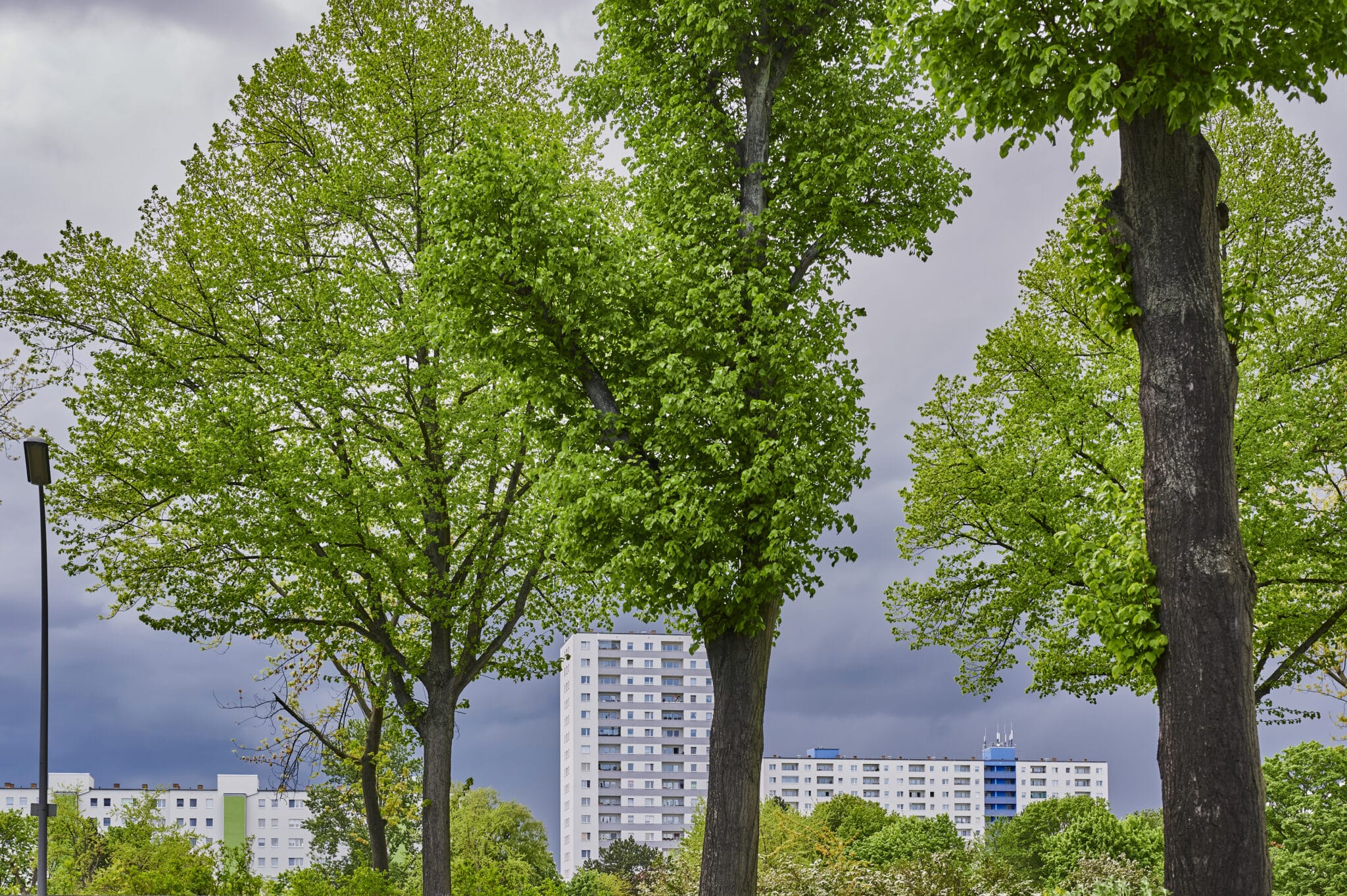
Boosting Tree Resilience in Urban Settings
In bustling urban environments like Arlington, TX, the health and resilience of trees can often be overlooked. Yet, tree resilience is crucial for maintaining urban greenery amidst the challenges of pollution, soil compaction, and the scarcity of planting space. These stressors not only threaten the vitality of urban trees but also the quality of life for city dwellers. By focusing on strategies to enhance tree resilience, communities can ensure their urban forests thrive, benefiting both the environment and the people who live in it.
The journey toward bolstering tree resilience begins with understanding the unique needs of urban trees. Cities like Aledo, TX, face specific challenges that require tailored solutions to prevent tree decline. From selecting the right tree species to implementing proper care practices, every step is vital in building a resilient urban canopy. These actions not only support the trees’ health but also contribute to their ability to withstand urban stresses.
Moreover, engaging the community in tree care initiatives can amplify efforts to boost tree resilience. In Mansfield, TX, for example, local involvement in tree planting and maintenance projects has shown positive impacts on urban forestry. Such community-driven approaches not only foster a stronger connection between residents and their natural surroundings but also encourage collective responsibility towards enhancing urban green spaces.
Ultimately, improving tree resilience in urban areas is a multifaceted endeavor that requires collaboration, knowledge, and dedication. By addressing the specific challenges faced by urban trees, employing strategic care, and fostering community engagement, cities can cultivate healthier, more resilient urban forests. This not only beautifies the urban landscape but also enhances the overall well-being of its inhabitants.
Understanding the Challenges to Tree Resilience in Cities
Trees in urban settings face a unique set of challenges that can hinder their growth and resilience. Factors such as air and soil pollution pose serious threats, weakening trees and making them more susceptible to diseases and pests. Moreover, the hard surfaces that dominate city landscapes prevent rainwater from reaching tree roots, leading to dehydration. Addressing these issues is crucial for enhancing tree resilience in cities like Arlington, TX.
Soil compaction is another significant obstacle for urban trees. This condition results from heavy machinery and foot traffic, which compress the soil, making it difficult for roots to expand and absorb nutrients. In response, cities can adopt practices like mulching and the use of permeable paving materials to alleviate compaction. These methods improve soil health, enabling trees to establish a stronger foundation and better withstand urban pressures.
Limited space is a common challenge in urban areas, restricting the natural expansion of tree roots and canopies. To combat this, selecting the right tree species that can thrive in confined spaces is essential. Species that are adaptable to the urban environment and have a tolerance for pollution and compacted soil should be prioritized. This careful selection ensures that trees can grow and contribute to the urban canopy without causing damage to surrounding infrastructure.
Community involvement plays a pivotal role in boosting tree resilience in urban settings. Initiatives that encourage residents to participate in tree planting and maintenance create a sense of ownership and responsibility towards the urban forest. Cities like Mansfield, TX, have seen the positive effects of such engagement, leading to healthier trees and more vibrant green spaces. Through collective efforts, urban communities can overcome the challenges to tree resilience, ensuring a greener future for all.
The Importance of Species Selection for Urban Environments
Selecting the right tree species is crucial for enhancing tree resilience in urban environments. Trees that can tolerate urban stress factors such as pollution, soil compaction, and limited space are vital. These species are better equipped to thrive, contributing positively to the urban canopy. By focusing on adaptable trees, cities can ensure a greener, more resilient urban landscape.
In Aledo, TX, the choice of tree species takes into account the local climate and soil conditions. This approach ensures that trees have the best chance of survival and growth. It also minimizes the need for excessive maintenance, making urban forestry more sustainable. Choosing the right trees helps in creating an urban forest that can withstand the challenges of city living.
Research into tree species that can flourish in urban settings is ongoing. Scientists and arborists are identifying varieties that not only survive but also enhance urban environments. These trees offer shade, reduce pollution, and improve the overall aesthetics of city landscapes. Their resilience contributes significantly to the health and well-being of urban communities.
Encouraging community involvement in the selection and planting of resilient tree species can foster a deeper connection with the urban forest. In Mansfield, TX, community-led initiatives have shown how collaborative efforts can lead to more successful urban greening projects. When residents are part of the process, they are more likely to care for and protect their local trees. This collective action is key to building a resilient and vibrant urban canopy for future generations.
Innovative Planting Techniques to Enhance Tree Resilience
Innovative planting techniques are revolutionizing the way urban areas in Arlington, TX, approach tree resilience. By adopting vertical planting and rooftop gardens, cities can maximize limited space, allowing trees and greenery to flourish in densely populated areas. These methods not only increase the urban canopy but also improve air quality, offering a breath of fresh air in concrete jungles. As a result, these techniques are pivotal in enhancing the resilience of urban trees against environmental stressors.
Incorporating biochar into the soil is another effective strategy to boost tree resilience. This carbon-rich material, derived from organic waste, helps in retaining moisture and nutrients, making them readily available for tree roots. By using biochar, cities like Aledo, TX, are seeing significant improvements in tree health and growth. This approach not only supports stronger trees but also contributes to carbon sequestration, mitigating the effects of urban pollution.
The practice of structural soil systems is gaining traction as a means to combat soil compaction, a common issue in urban settings. These systems create a matrix that supports pavements and sidewalks while providing ample room for tree roots to expand and breathe. Implementing such systems ensures that trees in cities like Mansfield, TX, have the foundation they need to thrive. This innovative technique is crucial for maintaining tree resilience in areas with heavy foot and vehicle traffic.
Finally, the integration of smart watering systems represents a leap forward in urban tree care. These systems use sensors to monitor soil moisture levels, providing trees with water only when necessary. This precision watering approach conserves water and prevents over or under-watering, conditions that can stress urban trees. By adopting smart watering systems, cities are ensuring that their green spaces remain resilient, vibrant, and sustainable for years to come.
Soil Management Strategies for Urban Tree Health
Soil management is a cornerstone in enhancing tree resilience in urban environments. By improving soil quality, cities can provide a healthier foundation for trees to grow strong and resilient. In Aledo, TX, adopting soil amendments like compost and biochar has shown promising results. These natural enhancers increase the soil’s ability to retain water and nutrients, vital for tree health.
Another effective strategy involves aerating compacted soils to improve oxygen and water flow to tree roots. This process breaks up the dense earth, allowing roots to expand and absorb more nutrients efficiently. In urban areas like Mansfield, TX, regular aeration helps combat the effects of heavy foot traffic and machinery, ensuring trees have the necessary resources to thrive.
Mulching plays a pivotal role in maintaining moist and fertile soil conditions. It acts as a protective layer, reducing water evaporation and keeping roots cool during hot summers. By applying organic mulch around tree bases, cities can significantly reduce the stress on urban trees, promoting greater resilience against environmental challenges.
Lastly, encouraging the use of native plants around tree bases can support soil health and biodiversity. Native species are well-adapted to the local climate and soil conditions, requiring less maintenance and providing natural benefits to urban trees. This symbiotic relationship strengthens the overall ecosystem, making urban forests more resilient and vibrant.
Watering Solutions for Sustainable Urban Tree Growth
Watering solutions play a crucial role in enhancing tree resilience in urban environments. In cities like Aledo, TX, adopting efficient irrigation practices ensures trees receive the right amount of water without waste. These practices include drip irrigation systems that deliver water directly to the roots. This method minimizes evaporation and runoff, making it a sustainable choice for urban greenery.
In Mansfield, TX, rainwater harvesting systems are gaining popularity as a complementary watering solution. These systems collect and store rainwater for later use, providing an eco-friendly water source for urban trees. By utilizing rainwater, cities can reduce their reliance on municipal water supplies. This approach not only conserves water but also supports tree resilience by making use of a natural resource.
The timing and frequency of watering are key factors in promoting tree resilience. Urban trees thrive when watered during the early morning or late evening. This schedule prevents water loss through evaporation during the hotter parts of the day. By adjusting watering schedules according to the season, urban areas can ensure trees receive the moisture they need to remain resilient.
Lastly, educating the community on the importance of proper tree watering can bolster urban tree resilience. Workshops and informational campaigns can teach residents about the benefits of sustainable watering practices. When the community understands the role of water in tree health, they are more likely to support and participate in efforts to maintain urban green spaces. This collective action is essential for fostering a resilient urban canopy.

Pruning Practices to Boost Tree Resilience
Pruning is a vital technique for enhancing tree resilience, especially in urban settings like Arlington, TX. By removing dead or diseased branches, trees can direct more energy towards growth and health. This practice also helps in shaping the tree, ensuring it fits well within the urban landscape without interfering with infrastructure. Proper pruning reduces the risk of falling branches, making the environment safer for residents.
In Aledo, TX, arborists recommend seasonal pruning to maintain tree structure and vigor. Timing is crucial, as pruning during the dormant season minimizes stress on the tree and promotes strong, new growth in the spring. This strategic approach allows trees to better withstand the pressures of urban life, from pollution to soil compaction. Moreover, it makes trees more resistant to pests and diseases, contributing to their overall resilience.
Educating the community on the benefits of proper pruning practices is essential. In Mansfield, TX, workshops and demonstrations provide residents with the knowledge to care for their trees effectively. Such initiatives foster a sense of stewardship over the urban canopy, encouraging people to participate in maintaining the health and safety of their green spaces. When the community is involved, the urban forest becomes a collective asset, cherished and protected by all.
Finally, employing certified professionals for pruning ensures the best outcomes for tree resilience. Experts understand how to make precise cuts that heal quickly, preventing unnecessary harm to the tree. They also recognize the unique needs of different species, tailoring their approach to support each tree’s growth and longevity. With skilled care, urban trees can flourish, enhancing the beauty and ecological balance of cities.
The Role of Community Engagement in Urban Tree Care
Community engagement plays a pivotal role in enhancing tree resilience in urban environments. By involving local residents in tree care initiatives, cities like Aledo, TX, can foster a sense of ownership and responsibility towards the urban forest. This involvement not only educates the public on the importance of tree maintenance but also encourages active participation in planting and preservation efforts. As a result, urban trees benefit from a community-driven approach to care, increasing their chances of thriving despite the challenges of city living.
Workshops and educational programs are effective tools for raising awareness about the critical role trees play in urban ecosystems. In Mansfield, TX, such initiatives have successfully mobilized community members to take part in tree care activities. These programs equip individuals with the knowledge needed to support tree resilience, from proper watering techniques to recognizing signs of tree distress. Engaged and informed, residents become valuable allies in the mission to sustain urban green spaces.
The collaboration between city authorities, local businesses, and residents can lead to innovative solutions for urban tree care. Partnerships focused on tree planting and maintenance projects not only pool resources but also amplify the impact of efforts to boost tree resilience. This collective action demonstrates how community cohesion can lead to healthier, more resilient urban forests. Together, stakeholders can address the unique challenges faced by urban trees, ensuring their growth and longevity.
Ultimately, the success of urban tree care initiatives relies heavily on the active participation of the community. By creating opportunities for engagement, cities can cultivate a culture of stewardship for the urban canopy. This shared commitment to tree resilience enriches the urban environment, making cities like Arlington, TX, greener and more livable for all residents. Through collaboration and education, the community becomes a key player in safeguarding the future of urban trees.
Monitoring and Maintenance: Key to Long-Term Tree Resilience
Monitoring and maintaining urban trees is essential for their long-term resilience. Regular checks help identify potential problems early, preventing minor issues from becoming major threats. In Arlington, TX, arborists conduct periodic assessments to ensure trees remain healthy and strong. This proactive approach supports tree resilience by addressing stressors before they impact growth.
In Aledo, TX, maintenance routines include mulching, soil aeration, and proper watering. These practices keep the soil around trees in optimal condition, promoting robust root systems. By focusing on the foundation of tree health, the community ensures trees can withstand urban challenges. Such diligent care is crucial for sustaining the urban canopy’s vitality.
Mansfield, TX, has implemented a system for residents to report concerns about urban trees. This community involvement plays a significant role in the monitoring process. When citizens actively participate, issues like pest infestations or disease outbreaks are quickly managed. This collaboration between the public and professionals strengthens the overall resilience of urban trees.
Ultimately, consistent monitoring and maintenance are key to enhancing tree resilience in urban settings. Through regular care and community cooperation, cities can nurture trees capable of thriving in the face of urban pressures. This commitment to the urban forest ensures a greener, healthier environment for future generations. By prioritizing the well-being of trees, we invest in the sustainability of our urban landscapes.

Frequently Asked Questions
What is tree resilience?
Tree resilience refers to a tree’s ability to withstand and recover from stressors like pollution and extreme weather. In urban environments, these challenges are more pronounced due to factors like soil compaction and limited growing space. Enhancing this resilience is crucial for the health and longevity of city trees. It involves adopting practices that improve their growth conditions and resistance to pests and diseases.
How to plant trees in urban areas?
Planting trees in urban areas starts with selecting the right species that can thrive in challenging conditions. Next, ensure the planting site allows for ample root growth and access to sunlight. Incorporate well-draining soil to prevent waterlogging and promote healthy root development. Regularly watering and mulching help the tree establish itself and enhance its resilience against urban stressors.
Why is tree resilience important?
Tree resilience is key to a healthy urban environment. Strong trees provide much-needed shade, reduce air pollution, and support local wildlife. They also stand better against the challenges of city living, from harsh weather to pollution. By boosting tree resilience, we ensure greener, more vibrant cities for everyone.
What threats do urban trees face?
Urban trees often struggle with limited space, which hampers their root and canopy growth. Pollution from cars and industries also poses a significant threat, affecting their health. Soil compaction, a common issue in cities, restricts water and nutrient absorption. Lastly, extreme weather conditions, intensified by urban heat islands, challenge their survival and resilience.
How to water trees in cities?
Watering trees in urban areas requires a careful approach to ensure deep root hydration. It’s best to water early in the morning or late in the evening to reduce evaporation. Slow, deep watering methods, like drip irrigation, are ideal for reaching the roots without wasting water. Regularly checking soil moisture helps maintain optimal hydration levels, boosting tree resilience against urban stressors.