

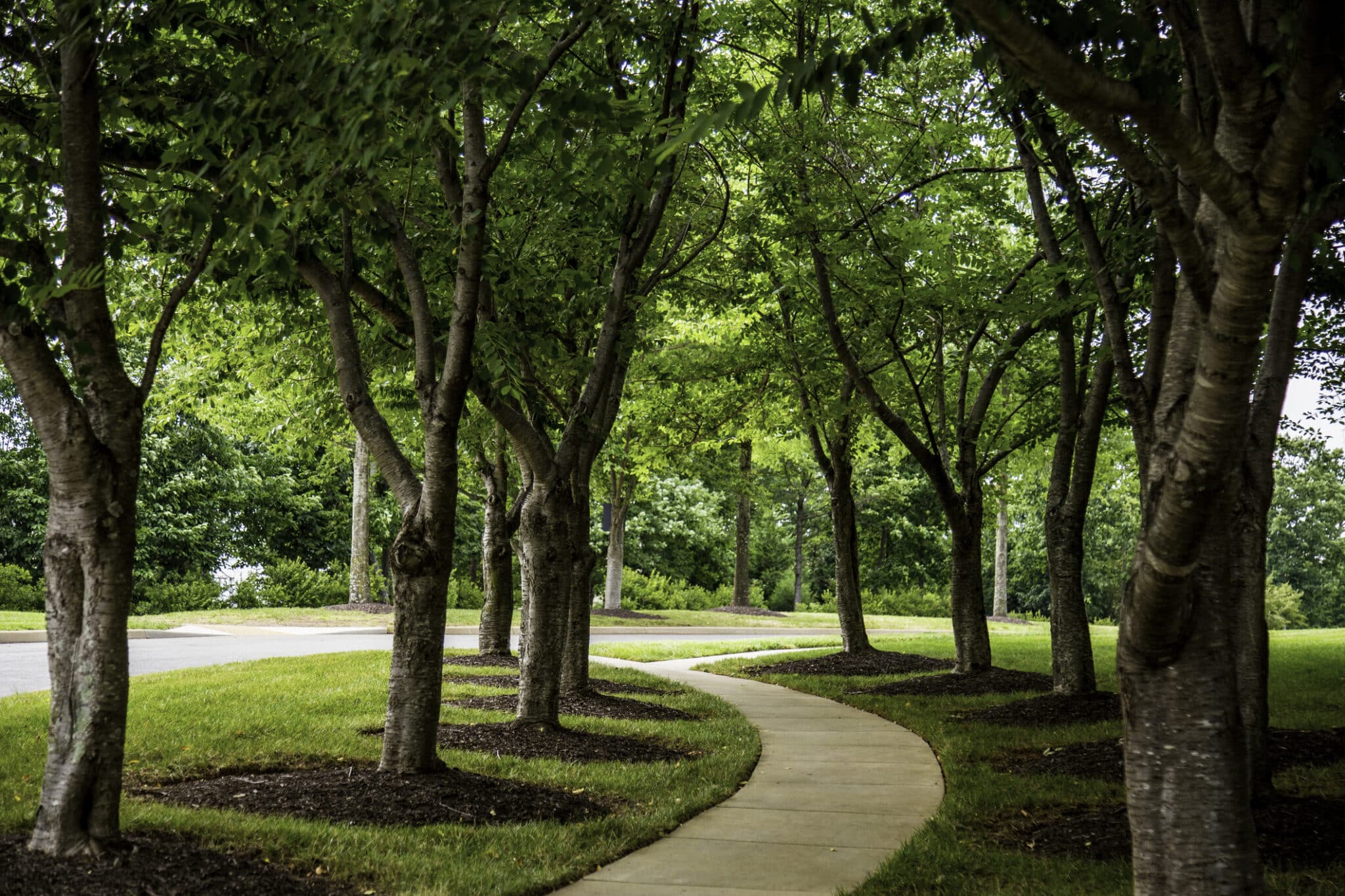
Innovative Tree Health Solutions for Urban Environments
Urban environments present unique challenges for tree health, from pollution to cramped spaces. However, innovative tree health solutions are emerging to tackle these issues head-on. In cities like Arlington, TX, where green spaces are highly valued, maintaining tree health is not just a matter of aesthetics but also of community well-being. These solutions offer a promising way forward for urban landscapes seeking to thrive.
S&P Tree Service, based in Arlington, TX, stands at the forefront of these innovative tree health solutions. They understand that each tree’s needs are as diverse as the urban environments they inhabit. By integrating cutting-edge techniques and technologies, they ensure trees not only survive but flourish. This approach is crucial in urban areas where environmental stressors can significantly impact tree health.
In places like Weatherford, TX, the demand for green, healthy trees in urban settings is growing. Innovative tree health solutions are the key to meeting this demand. They encompass a range of strategies, from soil health improvement to precision pruning techniques. These methods are designed to enhance the natural resilience of trees, making them better equipped to withstand urban challenges.
Embracing innovative tree health solutions benefits everyone in the community. Healthier trees mean cleaner air, cooler cities, and more beautiful landscapes. As we continue to explore and implement these solutions, cities like Arlington and Weatherford become greener and more livable. The commitment to tree health today lays the groundwork for more sustainable, vibrant urban environments tomorrow.
The Importance of Tree Health in Urban Areas
Understanding the importance of tree health in urban areas is crucial for cities like Arlington, TX. Trees offer more than just shade and beauty, they play a significant role in improving air quality and reducing urban heat islands. Innovative tree health solutions are therefore essential in addressing the unique challenges faced by trees in these environments. They ensure that trees can thrive amidst the concrete and asphalt of city landscapes.
One key aspect of these solutions is the focus on soil health. Healthy soil is the foundation of a healthy tree, providing the necessary nutrients and water for growth. In urban settings, soil often becomes compacted and polluted, making it difficult for trees to absorb what they need. Innovative approaches, such as soil remediation and the use of biochar, can revitalize urban soils, enabling trees to flourish.
Precision pruning stands out as another critical technique. This method involves removing specific branches to improve a tree’s structure and health, rather than indiscriminate cutting. In Weatherford, TX, precision pruning has helped maintain the health and appearance of urban trees, ensuring they can withstand the stresses of urban life. This targeted approach minimizes damage and promotes the tree’s long-term vitality.
Finally, the integration of technology plays a pivotal role in these innovative tree health solutions. Tools like moisture sensors and growth models allow for more informed decision-making regarding tree care. By monitoring a tree’s health in real-time, urban arborists can quickly address any issues that arise. This proactive approach is key to maintaining vibrant urban forests that benefit communities for years to come.
Innovative Tree Health Solutions for Pollution Reduction
Innovative tree health solutions play a pivotal role in combating urban pollution, especially in areas like Arlington, TX. These strategies include the development of pollution-absorbing tree varieties that can thrive in harsh urban conditions. By selecting species with higher tolerance to pollutants, urban landscapes can become not only greener but cleaner. This approach significantly reduces airborne contaminants, contributing to a healthier urban environment.
Another key method involves enhancing the tree’s surrounding environment to mitigate pollution effects. In Weatherford, TX, planting companion plants around trees has shown to improve air quality. These plants can absorb pollutants at ground level, while the trees tackle the higher air strata. This layered purification system creates a more effective barrier against urban pollution, showcasing the power of innovative landscaping solutions.
Water management practices also contribute to reducing pollution stress on trees. Efficient irrigation systems ensure that trees receive the right amount of water without wastage. This is crucial in urban settings where water runoff can carry pollutants to the roots. By optimizing water use, trees remain healthy and more capable of processing and filtering pollutants from the air.
Lastly, the use of structural soil is a groundbreaking solution that supports tree health in paved urban areas. This innovative material allows roots to grow under sidewalks without lifting them, ensuring trees get enough oxygen and water. This not only supports the tree’s growth and health but also its ability to clean the air. Through these innovative tree health solutions, cities like Arlington and Weatherford are becoming leaders in urban pollution reduction, making them safer and more pleasant for their residents.
Space-Saving Techniques for Urban Tree Planting
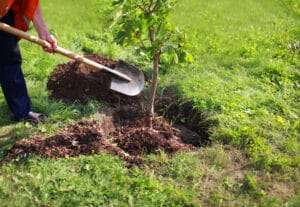
In urban areas like Arlington, TX, space constraints often challenge tree planting initiatives. Innovative tree health solutions now include vertical gardens and rooftop trees, maximizing green spaces without expanding horizontally. These approaches allow for lush vegetation in densely populated areas, enhancing urban aesthetics and air quality. By adopting such strategies, cities can support more trees within limited spaces, contributing to healthier environments.
Weatherford, TX, has embraced the concept of pocket parks, small green spaces creatively integrated into urban landscapes. These parks often feature trees that thrive in confined areas, using specially designed planting techniques to ensure their growth and health. This method not only conserves space but also introduces nature into urban settings, providing residents with accessible green retreats. Pocket parks represent a practical application of innovative tree health solutions, balancing urban development with environmental preservation.
Another space-saving technique involves the use of tree pits and planters engineered to support tree growth in paved areas. These installations are designed to allow roots to access water and nutrients without disrupting the urban infrastructure. By implementing these solutions, cities can increase their tree canopy cover, mitigating heat island effects and improving air quality. It’s a smart way to integrate nature into cities, ensuring trees flourish even in the most unlikely places.
Lastly, the development of dwarf tree varieties offers a promising avenue for urban tree planting. These smaller trees fit perfectly in restricted spaces, requiring less room to grow while still providing the benefits of their larger counterparts. They are ideal for planting along streets and in small yards, where traditional trees might not be feasible. Through these innovative tree health solutions, even the most compact urban areas can enjoy the environmental and aesthetic advantages of a thriving tree population.
The Role of Technology in Monitoring Tree Health
With the advancement of technology, innovative tree health solutions have become more sophisticated and effective. In Arlington, TX, arborists now employ drones to monitor tree canopies, identifying areas of stress or disease from above. This aerial perspective allows for a comprehensive health assessment without disturbing the tree or its surroundings. It’s a prime example of how technology aids in the precision care of urban trees.
In Weatherford, TX, the use of Geographic Information Systems (GIS) has revolutionized tree management. By mapping tree populations and their health status, city planners and arborists can make informed decisions about care and planting strategies. This technology ensures that each tree receives the attention it needs, contributing to a healthier urban forest. GIS technology exemplifies how data-driven approaches can enhance tree health in urban environments.
Smart irrigation systems represent another technological breakthrough in maintaining tree health. These systems adjust water delivery based on the tree’s actual needs, which are monitored through soil moisture sensors. Such innovations prevent over or under-watering, a common issue in urban settings. By optimizing water use, these systems ensure trees remain hydrated and healthy, even during periods of drought or excessive rainfall.
Lastly, the development of mobile apps for tree health monitoring has empowered both professionals and citizens in Arlington and Weatherford. These apps allow users to report issues, track tree growth, and learn about tree care. Engaging the community in tree health contributes to a more vibrant and sustainable urban canopy. Through these technological tools, innovative tree health solutions are more accessible and effective than ever.
Sustainable Water Management for Urban Trees
Innovative tree health solutions extend into the realm of water management, crucial for urban trees’ survival and growth. In Arlington, TX, the adoption of smart irrigation systems has revolutionized the way water is delivered to trees. These systems use sensors to measure soil moisture, ensuring trees receive the right amount of water without waste. This approach not only conserves water but also supports the trees in maintaining their health in urban settings.
Weatherford, TX, showcases the benefits of rain gardens and bioswales in sustainable urban water management. These features naturally filter and direct rainwater to where it’s most needed, reducing runoff and pollution. By integrating these systems into urban landscapes, cities can enhance the effectiveness of their innovative tree health solutions. This method proves that managing water sustainably can bolster the health and resilience of urban trees.
Mulching is another technique that complements innovative tree health solutions by conserving soil moisture and improving soil quality. Applying organic mulch around trees helps to retain water, suppress weeds, and regulate soil temperature. This simple yet effective strategy aids in the efficient use of water resources, ensuring that urban trees in areas like Arlington can thrive. Mulch serves as a critical component in the sustainable management of urban tree water needs.
Lastly, the implementation of drought-resistant tree species forms a proactive part of innovative tree health solutions. By selecting trees adapted to the specific conditions of cities like Weatherford, urban planners can reduce the need for frequent watering. This forward-thinking approach not only conserves water but also ensures that urban forests remain resilient against the challenges of climate change. Through these strategies, cities can achieve a sustainable balance, supporting tree health and urban water management.
Innovative Soil Improvement Techniques for Tree Vitality
Innovative tree health solutions are transforming the way urban areas like Arlington, TX, approach tree vitality, especially through soil improvement techniques. One effective method is the introduction of mycorrhizal fungi into the soil. These beneficial fungi form a symbiotic relationship with tree roots, enhancing water and nutrient absorption. This natural partnership encourages stronger, healthier trees capable of thriving in the challenging urban landscape.
Another groundbreaking technique involves the use of biochar, a highly porous carbon that improves soil structure and fertility. By adding biochar to the soil around trees, arborists in Weatherford, TX, have observed significant improvements in tree growth and health. Biochar not only retains moisture and nutrients but also helps to detoxify soil, providing a cleaner environment for tree roots. This innovative approach contributes to the overall resilience of urban trees against stressors like pollution and compacted soil.
Composting is also gaining traction as a key component of innovative tree health solutions. By enriching the soil with organic compost, cities ensure that trees receive a steady supply of essential nutrients. This practice not only boosts tree vitality but also promotes sustainable urban landscaping by recycling organic waste into valuable compost. It’s a simple yet effective strategy for enhancing soil quality and supporting robust tree growth in urban settings.
Lastly, the adoption of vertical mulching techniques stands out as a novel solution for compacted urban soils. This process involves drilling holes around the tree’s drip line and backfilling them with rich organic material. The technique aerates the soil, improving oxygen and water penetration to the tree’s root zone. Through these innovative soil improvement techniques, urban trees in Arlington and Weatherford are experiencing enhanced vitality, setting a precedent for cities nationwide to follow.
Community Involvement in Urban Tree Care
Engaging the community in urban tree care marks a significant stride toward sustainable environments in cities like Arlington, TX. Innovative tree health solutions thrive when residents actively participate in maintaining and enhancing urban greenery. This collaboration fosters a deeper connection between people and their natural surroundings, encouraging stewardship and respect for the environment. By involving community members in tree planting and care initiatives, cities cultivate a shared responsibility for urban forests.
Educational programs play a crucial role in empowering citizens with the knowledge to support tree health. In Weatherford, TX, workshops and seminars on innovative tree health solutions equip individuals with the skills to identify and address tree health issues. These educational efforts demystify the science of arboriculture, making it accessible to all. As a result, residents become proactive guardians of their local trees, contributing to a greener, healthier urban canopy.
Volunteer programs further amplify the impact of community involvement in tree care. By offering opportunities to participate in tree planting and maintenance activities, cities tap into a valuable resource of enthusiastic volunteers. These programs not only enhance the urban landscape but also build a sense of community pride and accomplishment. Volunteers, in turn, gain a hands-on understanding of the importance of innovative tree health solutions, becoming advocates for urban trees in their neighborhoods.
Lastly, the use of social media and digital platforms has revolutionized the way communities engage with tree care initiatives. Cities leverage these tools to share information, organize events, and celebrate the successes of their tree health programs. This digital engagement reaches a wide audience, inspiring more individuals to take part in caring for their urban forests. Through these collective efforts, communities become key players in implementing innovative tree health solutions, ensuring the vitality of urban trees for generations to come.
Case Studies: Success Stories of Urban Tree Health
In Arlington, TX, one remarkable success story showcases the impact of innovative tree health solutions in transforming urban landscapes. The city implemented a comprehensive tree health program, focusing on soil improvement and moisture management. This initiative led to a noticeable increase in tree survival rates, even in densely populated areas. The success in Arlington highlights the effectiveness of tailored, innovative approaches in urban tree care.
Weatherford, TX, offers another inspiring example, where community engagement and technology merged to enhance tree health. The city launched a mobile app that allowed residents to report tree health issues, facilitating rapid response from arborists. As a result, Weatherford saw an improvement in the overall health of its urban forest. This case underlines the power of combining technology with community involvement to protect and improve urban green spaces.
In another instance, a pilot project in Arlington employed advanced irrigation techniques to conserve water while ensuring trees received adequate moisture. The project utilized smart sensors to deliver water precisely when and where it was needed, reducing waste. The success of this project not only conserved water but also promoted healthier urban trees, demonstrating the potential of technology in sustainable urban forestry.
Finally, Weatherford’s initiative to introduce pollution-resistant tree species into its urban landscape stands as a testament to innovative thinking. By selecting trees capable of thriving in challenging conditions, the city significantly improved its air quality and urban aesthetic. This approach showcases how innovative tree health solutions can address specific urban challenges, making cities like Weatherford more livable and environmentally friendly.

Frequently Asked Questions
What are Innovative Tree Health Solutions?
Innovative tree health solutions are changing the way we care for trees in urban areas. Techniques such as soil remediation improve the environment around roots, enhancing growth. Vertical planting systems allow for greenery in limited spaces, maximizing urban canopy cover. Additionally, integrated pest management strategies protect trees from common urban threats, ensuring their longevity and vitality.
How do urban environments affect tree health?
Urban environments pose unique challenges for tree health. Limited space restricts root growth and reduces access to water and nutrients. Pollution from vehicles and industry can damage leaves and hinder photosynthesis. However, innovative tree health solutions are being developed to address these issues, ensuring trees thrive even in crowded cities.
Can technology improve urban tree care?
Yes, technology plays a crucial role in enhancing urban tree care. Smart irrigation systems ensure trees receive the right amount of water, reducing waste. Drones can monitor tree health from above, spotting issues early. Soil sensors measure moisture and nutrient levels, guiding precise care. These innovative tree health solutions make maintaining urban trees more efficient and effective.
Why are Innovative Tree Health Solutions important?
Innovative tree health solutions are vital for urban tree survival. They tackle issues like pollution and space limits, ensuring trees grow strong. These methods also boost the urban canopy, making cities greener and healthier. By embracing these solutions, we safeguard our environment for future generations.
What challenges do trees face in cities?
Trees in cities often struggle with limited growing space, impacting their root expansion and overall health. Pollution from cars and factories can weaken their leaves and slow down growth. Additionally, the hard surfaces of urban areas limit water absorption, making drought more stressful for them. Innovative tree health solutions are designed to combat these challenges, ensuring trees can thrive even in these tough conditions.