


Restoration Pruning to Fix Past Overcuts in Dallas
Key Takeaways About Restoration Pruning
Restoration Pruning is the staged process arborists use to undo topping and rebuild a tree’s strong framework. This guide is for homeowners and property managers who face safety risks or decline after bad cuts and need a realistic recovery plan.
- Identify failing attachments decay and epicormic growth early
- Prevent further damage by planning staged interventions over time
- Avoid one‑time heavy reductions that cause shock and decline
- Spot weak water sprouts narrow angled stems and included bark
- Reduce hazard by selecting strong laterals and removing dangerous limbs
- Plan follow up inspections monitoring and targeted aftercare for recovery
Introduction
Restoration pruning describes how arborists undo past topping and bad cuts to restore a tree’s safe, functional structure. Many homeowners first notice weak branch unions, water sprouts, or decay after improper cuts. These problems matter because they raise the risk of branch failure and long term decline. In Arlington and surrounding areas, neglected cuts can shorten a tree’s useful life and threaten property.
Bad cuts often cause rapid, messy regrowth that looks dense but is structurally poor. That regrowth can hide internal decay and create heavy, unstable limbs. A professional examines wound response and branch attachment quality to determine next steps. Effective restoration focuses on removing hazards while preserving leaf area for recovery.
Timelines matter because trees heal slowly and repeated severe cutting causes more harm than good. Expect multiple visits spaced months or years apart to guide safe recovery and reduce stress. Arborists plan cuts to redirect growth and gradually rebuild a strong canopy over time. Patience and staged work protect the tree from shock and decline.
Diagnosing the true condition starts with a visual inspection of trunk wounds, branch collars, and cavity depth. Professionals also use simple checks like pull tests and measurements of branch diameter ratios. Aftercare such as monitoring, corrective pruning, and targeted grading supports long term health. For homeowners in Dallas, understanding these steps helps set realistic expectations about outcomes and timing.
What Restoration Pruning Means And Why It Works
Restoration pruning means carefully removing poorly placed or damaged wood to recreate a safe, functional tree framework. The main goal is to reduce hazard while keeping enough leaf area so the tree can photosynthesize and recover. Homeowners often ask whether restoration pruning can undo topping, the answer is yes, but it takes staged work over time. Professionals balance removing weak material and preserving growth to avoid excessive stress on the tree.
- Remove crossing and rubbing branches.
- Cut back to strong lateral branches.
- Eliminate narrow-angled attachments.
- Thin dense clusters of water sprouts.
Arborists use selective cuts rather than repeated heavy reductions to steer new growth into stronger positions. This strategy reduces the weight on old wounds and encourages larger, well-spaced scaffold limbs to form. One common homeowner question is how many visits are needed, usually several sessions are required across months or years. Staged pruning limits the shock from sudden leaf loss and lowers the risk of decline after repairs.
Diagnosis guides which cuts to make and where to stop, using visual checks of branch collars and decay ports when visible. A professional may perform simple pull tests and measure branch diameter ratios to confirm whether a limb is structurally sound. Photos and written notes help track healing between visits and shape future cuts. For some properties in Arlington and Dallas, the same phased approach applies because tree biology, not property size, drives recovery timing.
Common Causes Of Overcuts And Topping Damage
Many overcuts and topping start from simple homeowner choices like reducing canopy size quickly. Lawn contractors or property managers sometimes make flush cuts that remove branch collars and leave large stubs. Those wounds interfere with proper compartmentalization and invite decay or fungal entry over time. In Arlington, repeated flattening cuts often trigger dense water sprout growth that increases failure risk.
Poor initial pruning technique also stems from mistaken goals, such as aiming for a uniform hedge-like shape. That approach removes scaffold branches and destroys natural branch architecture needed for strength. Without strong laterals, trees form narrow-angled regrowth that splits under wind or ice. Professionals call this regrowth codominant or included bark, which reduces attachment strength.
Another common cause is emergency reductions after storms without follow-up planning. Quick reductions remove weight but leave large wounds and vulnerable unions behind. If those cuts are not corrected with staged restoration, decay can expand and hidden cavities may form. Homeowners in Dallas sometimes see these issues after multiple storm-season repairs done too aggressively.
Insects and disease can worsen damage initiated by bad cuts, especially when wood is exposed and stress is high. Boring insects and opportunistic fungi exploit weakened tissue around old pruning wounds. During diagnosis an arborist checks for internal decay using visual cavity inspection, sounding with a mallet, and recording wound size relative to branch diameter. For newly planted trees, structural pruning guidelines can prevent repeating these problems, as explained in resources like structural pruning for newly planted trees.
Recognizing Warning Signs Of Structural Weakness
Look for uneven growth where one side of the crown bears larger, heavier limbs that tilt the trunk. Cracks at branch unions, splitting bark, and sudden canopy gaps often indicate failing attachments needing professional attention. An arborist will check for decay fruiting bodies and soft wood when probing wounds during inspection. Homeowners may notice a hollow sound when tapping the trunk, a sign that deeper decay could exist.
Repeated dense clusters of water sprouts or epicormic shoots along large limbs show the tree is compensating for lost leaf area. These shoots grow quickly but have weak attachments and increase wind drag on the canopy. A pro will measure branch diameter ratios and perform controlled pull checks to confirm which shoots are structurally unfit. In many cases, strategic thinning reduces weight while keeping enough foliage for recovery.
Look for cambium discoloration, exposed heartwood at old cuts, and bark separation around pruning wounds as warning signs. These visual cues point to poor wound closure and possible internal decay progression over time. An inspector may use a mallet for sounding or take photos and written notes to document the problem for phased restoration. For some properties in Arlington, early documentation helps plan staged interventions that limit shock to the tree.
Excessive epicormic growth combined with narrow-angled co-dominant stems commonly precedes branch failure during storms and heavy loads. Professionals compare those stem angles and taper to decide whether to remove or retain specific leaders during restoration pruning. Homeowners in Dallas should watch for sudden dieback at tips or heavy leaf loss after cuts, which warrant a professional follow-up. Timely recognition and diagnostic checks guide a safer, more effective restoration path.
Step By Step Restoration Pruning Strategy Overview
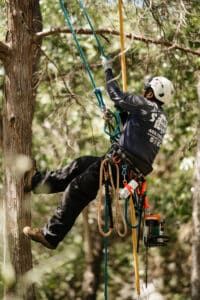
Start by mapping priorities: identify failing attachments, large old wounds, and compensating water sprouts that raise risk. A professional creates a phased cut plan showing which limbs to reduce now and which to delay. Early cuts remove obvious hazards while keeping enough leaf area to support recovery. This plan often spans multiple visits to limit stress and monitor healing progress.
- Remove immediate failure hazards.
- Reduce overly long scaffold limbs.
- Select strong lateral branches to keep.
- Thin dense epicormic clusters.
Next, apply selective reductions to redirect growth toward strong laterals and improve branch spacing. Arborists avoid flat, stubby cuts and favor cuts just outside branch collars to aid closure. Tools include bypass pruners for small shoots and handsaws for larger-trained limbs during staged sessions. For safe removal of large limbs, crews follow the three-cut method for safe limb removal.
Subsequent visits focus on refining scaffold choices and correcting any weak leaders that developed after earlier cuts. Each follow-up removes no more than a moderate percent of canopy to prevent shock and decline. Professionals monitor wound closure, new leader development, and signs of decay between sessions. Homeowners in Arlington should expect patience and staged work for lasting structure recovery.
Final shaping sessions aim to balance form and function while leaving the tree with healthy photosynthetic capacity. Aftercare includes targeted thinning and occasional corrective cuts timed by growth and seasonal activity. Inspectors use photos, taped measurements, and simple pull tests to confirm improved attachment strength. Property owners in Dallas benefit from keeping records of each visit to guide long-term maintenance decisions.
Timing And Long Term Timelines For Recovery
Recovery starts with timing cuts to the tree’s growth cycle so wounds heal during active wood production. Arborists schedule larger structural reductions during periods of active sap flow to promote faster wound compartmentalization. They avoid major pruning right before dormancy when carbohydrate reserves fall and healing slows. For many species, spring through early summer work best to balance growth and wound closure.
Expect visible improvement on scaffold selection within one to three growing seasons, depending on species and size. Full restoration of branch architecture often requires three to ten years of staged interventions and monitoring. During that time, professionals check wound closure, new leader strength, and signs of decay progression with simple tools and measurements. Homeowners in Arlington should plan for multiple visits rather than a single corrective cut.
Between major visits, short maintenance checks happen every six to eighteen months to manage epicormic shoots and refine leaders. These checkups remove weak shoots and encourage chosen laterals to thicken without stressing the tree. Technicians often document changes with photos, diameter measurements, and notes to guide future cuts. For properties in Dallas, regular monitoring helps catch problems before they need emergency removals.
Long-term success depends on aftercare that supports recovery without overpruning or underfeeding the tree. Nutrient and watering plans follow diagnostic findings and may include targeted treatments to improve vigor described under tree vitality techniques. When making follow-up pruning cuts, crews focus on clean, proper branch collar cuts to aid closure and limit decay, using standards shown in branch collar cuts. Patience, staged work, and consistent monitoring give the best chance for structural recovery over years.
How Professionals Decide When To Intervene
Arborists decide to step in when observable cues suggest staged work won’t control risk or recovery alone. They assess current growth patterns, wound size, and attachment quality to weigh intervention benefits. A pro will check cambial health by making small, targeted inspections and noting sap flow or discoloration. If nutrient stress or repeated dieback appears, more proactive structural work becomes necessary to prevent future failures.
Diagnosis includes specific checks like branch diameter ratios, pull tests on suspect limbs, and sounding cavities with a mallet. Professionals also inspect attachment angles and included bark, which often require mitigation strategies similar to codominant stem work found in codominant mitigation. They document findings with photos and measurements to plan phased cuts that limit shock while improving strength. These records also guide decisions about timing for follow-up visits and monitoring.
Decision factors include species vigor, remaining leaf area, wound closure rate, and the size of available lateral branches to form new scaffolds. If a tree lacks adequate laterals to rebuild structure safely, arborists may delay heavy reductions and instead focus on training smaller leaders. Homeowner concerns about proximity to structures or utilities can prompt earlier intervention to reduce hazard. In Arlington neighborhoods, arborists often prioritize interventions that reduce immediate failure risk near homes.
Professionals balance risk reduction against the tree’s ability to recover and the homeowner’s tolerance for staged timelines. When decay reaches a threshold or attachments show progressive failure, they choose more definitive corrective cuts rather than conservative maintenance. For properties in Dallas where public safety or property exposure is higher, crews may accelerate planned stages to address urgent hazards. Clear documentation and defined follow-up schedules ensure homeowners know when further work will occur and why.
Aftercare Maintenance And Monitoring For Recovery
After a restoration pruning session, monitor the tree regularly for new epicormic shoots, cambium discoloration, and wound closure progress. Check wounds monthly during the first growing season to catch infection or insect activity early. Use photos and a tape measure to record wound diameter and new leader growth each visit. If you notice unusual dieback or sudden heavy sprouting, contact a professional for a follow-up inspection.
- Inspect major wounds for swelling or ooze.
- Remove weak water sprouts during early growth.
- Watch for insect entry holes near old cuts.
- Document changes with dated photos.
- Schedule corrective pruning within the first two years.
Control of excessive water sprouts reduces weight and redirects growth to chosen scaffold branches after restoration pruning. A pro may thin sprouts selectively while keeping enough foliage to sustain the tree’s energy reserves. Homeowners should avoid repeatedly shearing sprouts, which forces more weak regrowth and delays proper structure formation. For detailed methods on managing these shoots consult the guidance on epicormic control to curb water sprouts.
Simple checks help diagnose recovery without specialized tools: tap the trunk for hollow sounds and perform a gentle pull test on suspect limbs. Record any soft wood detection or unexpected movement during pulls to plan corrective cuts later. In Arlington, seasonal watering during drought years supports wound compartmentalization and new leader development. In Dallas properties, watch for quick regrowth that may require earlier thinning to protect forming scaffolds.
Preventing Future Damage Through Proper Pruning Practices
Start by setting a clear pruning schedule that limits major cuts to staged sessions over several years. Communicate goals with your arborist so each visit targets specific structural outcomes and avoids repeating heavy reductions. Ask the crew to record decisions and measurements during visits to guide future work and keep owners informed. This record supports consistent care and reduces the chance of well-meaning but damaging follow-up pruning.
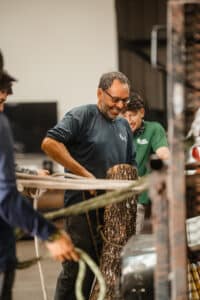
Train property caretakers and contractors on correct pruning cuts and where to stop to prevent future topping or flush cuts. A short demonstration on making cuts just outside the branch collar helps reduce wounds that invite decay. Encourage using proper tools like bypass pruners and pruning saws sized for the job rather than hedge trimmers. Clear written guidance prevents accidental harm when non-arborists perform landscape maintenance.
Use periodic structure checks with a professional to catch developing weak attachments before they require drastic removal. A formal tree structure analysis can identify codominant stems, included bark, and unsuitable leaders needing attention. Schedule these checks based on species growth rate so interventions happen while laterals are still viable. Early detection minimizes large wounds and preserves more of the tree’s live tissue.
Limit corrective responses to measured actions: thin dense regrowth, remove only necessary weak limbs, and avoid repeated drastic reductions. Support recovery through proper watering and mulching during stress periods rather than aggressive pruning alone. If issues are near structures or utilities, consult an arborist before any action to balance safety and tree health. For homeowners in Dallas and Arlington, consistent, informed pruning habits prevent the cycle of topping and promote long-term stability.
Frequently Asked Questions
How does restoration pruning fix past topping damage?
Restoration pruning removes weak regrowth and redirect growth into a few well-spaced scaffold branches to rebuild structural integrity. Arborists make selective cuts at branch collars and along lateral branches to preserve natural healing and reduce decay. The work happens over several years with gradual crown reduction and regular follow-up to avoid stress from large one-time cuts. Because working aloft and cutting large limbs presents safety risks, hire a professional arborist for inspections and pruning.
When should I call a pro for restoration pruning?
Call a pro when you notice large stubs, repeated epicormic sprouting, or structural imbalance after a topping event. A certified arborist can assess decay, weak attachment points, and the tree’s vigor during Restoration Pruning planning. If branches are near power lines, roofs, or represent a fall hazard, stop work and hire a professional immediately. Professionals provide a safety-first approach, using climbing gear, pruning saws, and decay inspection to reduce risk and guide recovery.
What stages are involved in restoring tree structure?
Arborists start with a thorough inspection to identify past overcuts, decay, and weak branch attachments using visual checks and measurements. They remove hazardous limbs and poorly attached sprouts to reduce risk, and caution homeowners to hire a professional for any overhead work. Next they apply staged Restoration Pruning over months to years, selectively reducing competing branches and promoting strong scaffold development. Finally they monitor wound closure and new leader growth, adjust pruning during annual inspections, and recommend mulching and targeted watering for recovery.
How long does restoration pruning take to show results?
Most visible improvement after restoration pruning appears within one to three growing seasons as new scaffold branches develop and leaf cover increases. Structural balance and reduced water sprouting can take two to five years depending on species, size, and prior damage. Monitor for signs of decay, persistent weak unions, or pest problems and contact a professional if you see these safety concerns. A certified arborist can provide a timeline and staged pruning plan based on inspection and ongoing growth observations.
What aftercare is needed following restoration pruning?
After restoration pruning, monitor the tree for new shoot development and signs of stress such as wilting or dieback. Water deeply during dry spells and mulch the root zone to conserve moisture and reduce soil temperature. Avoid heavy fertilization immediately, consult an arborist if pest or fungal issues appear. Caution: large-crown work can create hazards, so hire a professional for inspections and any follow-up structural cuts.