


Interior Light Shaping to Brighten Lawns Without Overcutting
Key Takeaways About Interior Light Shaping
Interior light shaping is the selective removal of small inner branches to lift light and airflow to the lawn. This guide is for homeowners and property managers who notice persistent damp shade and want safer noninvasive fixes.
- Identify shaded spots and areas where moisture lingers after rain
- Prevent dense interior regrowth that traps humidity near the turf
- Avoid large scaffold cuts that can stress or weaken the tree
- Spot epicormic shoots and crossing twigs that block low-angle sun
- Reduce moss and fungal risk by improving evaporation and airflow
- Plan staged interior cuts during dormant seasons with professional oversight
Introduction
Selective inner-canopy cuts change how light reaches your lawn without removing large limbs or topping trees. Many yards suffer from persistent damp shade that thins turf and invites mold and moss. Homeowners in Fort Worth notice soggy patches and poor grass color under dense tree crowns. Interior light shaping targets those dark pockets while keeping tree health intact.
Shallow, indiscriminate pruning often makes shade worse by stimulating dense regrowth near the canopy edge. The real problem is uneven light distribution not overall leaf volume. In Aledo properties this can lead to patchy lawns and slowed drying after rain. A careful approach reduces shade and improves evaporation without stressing the tree.
Dark, damp turf invites pests and fungal growth that damage plant roots and create muddy spots. You may also see slower mowing, lingering moisture under leaves, and a damp smell after rain. Interior light shaping focuses on opening the canopy interior to lift light and airflow. That change helps lawns dry faster and restores healthier grass growth patterns.
Diagnosing the issue starts with observing where light fails to reach the ground and where moisture collects most. A professional will inspect branch placement, canopy density, and turf condition to confirm the cause. The goal remains to raise light levels and reduce damp shade while preserving canopy structure. That balance protects both tree health and lawn usability over time.
What Interior Light Shaping Means For Lawns
Interior light shaping means selectively cutting inner branches to improve ground-level light and airflow while preserving the outer canopy. This technique helps homeowners understand where lawns receive too little direct or diffuse light. A common question is whether light shaping will harm trees, the answer depends on careful, limited cuts that avoid removing major limbs. Properly done, interior light shaping reduces damp shade and helps grass dry faster after rainfall.
- Creates small openings deep in the canopy.
- Improves air movement near the turf.
- Raises light levels without thinning the crown edge.
- Targets branches that block morning sun.
Interior cuts focus on interior twig density rather than overall leaf loss, which prevents compensatory dense regrowth at the canopy margin. Homeowners often ask how many branches to remove, a diagnostic inspection helps set limits based on branch size and position. A professional will check branch attachment, decay signs, and the spacing between remaining limbs before cutting. That inspection guides which interior shoots to thin for measurable light gains.
This method also helps reduce lingering moisture that fosters moss and fungal spots in shaded areas. For example, a turf patch that stays wet two days after rain suggests poor airflow and blocked sunlight near the canopy interior. A professional may use simple checks like observing sun paths and measuring ground wetness to confirm the issue. If suckers or epicormic shoots contribute to interior density, consult resources like interior sucker management for targeted removal advice.
How Tree Canopy Density Causes Damp Shade
Dense inner branch networks create a layered canopy that traps humidity and blocks diffuse light from reaching turf beneath. Leaves and small twigs inside the crown intercept low-angle morning sun and reduce evaporation after rain. When branches overlap at several depths, airflow slows and moisture lingers on grass blades and soil. This microclimate encourages moss, slime molds, and turf diseases that prefer cool, wet conditions.
Root competition often worsens damp shade because roots near the surface draw moisture but leave shaded soil cooler and less able to dry. Shallow feeder roots under compacted turf reduce soil porosity and slow infiltration on shaded lawns. Compacted soil combined with reduced transpiration from shaded grass increases surface wetness after storms. A professional may check soil firmness and root distribution to see how canopy density affects ground moisture.
Branches that hang low or form tight crotches near the trunk create shadow pockets that stay dark much longer each day. Those pockets delay leaf drying and raise disease risk where grass thickness declines. A visual inspection of branch angles, limb overlap, and twig density helps locate these persistent wet spots. For guidance on adjusting crown openness without over-thinning, consider resources about canopy thinning to compare methods.
Symptoms homeowners notice include lingering dampness, a musty odor after rain, and moss spreading along shaded strips near tree trunks. In Fort Worth, TX yards with early morning shade may show wet grass through midday more often than open lawns. Aledo, TX properties with dense interiors can take longer to dry and show patchy turf color changes in shaded areas. A technician will confirm the diagnosis by mapping shade patterns and measuring ground moisture with a moisture meter.
Why It Happens Inside The Inner Canopy Structure
Inside the canopy, branches and small shoots form layers that change how light penetrates over the day. These inner layers cast thin, moving shadows that keep soil temperatures lower and evaporation rates reduced. A technician looks for overlapping twig patterns and dense epicormic growth when diagnosing poor interior light transfer. They may use an infrared camera or simply mark spots where morning light disappears to plan cuts.
Wood orientation and leaf angles matter because they determine whether diffuse light filters through to turf below. Narrow branch angles and horizontal twigs intercept low-angle sun longer, creating persistent damp patches near trunks. A professional inspects branch attachments and lateral spacing to identify which inner pieces block the most light. That inspection guides selective removal to improve light paths without cutting major limbs.
Interior moisture often correlates with small-diameter stems that hold humidity close to the turf surface for longer periods. Removing those stems opens channels for air and promotes quicker drying of grass blades after rain. During diagnosis, a crew may record photos and moisture meter readings before and after targeted thinning to show measurable change.
Keeping the outside crown intact prevents sunburn on exposed bark while still improving ground-level conditions. A measured approach focuses on branch thinning at multiple depths rather than heavy topping or large limb removal. For methods that balance light gains with structural safety, professionals refer to practices like branch thinning to decide which stems to remove.
Warning Signs Your Lawn Needs Light Shaping Now
Look for persistent damp patches that do not dry by midday despite clear weather, especially where morning sun is blocked. You may see thin, yellowing turf in narrow bands under the inner canopy. Look for moss spreading in shaded strips along trunks or under dense twig clusters. If mulch stays wet and soft beneath branches, interior light shaping may be needed to speed drying.
- Grass that stays dark and soggy after two days of sun.
- Moss or slime growth along shaded strips.
- Noticeable decline in turf density under inner branches.
- Leaf litter that prevents evaporation near the trunk.
An increase in disease or fungal spots on turf signals prolonged moisture retention and poor airflow. Homeowners sometimes notice a musty smell after light rain where shade is deepest. A professional checks for competing roots and soil compaction when these signs appear. Inspections often include moisture meter readings and photos to document problem areas before cuts.
New epicormic shoots or dense sucker growth inside the crown increase humidity and shade near the soil. Low-hanging branches that leave a narrow light gap are common contributors to damp strips. A crew may recommend a targeted skirt lift to elevate low branches and open the lower light channel. In Fort Worth, TX and Aledo, TX yards these adjustments often reduce lingering wetness and improve turf recovery.
Selective Cuts That Increase Light Without Overcutting
Begin by removing small interior shoots and crossing twigs that block low-angle morning light without cutting large scaffold limbs. A climber inspects twig density, then prunes select stems to open continuous light channels to the turf. This focused removal reduces trapped humidity near the soil and speeds evaporation after rain. In Fort Worth, TX homeowners often see quicker drying in narrow bands after targeted interior cuts.
Alongside thinning, professionals may perform a modest skirt lift to clear the lowest branches and allow sun to reach the upper turf surface. That lift keeps the canopy edge intact while raising light and improving ground-level airflow. For trunks with uneven lower coverage, technicians smooth abrupt gaps created by previous trims to avoid creating new shade pockets. See guidance on crown raising when planning clearances above walkways and lawns.
Another selective move is opening small, staggered holes through the inner canopy rather than removing continuous sections of foliage. These gaps let diffuse light filter evenly across the lawn without exposing large branches to sunburn or causing stress. A crew checks for decay or weak attachments before cutting to avoid future hazards and maintain structure. That conservative pattern reduces the chance of vigorous edge regrowth that can recreate dense shade.
Techs confirm results by measuring ground moisture and photographing shade patterns before and after cuts to show improvement. During diagnosis they may use a moisture meter, take photos, and record drying time in problematic spots. If low shoots regrow quickly, follow-up maintenance trims at the interior depth correct density without removing major limbs. Homeowners in Aledo, TX often schedule light-touch follow-ups to preserve the balance between tree health and lawn dryness.
When To Call A Professional For Light Shaping
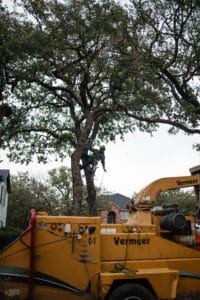
If interior cuts expose large wounds, or you find decay near major limbs, call a professional. A certified arborist can assess attachment strength and interior dieback before making cuts. They will avoid removing scaffolds that compromise tree structure during light shaping. For safety and tree health, complex crown work should not be a DIY task.
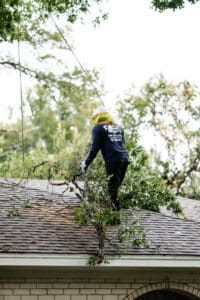
When slopes, roofs, or utilities sit under dense canopy, hire a pro to manage risk and access. Technicians use controlled climbing and rigging to remove interior stems safely around obstacles. They can also protect turf and landscape beds from falling debris during the operation. This reduces the chance of accidental property damage during interior light shaping.
If persistent interior regrowth or rapid epicormic shoots return after initial thinning, a professional will plan follow-up maintenance. The crew can implement staged light shaping sessions timed to the tree’s physiology to limit stress. They may combine small sequential removals instead of a single heavy cut to reduce shock. That approach maintains long-term openness without overcutting the crown.
Complex diagnoses that involve root competition, soil compaction, or chronic moisture retention benefit from a pro inspection. A technician will inspect root flare, check soil firmness, and possibly use a moisture meter to confirm underlying causes. Homeowners in Fort Worth, TX and Aledo, TX often need that combined assessment when shade problems persist. After diagnosis, a written plan with expected outcomes helps homeowners decide on scheduling.
Seasonal Timing And Long Term Prevention Strategies
Plan interior light shaping during the tree’s dormant or low-growth window to reduce stress and control regrowth timing. Seasonal timing reduces wound exposure to insects and fungal pressure while cuts heal. Staging small, scheduled sessions limits shock and lets a crew evaluate how turf responds. Professionals often recommend reassessing moisture and turf recovery between sessions before proceeding.
- Schedule cuts in late winter for many broadleaf trees.
- Avoid heavy interior pruning during active leaf-out.
- Plan follow-up touch-ups the next dormant season.
- Coordinate pruning with lawn aeration and overseeding.
Long-term prevention starts with matching pruning frequency to the species’ growth rate and the lawn’s light needs. A management plan includes seasonal checks for new epicormic shoots and low-hanging branches that recreate shade. Technicians pair pruning with soil work, aeration, or mulching to improve drainage and reduce lingering wet spots. For guidance on improving air movement through the crown, consult materials on canopy airflow boost.
Routine monitoring helps catch problems before turf decline occurs, and homeowners should note drying times and moss recurrence after rain. In Fort Worth, TX properties, timing trims to local growth cycles helps avoid peak pest periods. Aledo, TX yards benefit when pruning schedules align with lawn care tasks like fertilizing or aeration. When uncertainty exists about timing or tree response, contact a professional for a timed maintenance plan.
Homeowner Steps For Safe Interior Light Shaping
Begin with a visual walk-through of the yard noting specific shaded spots and where moisture lingers after rain. Take photos of those locations and record drying times over several days to show patterns. Use a moisture meter or probe to sample soil wetness in the worst and best spots for comparison. These observations help decide which interior stems to target without overcutting the crown.
Next, clear loose leaf litter and twigs from under the canopy to improve immediate evaporation and reveal low branches needing minor work. Wear eye protection, gloves, and a hard hat if working near falling debris for safety precautions. For any cuts above shoulder height or near structures, hire a pro to avoid falls and property damage. A professional approach uses techniques like those described in selective tree pruning for controlled interior removal.
If you plan small DIY interior cuts, limit pruning to thin stems under one inch in diameter and remove only a few per session. Make clean, angled cuts at branch collars to encourage healing and avoid leaving stubs that invite decay. After pruning, leave pruned material off the lawn to prevent smothering grass and remove wood chips that retain moisture near the trunk. Check the cut surfaces over weeks for excessive sap flow or signs of disease and contact a professional if concerns arise.
Schedule follow-up checks in the weeks after cuts to track turf drying and sun penetration improvements near problem spots. If new epicormic shoots appear aggressively, plan a staged maintenance session during the next dormant season to control regrowth safely. Homeowners in Fort Worth, TX and Aledo, TX often benefit from these small, monitored adjustments rather than a single heavy prune. When safety or tree structure concerns appear, call an arborist for an assessment and written next-step plan.
Frequently Asked Questions
What is interior light shaping and how does it help lawns?
Interior light shaping means selectively removing small branches inside a tree canopy to increase light penetration to the lawn. It focuses on thinning interior growth rather than topping or heavy crown reduction that stresses the tree. More light reduces damp shade, lowers moss and fungus risk, and helps turf green up and dry faster. Work near large limbs or high branches can be dangerous, so hire a qualified arborist for safe diagnosis and cuts.
Will interior light shaping harm my tree’s structure?
Properly done interior light shaping focuses on selective inner-canopy cuts that remove small crossing or crowded branches while preserving main scaffold limbs. When crews avoid large topping cuts and keep branch collars intact, they maintain structural integrity and natural branch distribution. However, careless pruning can create weak regrowth and decay, so exercise caution and avoid high-risk cuts near major limbs. If you doubt technique or face a large tree, contact a professional arborist to inspect and perform the work safely.
How do professionals diagnose damp shade problems?
A pro starts by walking the yard at different times to observe light patterns, damp spots, and turf thinning. They inspect tree crowns, inner-canopy density, and lower limbs to spot areas where interior light shaping could help. Technicians use a moisture meter and look for fungal signs, compaction, poor drainage, or clogged gutters as contributing factors. If work requires climbing or heavy pruning on large trees, caution is essential and you should hire a qualified arborist.
When should I schedule interior light shaping work?
Schedule interior light shaping in late winter or early spring before new leaf growth to maximize light gains for your lawn. If your turf shows moss, thin growth, or persistent damp shade, act sooner to prevent fungal issues. Avoid work during active storms or high winds for safety, and hire a professional for canopy cuts near power lines or steep slopes. A trained arborist will inspect the inner canopy, plan selective cuts, and reduce risk to trees and property.
What turf signs indicate interior light shaping is needed?
Patchy grass, moss growth, and persistent damp spots under the canopy often signal too little light for healthy turf. Grass blades that grow long and pale between trees show shade stress and reduced photosynthesis. Mushrooms, slippery thatch, or lingering wetness indicate poor airflow and weakened turf health, exercise caution and avoid unsafe pruning. A pro can inspect canopy gaps, measure light levels, and recommend targeted interior light shaping to help turf recovery.